Water Main Diversions: Method Statement Made Clear
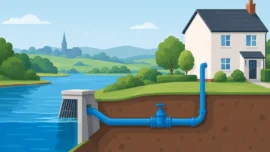
A water main diversion usually lands on your desk when the job has to keep moving – an extension is going in, a driveway is being rebuilt, a new service needs a clear route, or a developer has found the existing main sits exactly where the foundations now need to be. The method statement is what turns that pressure into a controlled, safe piece of work that protects customers’ supply, reduces disruption, and keeps the site compliant.
This article sets out what a practical water main diversion method statement typically includes on UK domestic and commercial projects, and why each section matters. It is written for homeowners and landlords who want plain-English clarity, and for facilities teams who need confidence that the contractor has thought through isolation, hygiene, testing and reinstatement.
What a water main diversion method statement is (and who needs it)
A water main diversion method statement is a written, job-specific plan explaining how an existing water main will be diverted from its current alignment to a new one. It is not just a generic risk document. Done properly, it ties together permissions, temporary supply, excavation or trenchless techniques, connection details, disinfection and pressure testing, and the standard of reinstatement.
You will most often need one where the works affect the public water network, a shared private supply, or any area where third parties could be impacted. Commercial sites typically require it as part of pre-start packs. On domestic projects, you might not call it a method statement, but the same controls still apply – especially if a diversion runs under a highway, footpath, or shared access.
Early-stage checks that make or break the programme
Most disruption on diversion jobs comes from assumptions made too early. The method statement should start with the pre-construction checks that reduce surprises.
The first is confirming ownership and responsibility. Some pipework is the water company’s asset, some is private, and some is shared. That affects permissions, inspection requirements and who is allowed to connect.
Next is locating and proving the existing main. Plans help, but they are not proof. A good method statement will reference locating using utility drawings, site walkovers and detection equipment, then confirming position and depth with trial holes where needed. Trial holes are also where you find the awkward realities – shallow services, poor ground, or a main that has drifted from plan.
Finally, the statement should confirm the diversion route and constraints. That includes minimum cover, separation distances from other services, access for future maintenance, and how reinstatement will be handled in block paving, tarmac, concrete, landscaped areas or internal slabs.
Permits, approvals and notifications
Diversions sit in a compliance-heavy corner of civil work. Your method statement should spell out what approvals are needed, by whom, and in what order.
If the diversion affects a water undertaker’s main or requires a connection to the network, the correct approval route and competent, approved installers matter. For highways and public footpaths, permits and traffic management requirements may apply. On commercial premises, you may also need site permits to dig, hot works permits for any cutting operations, and client sign-off for working hours.
Notifications are just as important as paperwork. Where customers’ supply could be interrupted, the method statement should cover planned outage communications, expected durations, and what will be done if the isolation does not hold or the job runs long.
Safety and hygiene controls (why water work is different)
Water is not like drainage. You can’t treat it as “just another pipe” because the end product is drinking water.
A competent method statement will set out controls for safe digging and safe water hygiene in the same breath. That includes service avoidance, edge protection around open excavations, safe access and egress, and managing spoil and plant movements – but it also covers clean handling of fittings, keeping open pipe ends capped, and preventing contamination from ground water, silt, or site debris.
Where disinfection is required, it should be stated clearly, along with the process and record keeping. Even when a job is on a private supply, good practice is to treat the final pipework as potable and keep it clean from start to finish.
Isolation and maintaining supply
Isolation is the point where a diversion can either feel slick or turn into a long day for everyone involved.
A sound method statement identifies the isolation point(s), the type and condition of valves, and how they will be operated safely. It should also cover verification – checking that the isolation actually holds before cutting. On some sites, you may need to freeze the main or install temporary line stops, but that depends on pipe material, diameter, and the risk profile.
Where a shutdown will affect occupied buildings, the method statement should state whether a temporary supply will be provided and how. For example, commercial premises with welfare needs may require a temporary arrangement, and residential blocks may need careful scheduling to minimise inconvenience.
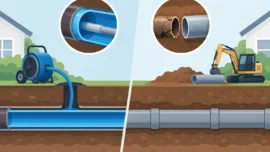
Choosing the diversion method: open-cut vs trenchless
This is where “it depends” genuinely applies. Your method statement should justify the chosen method rather than simply naming it.
Open-cut excavation is straightforward and often cost-effective when the route is short and reinstatement is simple. It also makes pipe laying and bedding very controlled. The trade-off is disruption – particularly in driveways, landscaped front gardens, or areas with finished surfaces.
Trenchless methods, such as impact moling or horizontal directional drilling (HDD), can reduce surface damage dramatically. They are often the right choice for diversions under paths, roads, or established gardens where the customer wants the least disruption. The trade-off is that trenchless requires suitable ground conditions, careful launch and reception pit planning, and experienced operatives to control line and level.
The method statement should describe how the route will be set out, what pits will be needed, and how the contractor will protect existing services during the bore. It should also specify the pipe material and size, and how it will be installed to meet required cover and separation.
Pipework installation details that should be written down
Diversion jobs go wrong when key details live only in someone’s head. The method statement should set out, in plain terms, what will be installed and how.
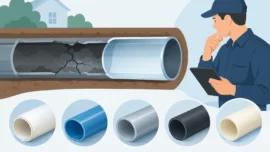
That includes pipe specification (material, diameter, pressure rating), fittings, valves, and any chambers or marker tape required. It should cover bedding and backfill requirements for excavated sections, and how entry pits will be formed and made safe.
Connection details matter. The statement should describe how the new section will be tied into the existing main, what cutting method will be used, and how the connection will be kept clean. If a new stop tap or boundary box is part of the works, its location should be described with future access in mind.
It should also state how redundant pipework will be dealt with. Sometimes it is removed; often it is capped and left in place if removal would cause unnecessary disturbance. The key is documenting it so there is no confusion later.
Testing, disinfection and commissioning
A diversion is not finished when the pipe is in the ground. The method statement should include the commissioning sequence.
Pressure testing verifies integrity before the excavation is closed up. The statement should note the test pressure, duration, and what constitutes a pass or fail, along with what happens if a failure occurs.
Disinfection and flushing should be included where required by the project scope and asset owner. The method statement should explain how the pipe will be flushed until clear, how disinfection will be carried out if specified, and how water quality will be protected during recharging.
Commissioning should include a controlled reintroduction of supply, checking for leaks, confirming valves are in the correct position, and ensuring affected properties have water back on with no airlocks where reasonably practicable.
Reinstatement: what “tidy” actually means
For most homeowners and property managers, reinstatement is the part you remember. A method statement should set a clear expectation of what will be reinstated and to what standard.
In soft ground, that means appropriate backfill, compaction and making good of turf or topsoil. In paved or tarmac areas, it means reinstatement that matches levels, avoids trip edges, and is built to withstand traffic where applicable. If the works are in the public highway or footway, the statement should address compliance with the relevant reinstatement requirements and inspections.
Just as important is site conduct. A good method statement will cover spoil management, protecting adjacent finishes, keeping access routes usable where possible, and leaving the site clean at the end of each shift.
Handover information and records
A professional diversion ends with paperwork that helps the next person. The method statement should include what will be handed over: as-built notes or sketches, test results, photos of key stages if required, and details of any capped sections left in place.
For commercial sites, facilities teams often need valve locations, isolation points, and any changes that affect planned maintenance. For landlords, it is often about having a clear record for future works and avoiding disputes about what was installed.
What to look for when you receive a water main diversion method statement
If you are reviewing a water main diversion method statement from a contractor, you are not looking for fancy wording. You are looking for evidence they understand your site.
It should reference the actual location, the route, the likely constraints, and the plan for keeping disruption down. It should also show competence in potable water hygiene, include a sensible isolation plan, and set out testing and reinstatement clearly. If it reads like a copy-and-paste document with no site specifics, it is worth challenging before work starts.
If you need a diversion planned around finished surfaces, tight access, or occupied buildings, choose a contractor that can offer both open-cut and trenchless options and explain the trade-offs. Watermains & Drains UK regularly delivers diversions alongside supply pipe replacements using low-disruption methods, backed by WIAPS and Watersafe approvals, £10m public liability insurance, and a 25-year workmanship guarantee – the kind of assurances that matter when the pipe you are moving is the one everyone relies on.
The best method statement is the one you barely notice on the day because the water stays on when it should, the digging is controlled, and the reinstatement looks like the job was never there.