Guide to Water Supply Diversions for UK Properties
A new extension, driveway, commercial unit or drainage run can quickly become complicated when a live water pipe sits in the way. This guide to water supply diversions explains what is involved in moving a supply pipe safely, who may need to approve the work, and how modern installation methods can keep disruption to a minimum.
For homeowners, landlords and property managers, the priority is usually straightforward: protect the water supply, avoid unnecessary excavation and leave the site clean and usable. The right solution depends on where the pipe runs, who owns it and what is being built around it.
What is a water supply diversion?
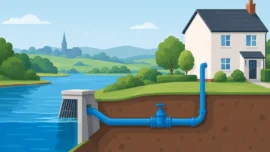
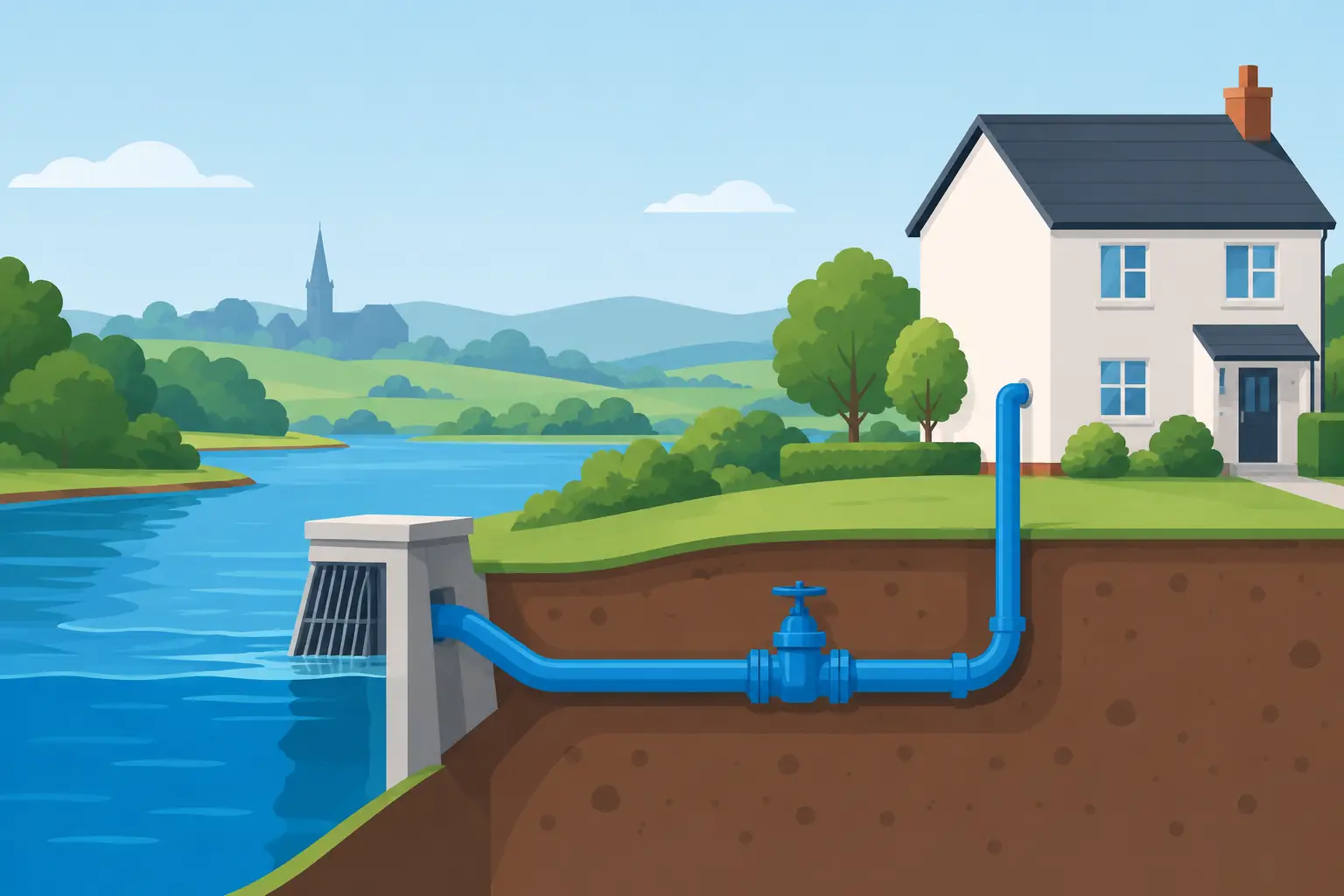
A water supply diversion is the planned relocation of an existing water pipe so that it no longer conflicts with construction work, access routes or a property boundary. The pipe may serve one house, several properties or a commercial building. It could be a private supply pipe within your land, or an asset connected to the local water company network.
Diversions are commonly needed before building an extension, constructing a garage, installing foundations, altering a driveway, creating new parking areas or redeveloping commercial land. They can also be necessary where an old supply route is leaking, too shallow, made from unsuitable material, or impossible to access for future repair.
A diversion is not always the same as a simple water pipe replacement. If the existing pipe can remain in place and a new private supply is installed on a better route, the work may be treated as a replacement or upgrade. Where a water company-owned main is affected, the process is usually more formal and requires the relevant approvals before work starts.
Why water pipes should not be built over
Building over or too close to a water pipe can create expensive problems later. If the pipe leaks, bursts or needs renewal, the repair team may have no practical way to reach it without disturbing the new structure. A pipe beneath foundations, a conservatory slab or a permanent paved finish can turn a manageable repair into major reinstatement work.
There is also a risk of damage during construction. Excavation, compaction, piling and foundation works can crack or displace a pipe, particularly older services and lead supply pipes. Even where water continues to run after the work is finished, a weakened joint may fail months later.
For commercial sites, the consequences can be wider. Loss of supply may affect tenants, staff welfare, kitchens, washrooms, production areas or fire-related systems. Planning the diversion before works begin helps avoid unplanned shutdowns and delays once contractors are already on site.
First establish what pipe you are dealing with
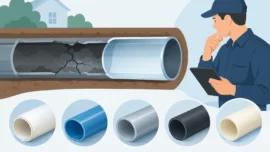
The most useful first step is a site assessment. Before choosing a route or method, a specialist needs to establish the pipe material, depth, size, direction of travel and the point where it connects to the public network or internal plumbing.
Ownership matters. In broad terms, the local water company is generally responsible for its public mains, while property owners are responsible for private pipework serving their premises. However, shared supplies, historic layouts and pipes crossing neighbouring land can make the position less obvious. A survey and records check can prevent assumptions that lead to aborted work or additional cost.
On older homes, especially where the incoming supply has never been upgraded, the diversion may reveal a lead pipe. In that situation, installing a new approved supply pipe can be the sensible long-term answer rather than moving ageing material to another location. It improves reliability while removing a known concern from the route of the proposed works.
Questions a survey should answer
A proper assessment should identify whether the pipe is live, where it serves, and whether there are valves or meters that will affect the work. It should also consider underground obstacles such as drains, electric cables, gas services and telecoms ducts.
The survey should then confirm whether there is enough space for a new route with suitable access for installation and future maintenance. On a tight urban plot, a route along a boundary or beneath a landscaped area may be preferable to one crossing the centre of a driveway.
Approvals and compliance for water supply diversions
If a proposed build affects a public water main or other water company apparatus, contact with the relevant water company is normally required. It may require a build-over agreement, a diversion agreement or a formally approved design. Do not assume that a pipe is private simply because it is within your boundary.
For private supply work, the new installation still needs to meet the applicable requirements for pipe material, depth, protection, connections and hygiene. Work on drinking water supplies should be completed by competent, approved contractors who understand the required standards and notification process.
A WIAPS or Watersafe-accredited contractor provides useful reassurance for property owners and facilities teams. These schemes demonstrate that the installer is assessed for work affecting wholesome water. For a managed site, it also helps when records, method statements and clear completion information are needed for compliance files.
Approval times vary. A straightforward private diversion can often be planned quickly once the route is agreed. Water company involvement, highway permits, traffic management or a diversion affecting multiple properties may take longer. Bringing in a specialist during the design stage is usually far less disruptive than finding the pipe after foundations have been marked out.
Choosing the right installation method
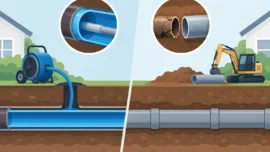
Traditional excavation remains the right choice in some situations. It gives direct access where a pipe is shallow, a connection needs to be exposed, or ground conditions make trenchless installation unsuitable. It can also be cost effective where the route runs through open soil with no valuable finishes to protect.
However, opening a long trench across block paving, tarmac, lawns or a finished commercial forecourt can add time and reinstatement cost. It may also restrict vehicle access and create avoidable mess around an occupied home or business.
Trenchless moling
Impact moling creates a narrow underground bore between small launch and reception holes. A new water pipe can then be installed beneath gardens, paths and driveways without excavating the whole route. For many domestic diversions, this is a fast, cost-effective option with far less surface disruption than open trenching.
Moling works best where there is a clear route and suitable ground. It may not be appropriate around congested underground services, large tree roots, difficult ground or where the exact route cannot be safely controlled. A site survey is the only sensible way to decide.
Horizontal directional drilling
Horizontal directional drilling, often called HDD, offers greater control for longer or more complex routes. It can be particularly useful for commercial sites, roads, access areas and locations where the new pipe needs to pass beneath an obstacle without disturbing the surface.
HDD is not automatically the best answer for every job. It involves specialist plant, planning and setup space, so a short, simple domestic route may be better suited to moling or a small excavation. The value lies in avoiding major reinstatement, access restrictions and downtime where the site conditions justify it.
The usual water diversion process
Once the route and approvals are clear, the work should follow an organised sequence. The existing service is located and the new route is marked. Any necessary excavations or launch pits are prepared, with care taken around known services.
The new pipe is then installed by trenchless or open-cut methods, connected using suitable fittings and pressure tested before being put into service. Where required, the pipe is flushed and disinfected. The old section can be disconnected or safely abandoned once the new supply is proven.
Good reinstatement matters as much as the pipework beneath it. A professional contractor should leave excavated areas tidy and reinstate surfaces to an agreed standard. On driveways, patios and landscaped areas, discussing the finish before work begins avoids confusion over materials, colours and joint lines.
For occupied properties, the contractor should also plan any interruption carefully. A short shutdown is often needed to make the final connection, but it should be scheduled, communicated clearly and kept as brief as possible. Businesses may prefer this work outside trading hours where practical.
What affects the cost of diverting a water supply?
There is no reliable one-price answer because the cost is driven by the site rather than pipe length alone. A short diversion beneath an open garden is very different from moving a service under a block-paved driveway beside several existing utilities.
The main cost factors are the route length, pipe depth and diameter, ground conditions, access for equipment, number of connections, surface reinstatement and whether water company approvals are required. Shared services, traffic management and restricted working hours can also affect the programme and quotation.
The cheapest quote is not always the most cost-effective route. A contractor who proposes extensive digging may appear less expensive at first, but the full cost can increase once paving, landscaping, access loss and repair time are considered. Equally, trenchless work should not be specified simply because it is less disruptive. It needs to be technically suitable for the ground and service layout.
Avoiding common diversion mistakes
The most common error is leaving the investigation until construction is ready to start. At that stage, changes to the foundation design, driveway layout or programme can be costly. Arrange a survey as soon as plans identify a possible conflict with a water pipe.
Another mistake is relying on visible stop taps or old property plans as proof of the pipe route. Underground services often differ from historic drawings, particularly on altered or extended properties. Detection, trial holes where necessary and experienced judgement provide a safer basis for decisions.
Finally, avoid treating a diversion as purely an excavation job. It is drinking-water work, often close to other buried services, and it needs correct materials, safe connection practices and proper testing. Watermains & Drains UK can assess the route, explain the practical options and provide a clear quotation for a diversion designed around your property.
If you are planning an extension, driveway or redevelopment, arrange the water supply assessment before the groundworks begin. A well-planned diversion protects the new build, keeps future repairs accessible and gives you the best chance of completing the project without unnecessary disruption.