Insurance Drain Damage Claims Explained
A blocked toilet is unpleasant. A collapsed drain under a driveway is expensive. The real difficulty often starts when you try to work out whether insurance drain damage claims will actually be accepted, what evidence is needed, and who should carry out the repair.
For homeowners, landlords and property managers, this is where delays can creep in. The insurer wants proof of cause, scope and necessity. You want the problem fixed quickly, without unnecessary excavation or a second round of disruption when the site is reinstated. Getting both right matters.
How insurance drain damage claims usually work
Most insurance drain damage claims turn on one basic question – is the issue sudden damage, or is it wear and tear? Insurers are generally more willing to consider collapse, cracking, impact damage or root ingress that has caused a clear failure. They are far less likely to pay for long-term deterioration, poor maintenance or a drain that has simply reached the end of its service life.
That distinction catches people out. A drain can be unusable, backing up wastewater and causing disruption, but if the insurer sees the problem as gradual deterioration rather than insured damage, the claim may be reduced or declined. That is why evidence matters from the outset.
In practice, the process often begins with an incident – repeated blockages, foul odours, sinking ground, internal flooding, or a CCTV survey that reveals a fracture or collapse. The insurer may ask for a formal diagnosis before approving repairs. In some cases they appoint their own loss adjuster or drainage contractor. In others, they will ask the policyholder to obtain reports and quotations.
What insurers normally want to see
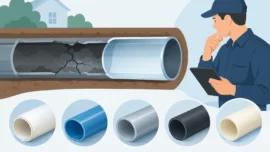
A clear, professional record of the defect is one of the strongest parts of any claim. That usually means CCTV footage, still images, drain mapping where relevant, and a written report that explains exactly what has failed and why the proposed repair is appropriate.
This is not just box-ticking. If the report is vague, the insurer may challenge whether the repair is necessary, whether the damage is localised, or whether a less invasive solution would have been enough. If the evidence is precise, decisions are usually easier.
A useful report will typically identify the pipe material, depth, location and nature of the defect. It should also explain whether the problem can be repaired with a patch lining or localised no-dig method, or whether excavation is unavoidable. That level of detail helps insurers assess both liability and cost.
Insurance drain damage claims and the question of maintenance
One of the most common sticking points in insurance drain damage claims is maintenance. Insurers do not usually want to fund issues they believe should have been prevented through routine upkeep.
For example, a simple blockage caused by wipes, grease or misuse is unlikely to be treated the same way as a cracked pipe caused by ground movement or root penetration. Likewise, if there has been a history of recurring problems and no investigation was carried out, the insurer may argue that the damage developed over time without reasonable action.
That does not mean every root ingress or displaced joint will be excluded. It depends on the policy wording, the age of the drain, the cause of failure and the evidence available. Older properties often have legacy drainage systems that were never built to modern standards. Some insurers recognise that. Others take a stricter view.
Why the survey stage matters more than people expect
When a drain problem is urgent, it is tempting to focus only on restoring flow. Sometimes that is the right first step, especially where wastewater is affecting the property. But if the wider issue is structural damage, a proper survey soon after clearance can make the difference between a straightforward claim and a disputed one.
A CCTV drain survey creates a record before conditions change. Once a pipe has been cleaned, temporarily stabilised or partly excavated, some of the original evidence can be harder to present clearly. For landlords and commercial property managers, that timeline is even more important because there may be tenant complaints, health concerns or business interruption running alongside the claim.
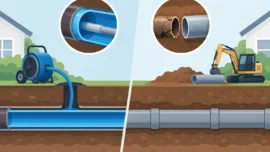
A well-handled survey also avoids over-specifying the solution. Not every damaged drain needs full excavation. In many cases, patch lining or another trenchless repair can restore the pipe with far less disruption to paving, lawns and access routes. That is often good for the property owner and good for the insurer, because reinstatement costs can be reduced.
Repair methods and why they affect the claim
Insurers do not just look at whether damage exists. They also look at whether the proposed repair is proportionate. If a localised defect can be repaired without digging up an entire driveway, that may be the preferred route.
This is where specialist drainage contractors make a practical difference. A contractor experienced in both investigation and repair can explain whether the defect is suitable for no-dig repair, whether access is possible, and where excavation is genuinely required. That keeps the scope aligned to the actual problem rather than an overly broad estimate.
For customers, the benefit is obvious. Less digging usually means less mess, faster completion and lower reinstatement risk. For insurers, it can support a more cost-effective claim. Of course, trenchless methods are not suitable in every situation. A badly collapsed pipe, major deformation, failed connections or severe access limitations may still require excavation. The point is not that one method is always better, but that the repair should match the defect.
Common reasons claims are delayed or challenged
Delay often comes from uncertainty rather than outright refusal. The insurer may not be convinced about the cause, the location of the damaged section, or whether the policy actually covers external drainage beyond the building.
Policy wording matters here. Some buildings policies include underground services, while others are more limited or attach conditions. There may also be excesses, exclusions for accidental damage, or separate treatment for trace and access costs. Many customers assume all drain issues are covered, then find the policy is narrower than expected.
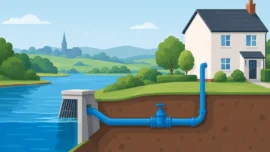
Another common issue is ownership. Shared drains, lateral drains and connections outside the property boundary can complicate responsibility. In some cases the water company may be responsible for certain sections, rather than the policyholder. Before major works begin, it is worth confirming exactly which part of the system serves the property and who owns it.
What property owners can do to strengthen a claim
The strongest claims are usually the clearest ones. Report the issue promptly, keep a record of symptoms, and arrange a professional survey if the insurer asks for supporting evidence or if structural damage is suspected.
Photos of surface signs can help, but they are rarely enough on their own. A proper drainage report carries more weight because it links the visible problem to a specific defect underground. It also gives the insurer a practical basis for approving the repair method.
It is also sensible to keep invoices for emergency attendance, clearance work and temporary measures. Even where the main repair is still under review, those costs may be relevant to the claim depending on the policy and circumstances.
For landlords and managing agents, communication matters just as much as evidence. If tenants are affected, document the timeline, access arrangements and any health-related concerns. That creates a clearer record if the insurer, adjuster or contractor needs to understand urgency and impact.
Choosing the right contractor for insurance drain damage claims
Not every drainage contractor is set up for insurance-related work. The insurer may need a clear report, accurate footage, method statements, itemised costs and a repair proposal that can stand up to scrutiny. A general unblocking service may solve the immediate symptom without providing what the claim actually needs.
A specialist contractor is better placed to diagnose the fault properly, set out repair options and complete the work with controlled disruption. That matters even more when drains run beneath finished surfaces such as block paving, tarmac, flagged paths or landscaped gardens. Poor planning at the repair stage can leave the property owner dealing with avoidable reinstatement problems afterwards.
For that reason, many customers prefer a contractor who can investigate, repair and reinstate as one package. Watermains & Drains UK works in exactly that practical, problem-solving way, with CCTV surveys, drainage repairs and trenchless methods designed to reduce mess and keep projects moving.
When a fast repair matters more than a perfect paperwork trail
There are situations where immediate action has to come first. If foul water is entering the property, toilets are unusable, or a commercial site cannot operate safely, emergency attendance is the priority. No insurer expects a homeowner or facilities manager to let damage worsen while waiting for paperwork.
The key is to make sure emergency work is documented properly. Temporary works, blockage clearance and urgent attendance should still be recorded, with follow-on investigation arranged as soon as possible. That way, speed and evidence do not have to work against each other.
Drain problems are stressful because they are hidden until they are not. Once they surface, decisions need to be made quickly, but not blindly. The best approach is usually simple: confirm the cause, document it clearly, and choose a repair method that solves the fault with the least disruption practical for the site.