Drain Survey: When You Need One
A drain survey is often the quickest way to stop guessing. If drains are backing up, a toilet is slow to clear, foul smells keep returning or a property purchase has raised questions about underground pipework, a camera inspection gives you evidence instead of assumptions. That matters because the right fix depends on what is actually happening below ground – not what it looks like from the surface.
For homeowners, landlords and property managers, the value is simple. A survey can confirm whether the issue is a basic blockage, a displaced joint, root ingress, cracked pipework or a collapsed section that needs repair. It can also help establish where the problem sits, who may be responsible for it, and which repair method will cause the least disruption.
What a drain survey actually involves
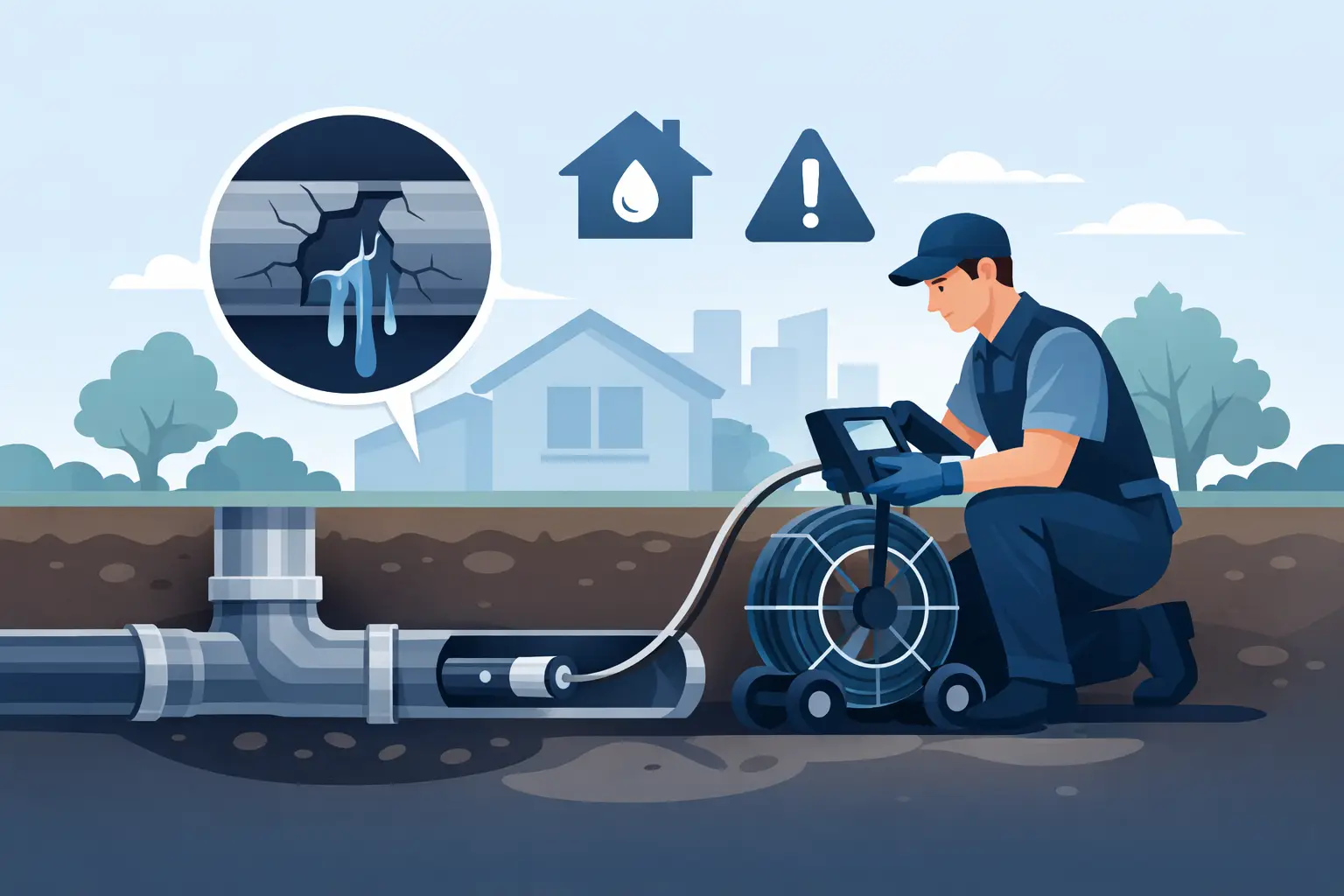
In most cases, a CCTV drain survey is carried out by feeding a specialist camera through the drainage system from an access point such as a manhole or rodding eye. The camera records the internal condition of the pipe and allows the engineer to track defects, standing water, scale build-up, debris, connection points and changes in direction.
This is not a rough look into a chamber with a torch. A proper survey is designed to trace the line of the drain, inspect the condition of the pipe and identify defects accurately enough to support repair recommendations. On some jobs, that may also include locating equipment above ground so the exact position and depth of a problem can be marked before any repair work starts.
The benefit is not just diagnosis. It is being able to plan the next step properly. If the pipe can be cleared and left in service, that is the sensible outcome. If it needs patch lining, excavation or replacement, the survey helps avoid unnecessary work and gives a clearer basis for quotation.
When a drain survey makes sense
Some situations clearly justify a survey. Repeated blockages are one of the main ones. If a drain blocks once because of wipes, grease or an isolated build-up, clearing it may be enough. If it keeps happening, there is usually an underlying defect or a section of pipe that is holding waste instead of carrying it away properly.
A drain survey is also useful when a smell persists but no obvious blockage can be found, when external gullies overflow in wet weather, or when damp and contamination suggest leaking below-ground drainage. In rental or commercial settings, it can help landlords and facilities teams move quickly from complaint to evidence-backed action.
Property purchases are another common reason. If a homebuyer report raises concerns about drainage, or the building is older and its below-ground layout is unclear, a survey can reduce uncertainty before contracts are exchanged. That is particularly relevant where extensions, altered drainage runs or historic repairs may not have been documented well.
Insurance-related claims can also depend on proper reporting. Where subsidence, escape of water, drain collapse or root ingress is suspected, a recorded survey can provide the detail needed to support the next stage of investigation and repair.
What a drain survey can find
The obvious problems are blockages and build-ups, but those are only part of the picture. A survey can show cracked pipes, displaced joints, open joints, deformed sections, root ingress, scale, corrosion and partial collapse. It can also reveal poor falls, where waste is not flowing away with the right gradient, leading to recurring retention and blockage.
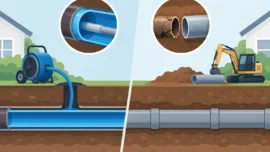
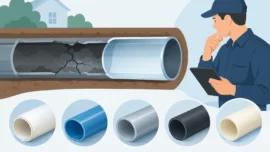
In older systems, it is not unusual to find redundant connections, patch repairs from different periods or sections of pipe made from different materials. Those details matter because the repair approach will vary. A localised defect in an otherwise sound line may suit a no-dig repair such as patch lining. A fully failed run may need excavation and replacement. The survey helps separate those two scenarios.
There are limits, though. A camera can only inspect where it can physically travel and where conditions allow a clear view. Heavy debris, full bore blockages or flooded sections may need cleaning first. That is why drain clearing and surveying often go hand in hand.
Drain survey before buying a property
For buyers, the question is usually whether the cost is worth it. That depends on the age of the property, the signs already present and your tolerance for risk. If there are no drainage concerns, no signs of historic movement and no surveyor comments, you may decide not to investigate further. If there are repeated signs of drainage trouble, an extension over drains, or evidence of previous groundworks, more detail is often worthwhile.
A pre-purchase drain survey can flag issues that would be expensive to discover after completion. It may also highlight that the system is largely serviceable, which gives reassurance rather than bad news. Either result has value if it helps you make a decision with open eyes.
For landlords and portfolio buyers, this can be especially useful. Drainage defects do not stay still. A manageable issue at purchase stage can become an emergency call-out, tenant complaint or insurance matter later if left unchecked.
What happens after the survey
The best outcome is clarity. Sometimes the next step is straightforward drain cleaning. Sometimes a repair is recommended, but only to one section rather than the whole line. In other cases, the survey identifies a larger problem that needs planned works.
A good contractor should explain the findings in plain terms. You should know where the defect is, how serious it is, whether it is affecting function now, and what repair options are available. You should also understand the trade-off between a lower-cost short-term fix and a more permanent solution.
For example, patch lining can be a fast, cost-effective option where the pipe structure is largely sound and the defect is local. Excavation may still be the right answer where collapse is severe, access is poor or the pipe condition is too far gone for rehabilitation. It depends on the condition of the drain, the depth, the surface above it and the need to keep disruption down.
Choosing a contractor for a drain survey
Not all surveys are equal. If you are commissioning a drain survey because you need answers, the key is using a specialist contractor who can inspect, interpret and, if needed, carry out the repair work properly. That is particularly important where commercial sites, shared drainage, reinstatement-sensitive areas or insurance reporting are involved.
Look for a contractor that can explain findings clearly, provide a proper report where required, and offer practical repair options rather than defaulting to excavation. Modern no-dig methods can make a significant difference where driveways, landscaped areas or access routes need to be protected.
Accreditations, insurance cover and workmanship guarantees also matter. For homeowners, they reduce risk. For landlords, managing agents and commercial clients, they support compliance and contractor due diligence. A low quote for a survey is not much use if the reporting is vague or the follow-on advice is unreliable.
Watermains & Drains UK works with homeowners, landlords and commercial clients who need clear answers, fast attendance and repair options that keep disruption to a minimum. In many cases, that means combining CCTV investigation with targeted repair planning rather than treating every drainage issue as a full excavation job.
Drain survey costs and expectations
People often ask what a survey will cost, but the better question is what you need it to achieve. A basic inspection for a recurring blockage is different from a pre-purchase survey or a commercial investigation requiring more formal reporting. Access, pipe length, site conditions and whether cleaning is needed first will all affect the scope.
The cheapest option is not always the most useful. If the issue is intermittent and the report does not properly identify the cause, you may still be left paying for repeat visits and further investigation. Clear evidence and a sensible repair plan usually provide better value than a low initial figure.
If you are arranging a survey, it helps to share the symptoms in advance – when the problem happens, which fittings are affected, whether there has been previous repair work, and whether there are plans or site information available. That allows the contractor to arrive prepared and makes the visit more productive.
A drain survey is not about turning every drainage problem into a major project. It is about finding the fault, understanding the condition of the system and choosing the least disruptive fix that will actually last. When underground pipework is involved, certainty is worth a great deal.