Drain Unblocking: What Actually Works
A blocked drain rarely starts as a dramatic problem. More often, it begins with a slow kitchen sink, a shower tray that takes too long to empty, or an outside gully that backs up after rain. By the time you are searching for drain unblocking, the issue has usually moved beyond a minor nuisance and into something that risks smells, hygiene problems, water damage, or disruption to tenants, staff, or daily life.
The right response depends on where the blockage sits, what is causing it, and whether it is a one-off obstruction or a sign of a wider defect in the drainage system. That is why quick fixes sometimes work and sometimes simply delay a more expensive problem.
When drain unblocking is simple – and when it is not
Some blockages are local and straightforward. Hair in a bathroom waste, grease build-up near a kitchen trap, or debris caught in an easily reached gully can often be cleared without major work. In those cases, the priority is getting flow restored quickly and cleanly.
The picture changes when several fixtures are affected at once, toilets are rising instead of draining, or foul water is appearing outside. Those signs often point to a blockage further down the line, potentially in the underground pipework rather than at the fixture itself. For landlords and commercial property managers, that difference matters because a local blockage may be a maintenance issue, while a line blockage can affect multiple users and create a more urgent health and operational concern.
There is also the question of recurrence. If the same drain keeps blocking, the problem is not always what is being put down it now. It may be a collapsed section, poor gradient, root ingress, displaced joints, or scale and debris catching inside an older pipe. In those cases, drain unblocking on its own restores service, but it does not solve the reason the blockage formed.
What usually causes blocked drains
In domestic properties, the most common causes are grease, food waste, wipes, sanitary products, soap residue, and hair. Outside, leaves, silt, and surface debris often build up in gullies and channels, especially after heavy weather. In older drainage systems, the pipe itself may be part of the problem.
Commercial settings add a few more variables. Higher usage means faster build-up. Shared facilities increase the chance of unsuitable items entering the system. Restaurants, care settings, offices, schools, and mixed-use buildings all place different demands on drainage, and that affects both how often blockages happen and how they should be managed.
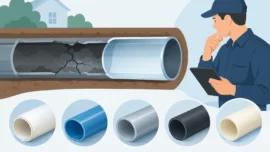
Tree roots are another common cause, particularly in older clay pipework. Roots do not need a large opening. A small crack or joint defect can be enough for them to enter, expand, and trap waste over time. If that is what is happening, clearing the line may bring temporary relief, but the defect itself still needs attention.
What you can try first
If the blockage is isolated to one sink or basin and there is no sign of sewage backing up elsewhere, a few basic checks are reasonable. Cleaning the trap, removing visible debris, or using a plunger can sometimes clear a minor obstruction. For an outside gully, lifting surface debris and checking for obvious blockage near the top may help.
What is less helpful is guessing too long. Chemical drain cleaners can be harsh on pipework and are often ineffective against more stubborn blockages, especially if the obstruction sits deeper in the line. They can also create a safety issue for whoever has to work on the drain afterwards. Improvised rodding without knowing the line layout can push debris further in or damage fittings.
If water levels are rising, multiple outlets are affected, bad odours are increasing, or wastewater is escaping externally, it is time to stop treating it as a DIY job. At that point, speed matters, but so does using the right method.
Professional drain unblocking methods
A specialist contractor will usually start by identifying whether the issue is likely to be a local obstruction, a downstream line blockage, or a symptom of pipe damage. That affects the equipment used and whether further investigation is needed.
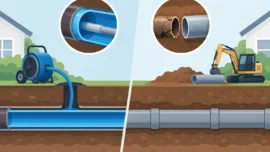
Manual rodding still has its place for certain blockages, but high-pressure water jetting is often the more effective option for clearing built-up waste, grease, scale, and silt from inside the pipe. It does more than punch a hole through the blockage – it cleans the line more thoroughly, which reduces the chance of an immediate repeat.
Where the history suggests a defect, or if the blockage returns, a CCTV drain survey is often the sensible next step. This is particularly useful for landlords, property managers, and commercial operators who need clarity before authorising repairs. A camera survey can show whether the problem is caused by roots, a crack, a collapse, poor alignment, or a build-up point created by the pipe condition itself.
That matters because the best solution is not always excavation. In many cases, localised repairs such as patch lining can resolve a defect with far less disruption than traditional digging. For occupied homes, rental properties, and commercial sites where access and reinstatement matter, that can make a significant difference to cost, programme, and inconvenience.
Why repeated blockages should not be ignored
A drain that blocks once may simply have been misused. A drain that blocks every few months is telling you something. Repeated drain unblocking can become an expensive cycle if no one checks why waste keeps catching in the same place.
For homeowners, this often means living with recurring smells, slow drainage, and emergency call-outs that could have been avoided. For landlords, there is the added risk of tenant complaints, damage claims, and pressure to restore facilities quickly. In commercial buildings, repeated drainage issues can affect customer areas, welfare facilities, and compliance responsibilities.
There is also a structural risk. A small defect left unaddressed can worsen over time, especially if ground movement, root growth, or continued surcharge is involved. Acting early usually gives you more repair options, and cleaner ones too.
Choosing the right contractor for drain unblocking
Not all drainage work is equal. A simple blockage might be cleared by a general tradesperson, but where the issue may involve underground drainage, recurring faults, or repair recommendations, it makes sense to use a specialist contractor.
What you are looking for is not just attendance speed. You want a team that can clear the problem, explain the likely cause in plain terms, and advise honestly on whether any further work is actually needed. If a repair is required, method matters. Contractors with CCTV capability and no-dig repair options can often keep disruption to a minimum, which is particularly important where driveways, gardens, paved areas, or business access are involved.
For commercial clients and insurance-related work, assurances count as well. Clear quoting, proper documentation, suitable insurance cover, and a professional approach on site are not extras. They are part of reliable delivery.
This is where specialist firms such as Watermains & Drains UK tend to offer a practical advantage. The benefit is not only emergency response, but the ability to move from blockage clearance to survey and repair, using methods that reduce excavation where possible.
Preventing the next blockage
Good drain care is usually less about products and more about habits. In kitchens, avoid pouring fats and oils down the sink, even when hot. In bathrooms, hair traps and regular cleaning make a noticeable difference. Wipes, cotton buds, and sanitary items should never go into the drainage system, even if packaging suggests otherwise.
Outside, keep gullies clear of leaves and surface debris, especially in autumn and after storms. If you manage a rental or commercial property, planned maintenance can be worthwhile where usage is heavy or the drainage system has a known history of issues. Prevention is rarely perfect, but it is often cheaper than repeated reactive visits.
Older properties deserve a bit more attention. If the drainage layout is unclear, if there have been previous repairs, or if the system has a history of slow flow and recurring blockages, a survey can be a sensible investment. It gives you evidence rather than guesswork.
A practical way to look at the problem
The most effective approach to drain unblocking is to treat it as more than a blockage if the signs suggest something deeper. Clearing the immediate issue is only part of the job. The real value comes from knowing whether the drain is now sound, or whether it is likely to fail again.
If the problem is minor, a prompt clean clearance may be all that is needed. If it is recurring, affecting multiple outlets, or linked to damaged pipework, a specialist response will usually save time and disruption in the long run. The best outcome is not simply getting water moving today. It is putting the property back into reliable use with the least disruption possible.