10 Essential Questions to Ask Drain Contractor
A blocked drain at 7am or a recurring foul smell outside the kitchen gully tends to focus the mind quickly. When you need help fast, it is easy to accept the first quote or the first promise of a quick fix. That is exactly why knowing the essential questions to ask drain contractor matters – it helps you separate a genuine drainage specialist from someone who may only deal with the symptom and leave the real problem behind.
For homeowners, landlords and property managers, the right contractor should do more than clear a blockage. They should identify the cause, explain the best repair method, protect the property and keep disruption to a minimum. A good conversation at the start often tells you a lot about how the job will run.
Why the right questions matter before any drain work
Drainage faults are not all the same. A simple blockage caused by wipes or grease is very different from a collapsed pipe, root ingress or a displaced joint under a driveway. If the contractor treats every issue the same way, you can end up paying twice – once for the temporary fix and again for the proper repair.
The right questions help you understand whether the contractor is diagnosing the issue properly, whether the quote is realistic and whether the proposed method suits your site. They also help you judge professionalism. If someone is vague about insurance, guarantees or how they will reinstate the area afterwards, that usually tells you something important.
The essential questions to ask a drain contractor
1. What do you think is causing the problem?
Start here. You want to know whether the contractor is thinking beyond the immediate symptom. A blocked toilet, slow-draining sink or overflowing inspection chamber can point to several different faults, and each one needs a different response.
A specialist should be able to explain the likely causes in plain English and tell you what they need to confirm before starting major work. If they jump straight to recommending excavation or a full replacement without proper investigation, be cautious. Sometimes that level of work is necessary, but not always.
2. Will you carry out a CCTV drain survey if needed?
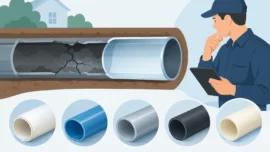
Not every blockage needs a camera survey, but many ongoing or repeat issues do. A CCTV survey gives visual evidence of what is happening inside the pipework and can reveal cracks, displaced joints, root ingress, scale build-up or collapses.
This matters because it turns guesswork into diagnosis. If the problem keeps returning, a survey often saves time and money by showing whether you need a repair, a patch liner or simply a thorough clean. For landlords and commercial sites, recorded footage and reporting can also be useful for maintenance records, tenant issues or insurance discussions.
3. Is this an emergency clearance or a long-term repair?
A good contractor should be clear about the difference. Emergency unblocking gets things flowing again. That is important, especially if toilets are backing up or wastewater is escaping. But emergency clearance does not always solve the underlying defect.
Ask whether the proposed work is intended as an immediate response, a permanent repair or the first stage of a wider fix. There is nothing wrong with a temporary solution when speed is the priority, provided that is explained upfront. Problems usually arise when a temporary fix is presented as a permanent one.
4. What repair options do you recommend, and why?
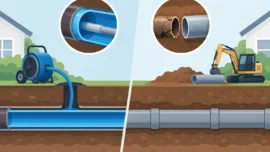
This is one of the most useful essential questions to ask drain contractor because it tells you whether they can offer the right method for the site rather than only the method they happen to use. In some cases, traditional excavation is the correct approach. In others, no-dig repairs such as patch lining can solve the issue with far less disruption.
If the drain runs beneath a driveway, patio, lawn or access route, the repair method matters a great deal. A specialist contractor should explain the trade-off between cost, speed, longevity and disruption. The cheapest quote is not always the cheapest outcome if it means more reinstatement work afterwards.
5. How much disruption should I expect?
This question matters more than many people realise. Drainage work often affects access, parking, tenants, customers or day-to-day living. If the contractor has thought the job through properly, they should be able to tell you what areas need access, whether excavation is likely, how waste will be managed and how the site will be left each day.
For domestic properties, that may mean protecting paving, keeping a route to the front door clear and minimising mess. For landlords and facilities teams, it may mean planning around tenant access, deliveries or business hours. Clear answers here usually indicate a contractor who is used to working in occupied properties rather than empty sites.
6. Are you insured, and do you guarantee the work?
This should never feel awkward to ask. Drainage work involves underground services, excavation risks, contaminated waste and potential property damage if things go wrong. A professional contractor should have suitable public liability insurance and be willing to confirm the level of cover.
Guarantees matter too, but context matters as well. Ask what is guaranteed, for how long and under what conditions. A guarantee on workmanship is not the same as a promise that an old drainage system will never block again. The more clearly this is explained, the less chance of confusion later.
7. Do you have the right accreditations for this type of work?
Not every drainage task requires the same approvals, but if the work connects with water supply infrastructure, reinstatement-sensitive areas or regulated standards, credentials matter. Property managers and commercial clients will already know this. Homeowners should ask anyway.
A specialist contractor should be able to explain what accreditations they hold and why they are relevant. This is less about collecting logos and more about proving competency, safe working practices and compliance where required.
8. What exactly is included in the quote?
This is where many misunderstandings begin. Ask whether the price includes investigation, clearance, CCTV survey, repair, waste removal, reinstatement and VAT. If excavation is a possibility, ask what assumptions the quote is based on.
A clear quote should tell you what is included and what may change if the condition underground is different from what was first expected. Drainage work can uncover surprises, especially on older properties, but the contractor should still be upfront about likely variables. Clear quoting is often a sign of a well-run operation.
9. How soon can you attend, and how long will the job take?
Speed matters, especially with blocked drains, leaks or overflowing systems. But speed without planning is not much use. Ask not only when the contractor can attend, but also how long the job is likely to take once started.
For emergency call-outs, the first attendance may be quick while follow-on repair work is scheduled separately. That is perfectly reasonable if explained clearly. What you want to avoid is vague promises that shift once the work begins.
10. How will you leave the site when the work is finished?
This often separates specialist contractors from general trades. Drains are underground, but the quality of the finish above ground still matters. Ask how surfaces will be reinstated, whether spoil will be removed and what level of tidiness you should expect.
For homeowners, this is about protecting the look and use of the property. For commercial sites, it is about keeping premises safe and presentable. A dependable contractor should treat reinstatement and cleanliness as part of the job, not an afterthought.
What good answers sound like
Good answers are usually straightforward. They explain the likely problem, outline the next sensible step and are honest about what cannot be confirmed until the drain is inspected. They also reflect the realities of the site. A contractor who talks about access, disruption, repair options and guarantees in practical terms is usually approaching the work properly.
Be wary of answers that are overly certain too early, especially on older drainage systems where hidden defects are common. It is better to hear, “We need to confirm that with a CCTV survey,” than to hear a confident diagnosis with no evidence behind it.
A final point before you book anyone
If you are comparing contractors, do not just compare price. Compare clarity. The best contractor is often the one who explains the problem properly, offers the least disruptive suitable method and gives you confidence that the job will be handled professionally from first visit to final clean-up. That is the difference between getting a drain unblocked and getting the problem sorted properly.