How to Unblock a Sewage Drain
Few things are more disruptive to a household than a blocked sewage drain. Whether it’s a clogged sink, shower or toilet, a blocked drain is not only frustrating to have, but also time consuming to fix. If you’re faced with a blocked sewage drain, you’ll be interested to know what caused it, and more importantly how to unblock a sewage drain.
Warning Signs of a Blocked Sewer Drain
Before you can explore how to unblock a sewage drain, you have to figure out whether you have a blocked sewage drain in the first place. There are a few signs to look for to determine whether or not your drain is clogged:
- Slow drainage: One of the most obvious signs of a blocked sewage drain is water draining slower than usual. Eventually, not at all.
- Low water pressure: In addition to slow drainage, water pressure can be affected if the pipes are blocked enough to hinder water flow. Low water pressure can also be an indicator of other problems with the plumbing system.
- Pungent smell: Another telltale sign of a blocked drain is a strong, unpleasant smell coming from the site of the blockage. Whether it’s food or leaves causing the obstruction, as it starts to break down and grow bacteria, a foul smell is likely to develop.
- Bubbling sounds: When drains become blocked, they tend to trap pockets of air, which produce bubbling or gurgling sounds whenever you run water or flush the toilet.
- Water backup: Blocked drains can also cause water to back up through another drain – for instance, running the tap might result in water coming up through the shower drain.
What Causes a Sewage Drain to Block?
Many of the things we use in our daily lives can cause a blocked sewage drain.
In the kitchen, food products such as oil and grease, coffee grounds, rice and breadcrumbs, which go down the drain easily and appear harmless, can cause big problems later. Food products that are trapped inside drains can build up, decompose and cause an unpleasant smell. Oil and grease are especially harmful because they cool down and solidify inside the pipe and cause more serious blockages.
Likewise, the bathroom is at risk of clogging from everyday items. Items such as wipes, feminine products, paper towels and some products marketed as flushable can block sewage drains. Even small things such as hair and soap can clump together and cause serious blockages. Both the kitchen and bathroom are also at risk of small objects accidentally falling down the drain, such as toys or jewellery, which can affect both the plumbing and the object itself.
Outside of the home, sewage drains are commonly blocked by tree roots, leaves and dirt that haven’t been cleared away.
How To Unblock a Sewage Drain
Once you start to recognise the signs of a blocked drain and understand the possible root cause, you can start to address how to unblock a sewage drain. Before attempting to unclog your own drain, be sure to wear protective clothing, gloves and a mask. From there, you can work on how to unblock a sewage drain using one or several of the following methods:
- Pour boiling water down the drain over the course of several minutes to break down grease or soap build-up.
- Pour baking soda and vinegar in equal parts down the drain, leaving it to sit for approximately thirty minutes before flushing with boiling water.
- Use a plunger to create a suction around the drain or toilet to improve water flow.
- Insert a drain snake or wire coat hanger down the drain to break down any build-up or remove foreign objects from the drain.
- Pour chemical drain cleaner down the drain and follow its instructions for use.
Tips to Prevent Future Sewage Blockages
Given how much of a hassle it can be having to learn how to unblock a sewage drain, it’s best to learn how to prevent future blockages. Luckily, preventing blockages is simply a matter of a few lifestyle changes. Be vigilant about what flows down your drains. Avoid pouring oil, grease, coffee and other food products down the kitchen sink, and only flush toilet paper down the toilet. To avoid accidents, start using removable food strainers and hair catchers in your kitchen and bathroom that can catch small objects and prevent future blockages.
Pour boiling water down your drains regularly to eliminate possible build-up from soap and oil. Furthermore, have your plumbing system inspected every few years by a professional. This ensures that your plumbing system is running properly and avoids having to determine how to unblock a sewage drain yourself.
When to Call a Professional?
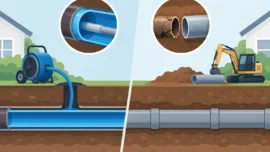
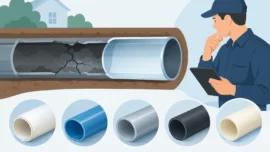
Once none of the previous home remedies have successfully unblocked your sewage drain, the only answer to the question of how to unblock a sewage drain is to call a professional. They have the tools and the techniques to address more complicated problems with your plumbing system, such as issues with the pipes themselves or your septic tank.
Don’t hesitate to contact the team at Watermains & Drains UK and get your household plumbing back in order.