How Underground Pipe Leaks Are Found
A hidden leak on a buried water pipe rarely announces itself properly. More often, it shows up as a higher bill, a patch of ground that never seems to dry out, a drop in pressure at the kitchen tap, or damp appearing where it should not. By the time the problem is obvious, a lot of clean water may already have been lost.
That is why water leak detection for underground pipes needs to be handled methodically. The aim is not simply to confirm that a leak exists. The real job is to narrow it down accurately, avoid unnecessary digging, and get to a repair plan that causes the least disruption to your property or site.
Why water leak detection for underground pipes matters
Underground leaks are different from visible plumbing faults inside a property. Because the pipe is buried, water can travel through soil, under paving, along service trenches, or into drainage runs before it becomes visible. That means the wet patch you can see is not always directly above the fault.
For homeowners, the main concern is usually waste, damage and disruption. A leaking supply pipe can soften ground beneath driveways, gardens and paths, and over time it may affect hardstanding or create repeated damp issues around the property boundary. For landlords and commercial sites, there is also the practical issue of tenant complaints, service interruption and the need for a contractor who can investigate properly and leave the site tidy afterwards.
There is also a cost point. A small leak left alone for months can become more expensive than the repair itself, especially if it leads to reinstatement works, emergency attendance or water charges that keep creeping up.
Signs of a buried water pipe leak
Not every sign points to the same type of fault, but a pattern usually emerges. If your water bill rises for no clear reason, your incoming pressure drops, or you can hear water movement when no taps or appliances are running, it is sensible to investigate. Soft ground, standing water, greener patches of lawn, subsidence around a path or driveway, and unexplained damp near the route of the supply pipe can all point to an underground leak.
Some cases are less obvious. On older properties, especially those with ageing external supply pipes or lead pipework, the problem may appear as intermittent pressure loss rather than visible flooding. On commercial sites, the first sign may be water pooling in a service yard or repeated top-ups on a private supply.
It depends on the pipe material, ground conditions and depth. A leak in sandy ground may show itself quickly. A leak under paving or concrete may travel some distance before it becomes visible.
What causes underground pipe leaks
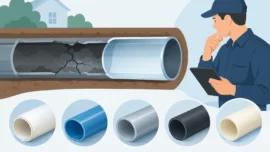
There is no single cause. In the North West and across many older UK properties, ageing pipework is a common factor. Older metal pipes can corrode over time, joints can fail, and previous repairs may become weak points later.
Ground movement is another issue. Seasonal changes, traffic loading, poor backfill, tree root activity and general settlement can all place stress on buried services. Plastic pipework is often more flexible than older materials, but even modern systems can fail at joints, fittings or poorly installed connections.
External damage also plays a part. Landscaping works, fence posts, extensions and driveway installations sometimes disturb buried services without anyone realising until later. In those situations, proper detection matters because guessing and excavating in the wrong place only adds cost and disruption.
How specialists detect underground water leaks
The best leak investigations combine experience with the right equipment. There is no one tool that solves every case, which is why proper diagnosis usually involves more than one method.
Acoustic listening equipment
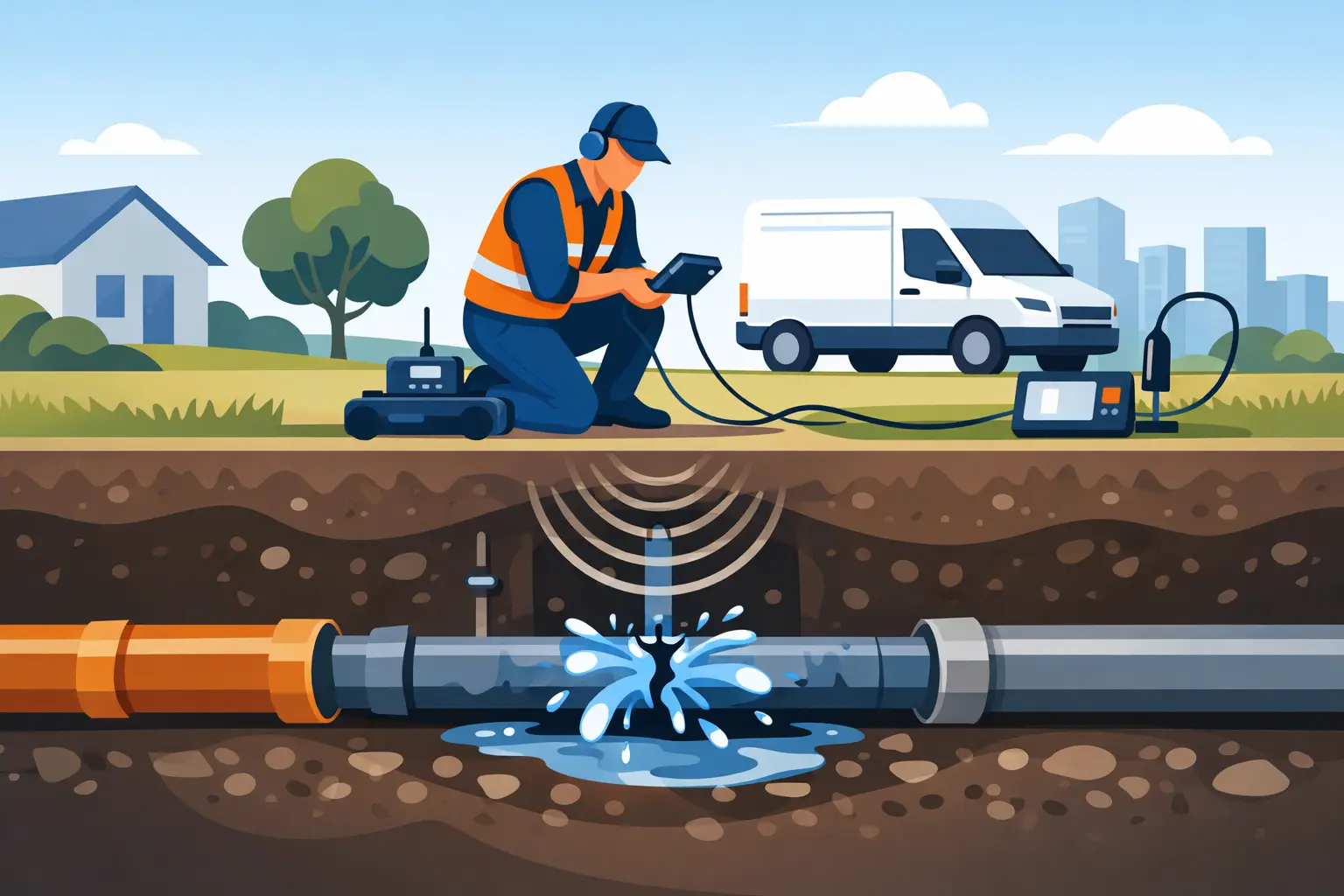
Many underground leaks create noise as pressurised water escapes from the pipe. Specialist acoustic devices help contractors listen for that sound through the ground, valves and fittings. This can be very effective on pressurised water mains and supply pipes, particularly where background noise is manageable and the pipe material carries sound well.
The limitation is that acoustic methods can be less reliable in some ground conditions, around busy roads, or on certain plastic pipes where the leak noise does not transmit as clearly. It is useful, but not always enough on its own.
Correlation technology
On longer pipe runs, leak correlators can help pinpoint the likely location by analysing sound travelling between two fixed points on the pipe. This is often used where access points are available and where a more precise location is needed before excavation.
For property owners, the benefit is straightforward: less guesswork and less unnecessary digging.
Tracer petrol testing
Tracer petrol is a strong option when other methods are less clear. A safe petrol mixture is introduced into the isolated pipe, and specialist detectors are then used above ground to identify where the petrol escapes. This can be particularly helpful on plastic water pipes or where surface finishes make acoustic readings harder.
It is not always the first method used, but in the right setting it can be highly accurate.
Pressure testing and sectional testing
Sometimes the first step is to confirm whether the leak is actually on the private underground supply rather than inside the building or elsewhere on the system. Pressure testing helps establish that. By isolating sections, a contractor can narrow down where losses are occurring.
This matters because not every low-pressure problem is caused by a buried leak. Faulty internal valves, fittings or appliances can create similar symptoms.
Visual inspection and site assessment
Good leak detection still starts with practical site reading. Pipe routes, meter position, surface finishes, ground conditions and previous repairs all matter. An experienced contractor will look at how the property is laid out, where the supply is likely to run, and what repair access is realistic once the leak is found.
That practical thinking is what turns detection into a solution rather than just a report.
When leak detection leads to repair or replacement
Once the leak has been located, the next question is whether to repair a localised fault or replace the affected pipe run. That depends on the age and condition of the pipe, the number of previous failures, and how accessible the service is.
If the pipe is relatively modern and the defect is isolated, a targeted repair may be the sensible option. If the supply pipe is old, undersized, made of lead, or showing repeated issues, replacement is often better value over time.
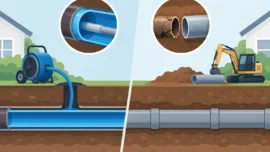
This is where method matters. Traditional excavation still has its place, particularly where a short open dig is the safest route. But trenchless methods such as moling can often install a new water supply pipe with far less disturbance to gardens, driveways and paved areas. For many homeowners, that is the difference between a manageable job and a major headache.
What to expect from a proper leak detection visit
A professional visit should be clear and practical from the start. You should expect the contractor to ask about pressure changes, billing history, visible signs and any previous works on site. They should identify whether the issue is likely on the private supply, explain the detection method they intend to use, and set out what happens if the leak is confirmed.
For domestic customers, clear quoting and a straightforward explanation matter. For landlords, facilities teams and insurance-related works, documentation, access planning and reinstatement expectations are just as important.
The quality of the repair side should not be treated as an afterthought. There is little value in locating a leak precisely if the excavation is untidy, the reinstatement is poor, or the replacement work is not compliant.
Choosing a contractor for underground leak detection
This is specialist work, not a general handyman job. You want a contractor who understands underground water services, not just internal plumbing. That means looking for experience with supply pipe repairs and replacements, knowledge of trenchless installation where suitable, and recognised approvals such as WIAPS and Watersafe for relevant works.
Insurance and guarantees matter too, especially where driveways, paths, landscaping or commercial surfaces may be affected. A properly insured contractor with a clear workmanship guarantee gives you more confidence that the job will be completed professionally and any reinstatement handled properly.
If the leak turns into a full supply replacement, the difference between a specialist and a non-specialist becomes even more obvious. Accurate detection is only the first half of the job. The second half is delivering a repair or new installation with minimal disruption and a reliable finish.
For property owners across the North West, that usually means choosing a contractor who can investigate, quote and carry out the work without passing you between multiple trades. Watermains & Drains UK is set up for exactly that type of work, from leak investigation through to repair or replacement, including no-dig installation where it is the better option.
If you suspect a buried leak, the best next step is not to wait for the ground to get softer or the bill to get higher. Get it checked properly, get the location confirmed, and make a decision based on the condition of the pipe and the least disruptive route to a lasting repair.