

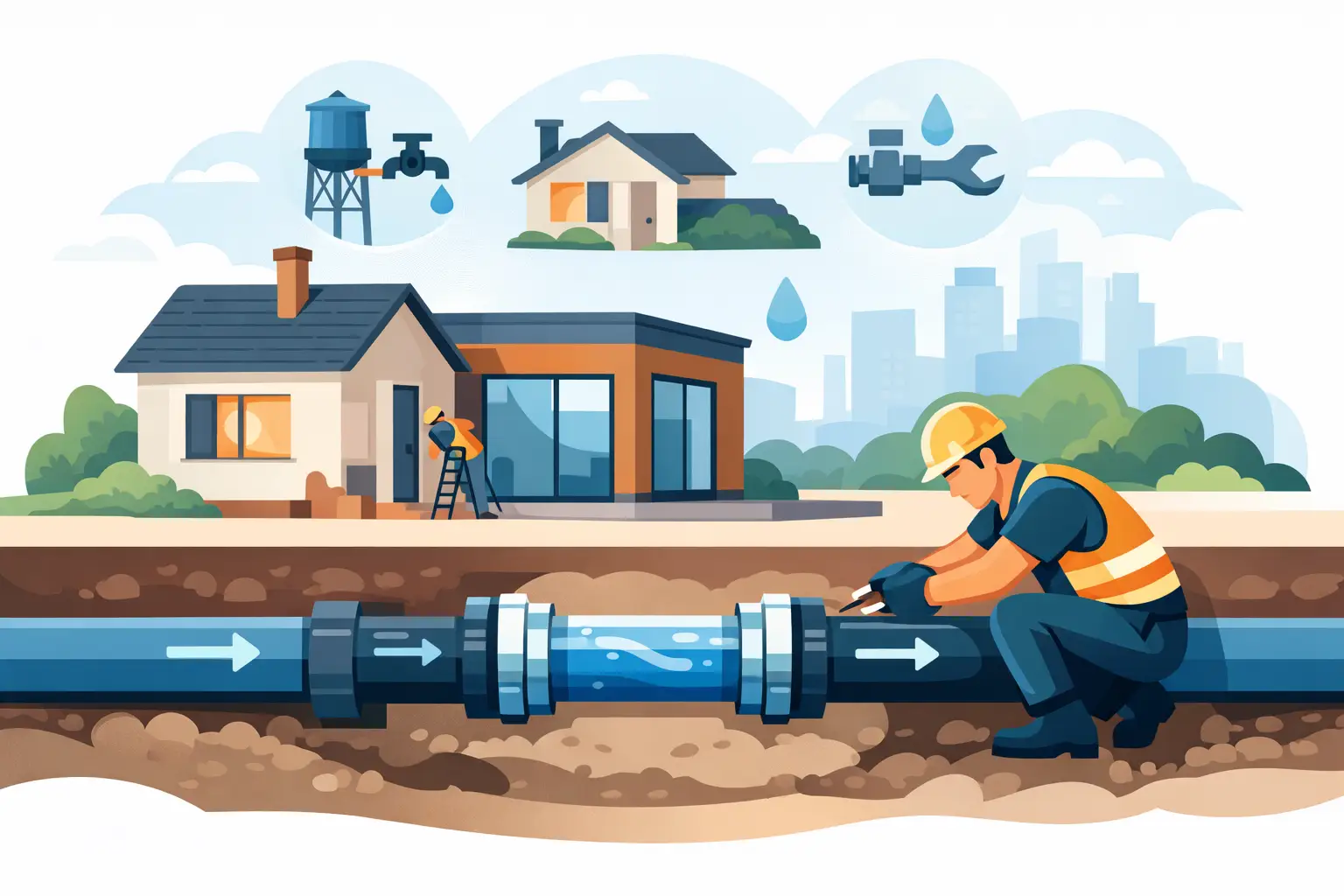
Water Supply Pipe Upgrade for Extensions
Adding a kitchen extension, utility room or annexe often starts with the obvious questions – layout, drainage, heating and finishes. The water supply is usually treated as a simple connection job. In practice, a water supply pipe upgrade for extensions can make the difference between a new space that works properly and one that suffers from poor pressure, slow filling appliances or repeat excavation later.
If the incoming supply is older, undersized or made from outdated materials, extending the internal plumbing without checking the main feed can store up problems. That is especially true where a new extension adds high-demand fittings such as a downstairs shower room, boiling water tap, large kitchen, utility appliances or garden supply.
When a water supply pipe upgrade for extensions is worth doing
Not every extension needs a full incoming supply replacement. It depends on what is already serving the property, how much extra demand the extension adds, and whether there are signs the existing pipe is already struggling.
Many older homes across Manchester, Stockport, Warrington, Cheshire and surrounding areas still have ageing supply pipes. Some are lead. Others are older alkathene or metal pipes with a smaller internal diameter than would now be specified for modern domestic demand. If that pipe is already limiting flow, adding more outlets will not improve matters.
A sensible assessment looks at the whole picture. A single-storey rear kitchen extension with one extra sink is very different from a project that includes a utility room, underfloor heating feed, external tap and additional bathroom. On paper, both are extensions. In terms of water demand, they are not comparable.
You should look more closely at the supply pipe if you already notice weak flow at busy times, pressure drop when more than one outlet is running, discoloured water from older pipework, or evidence of previous leaks. If the property has a lead supply, an extension project is often the right time to deal with it rather than build around an outdated service.
The common problems caused by an undersized supply
The issue is not always static pressure. Homeowners are often told they have “good pressure” because a gauge reading looks acceptable. What matters in everyday use is how the system performs under demand. Flow rate, pipe diameter, pipe condition and route length all affect the result.
An extension can expose weaknesses that were already there. A kitchen may look complete, but if the washing machine, dishwasher and tap are competing on a restricted incoming supply, performance drops quickly. The same applies where a new shower room is added and another tap or WC is used elsewhere in the house.
There is also a cost issue. If patios, driveways, landscaped gardens or new floors are completed before the incoming supply is reviewed, any later upgrade becomes more disruptive and more expensive. Planning the water supply properly at extension stage is usually the cleaner option.
What a contractor should assess before upgrading
A proper recommendation should not be guesswork. Before specifying a new supply arrangement, a specialist contractor should consider the existing pipe material, its diameter, likely route, depth, condition and connection point. They should also look at the expected demand from the completed property, not just the extension in isolation.
This matters because the right solution varies. In some cases, the incoming supply pipe from the boundary to the property is the real problem. In others, internal distribution pipework or poor historic alterations are contributing to restricted performance. There is no benefit in replacing one section while leaving a major bottleneck untouched.
For landlords and commercial property managers, compliance and record-keeping also matter. If work is being carried out as part of wider refurbishment, you need a contractor who understands water regulations, proper commissioning and clean reinstatement. That is particularly relevant where tenanted properties, managed sites or insurance-related works are involved.
Lead pipes and extension projects
Lead supply pipes deserve special mention. If a property still has lead on the private supply side, an extension is a practical point to replace it. Leaving lead in service while investing in a new kitchen or additional accommodation rarely makes sense, especially when floors, gardens or hardstanding may already be disturbed by the works.
Replacing a lead pipe can improve flow, remove a common source of concern for buyers and tenants, and bring the property closer to modern expectations. It also avoids the awkward situation where a smart new extension is fed by old infrastructure that may need replacement shortly afterwards.
Trenchless installation can reduce disruption
One reason some homeowners put off a supply upgrade is the worry about excavation. That concern is understandable if the route crosses a finished driveway, patio, lawn or planted area. Traditional open trench work can be the right method in some situations, but it is not the only option.
Modern trenchless methods, including impact moling and HDD where suitable, can often install a new water supply pipe with far less surface disruption. Instead of opening a long trench across the whole route, the work can often be completed from smaller launch and reception pits. For occupied homes and managed properties, that can mean faster completion, tidier sites and less reinstatement.
This is where specialist contractors stand apart from general groundworkers. The method needs to match the site conditions, utility congestion, access restrictions and reinstatement requirements. A cheap quote that ignores those factors often stops being cheap once delays and repairs start.
How the upgrade is usually planned
In most cases, the process starts with a site assessment. That should establish where the existing supply enters the property, whether there is an obvious issue with pipe material or size, and the most practical route for a replacement if one is needed.
From there, the contractor can advise whether the extension can be served from the current incoming main, whether the private supply should be renewed, and what installation method offers the least disruption. If the route crosses finished external surfaces, trenchless installation may be the preferred option. If access is limited or the layout is complex, a mixed method may be more sensible.
The best outcomes usually come when the water supply upgrade is coordinated with the extension build programme. That allows for cleaner entry points, fewer repeat visits and less risk of newly completed works being disturbed. For homeowners, it means fewer surprises. For builders and property managers, it means less programme drift.
Cost depends on route, method and existing conditions
There is no honest one-size-fits-all price for a water supply pipe upgrade for extensions. The main cost drivers are the length of the run, ground conditions, access, reinstatement requirements, the installation method used and whether the existing supply arrangement presents complications.
A straightforward replacement across soft ground is different from installing beneath a block-paved drive or around other buried services. Equally, a short upgrade to support a modest extension will not cost the same as a full renewal serving a larger remodel with multiple new outlets.
That said, doing the work at the right stage is often more cost effective than waiting. If excavation, drilling or entry works can be coordinated before final surfacing and finishes, the project is usually simpler to deliver.
Choosing the right contractor matters
This type of work sits between building, utilities and compliance. It is not just a matter of connecting a new pipe and hoping the performance improves. You need a contractor who deals with water infrastructure regularly, understands private supply renewals, and can install with minimal disruption where finished external areas are involved.
Approvals, insurance and workmanship guarantees should be part of that conversation, not an afterthought. So should practical conduct on site – clear communication, tidy excavation, reliable scheduling and proper reinstatement. Those details matter just as much as the pipe itself when the work is being carried out at an occupied property.
For homeowners and landlords across the North West, Watermains & Drains UK typically sees the same pattern: the extension plans are well advanced, but the incoming supply has not been checked until late in the process. Catching that early gives you more options and usually a better result.
A smarter approach before building starts
If you are planning an extension, treat the water supply as part of the project infrastructure, not an afterthought. A brief assessment now can show whether the existing pipe is adequate, whether a lead or undersized supply should be replaced, and whether trenchless installation could avoid unnecessary disruption.
That way, the new space is supported by a supply that matches how the property will actually be used – not how it worked twenty or thirty years ago. A well-planned upgrade is rarely the most visible part of an extension, but it is often one of the jobs that keeps everything else working properly.





