

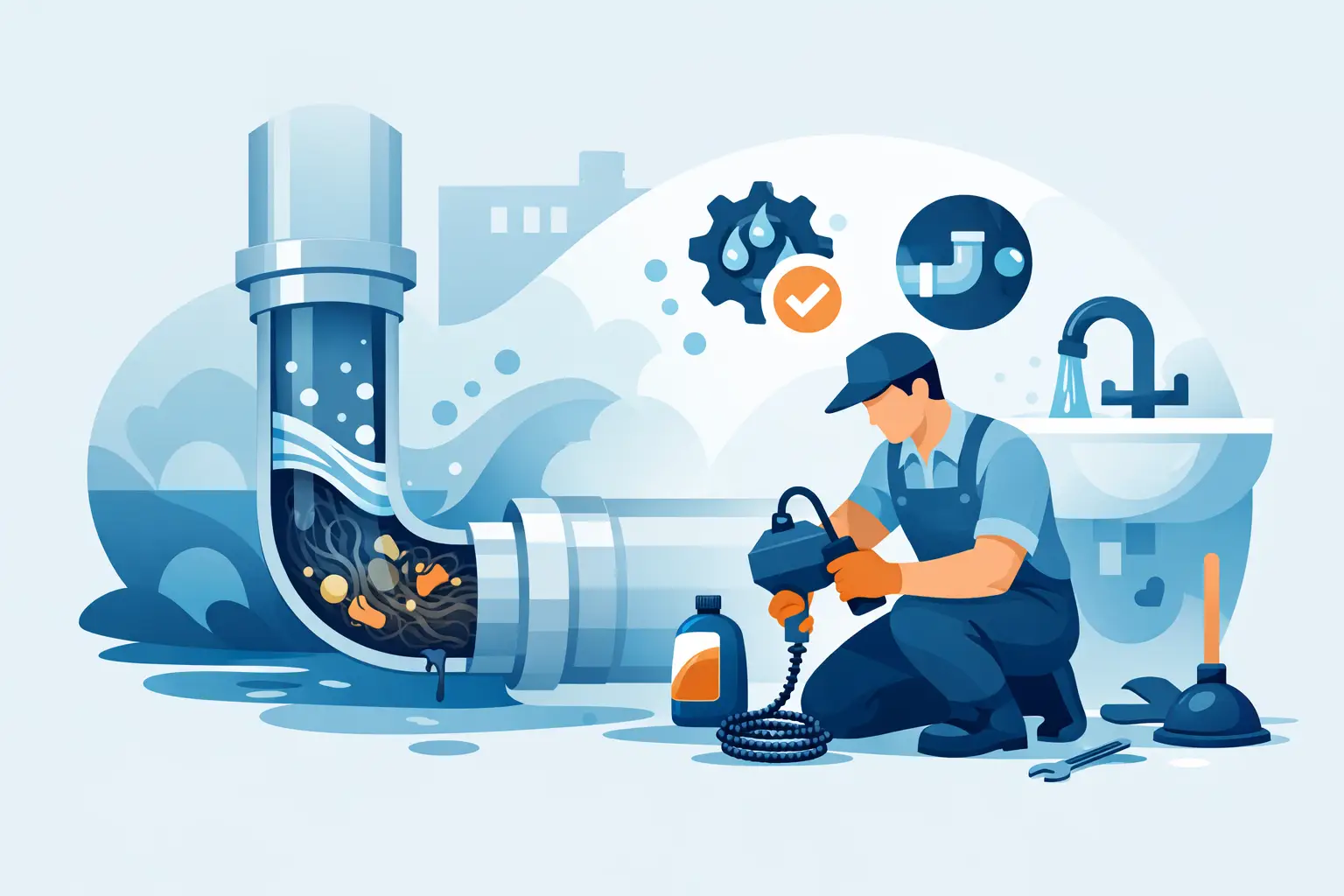
Best Solutions for Recurring Drain Blockages
A drain that blocks once is a nuisance. A drain that keeps backing up into a kitchen sink, gully or toilet is usually a sign that the real fault has not been found. The best solutions for recurring drain blockages are rarely about stronger chemicals or repeated plunging. They start with identifying why the blockage keeps returning, then choosing a repair or maintenance approach that deals with the cause rather than the symptom.
For homeowners, landlords and property managers, that matters because repeat call-outs quickly become more expensive than a proper fix. They also increase the risk of internal water damage, foul odours, tenant complaints and disruption to normal use of the property. If the issue affects a commercial site, recurring drainage problems can also create hygiene and compliance concerns.
Why drain blockages keep coming back
Recurring blockages usually point to one of four issues. The first is a build-up problem, where fat, grease, food waste, wipes, scale or silt are collecting faster than the pipe can carry them away. The second is a structural defect such as a cracked pipe, displaced joint or a section that has dropped and now holds standing water. The third is root ingress, where roots enter through defects and steadily catch debris. The fourth is poor drainage design, including inadequate falls, undersized pipework or awkward junctions.
This is why a simple unblocking visit can solve the immediate overflow but not the ongoing problem. If the line is cleared without checking the condition of the pipe, the same obstruction may return within weeks. In older properties across the North West, it is also common to find ageing drains with multiple defects rather than a single isolated blockage.
The best solutions for recurring drain blockages depend on the cause
There is no single answer that suits every property. The right solution depends on what is inside the drain, what condition the pipe is in, how accessible the system is and whether the problem is domestic or commercial.
A house with grease build-up in a kitchen waste line needs a different approach from a shared drainage run with root ingress, or a commercial premises dealing with frequent sediment and scale. Good drainage contractors will not treat all repeat blockages as routine unblocking jobs. They will assess the pattern, inspect the line properly and recommend the least disruptive fix that is likely to last.
High-pressure water jetting for heavy build-up
If recurring blockages are caused by grease, sludge, soap residue or compacted debris, high-pressure water jetting is often the most effective first-line solution. It does more than punch a hole through the blockage. Done properly, it cleans the internal wall of the pipe and removes the material that ordinary rodding often leaves behind.
That makes jetting a strong option where drains are technically sound but continually narrowing due to deposits. It is commonly used on kitchen lines, external gullies and commercial drainage systems where usage is heavy. The trade-off is that jetting will not solve a broken pipe, root entry or poor falls. If a pipe is damaged, the blockage will usually return.
CCTV drain surveys to find the real fault
When a drain has blocked more than once, a CCTV survey is often the most cost-effective next step. It shows whether the problem is simply recurring build-up or whether there is a physical defect causing debris to catch and accumulate.
For landlords and facilities teams, this is especially useful because it provides evidence for repair decisions, insurance discussions and planned maintenance. For homeowners, it avoids paying for repeated emergency attendance without knowing what sits beneath the surface. A proper survey can identify fractures, open joints, root ingress, collapsed sections, scale, standing water and previous poor-quality repairs.
In practice, CCTV is often the point where a recurring problem stops being guesswork and becomes a defined repair job.
When recurring drain blockages are caused by damaged pipes
If the survey shows structural damage, the best solution is usually repair rather than continued cleaning. A cracked or displaced pipe may still flow for a while after jetting, but the defect will keep collecting paper, wipes, grease or silt until the line blocks again.
Patch lining for localised defects
For isolated cracks, joint defects or minor root ingress, patch lining can be a very effective no-dig repair. A resin-impregnated liner is installed inside the damaged section, creating a new internal surface without excavating the whole run.
This suits many domestic and commercial sites because disruption is low, reinstatement costs are reduced and access requirements are simpler than full excavation. It is not right for every situation. If a pipe has fully collapsed or there are several defects along a long section, a patch repair may be too limited.
Full drain repairs or replacement
Where there is severe damage, poor installation or sections of drain that have lost line and level, full repair or replacement may be the only reliable option. This is particularly true if there is a backfall in the system and waste is sitting in the pipe instead of draining freely.
Although replacement sounds more disruptive, modern methods can keep excavation to a minimum. A specialist contractor will usually look for the most direct and least disruptive approach first, especially where driveways, gardens or paved areas are involved. The goal is not simply to renew the drain, but to restore proper performance with as little disturbance to the property as possible.
Root ingress needs more than cutting roots back
Tree roots are a common cause of repeat drain blockages, particularly in older systems. Cutting the roots out may restore flow in the short term, but if the entry point remains open, roots will return. That is why root problems need both clearance and repair.
In some cases, root cutting followed by patch lining is enough. In others, a damaged section needs replacing. The right answer depends on how far the roots have spread and whether the pipe wall is still structurally sound. This is another area where CCTV matters, because root ingress can look like a simple blockage from above ground but actually indicate a more significant defect below.
Planned maintenance can be the best answer for high-use systems
Not every recurring blockage points to a broken drain. In some properties, especially commercial kitchens, multi-occupancy buildings and sites with heavy use, the issue is volume and usage pattern rather than pipe failure.
In those cases, scheduled maintenance can be the best long-term solution. Periodic jetting and inspection help remove build-up before it causes disruption. For landlords and managing agents, this can be more cost-effective than repeated emergency call-outs and the associated tenant dissatisfaction.
The key is to be honest about whether maintenance is managing a known usage issue or masking a repair need. A competent contractor should make that distinction clear.
What to avoid if you want a lasting fix
Repeated use of off-the-shelf drain chemicals is rarely a good long-term answer. They may shift light build-up, but they do not address structural faults and can damage pipework over time, particularly in older systems. They also create safety issues for anyone who later has to work on the drain.
Constantly rodding the same line has similar limits. It may reopen the pipe temporarily, but if wipes are catching on a broken joint or grease is building in a poorly draining section, the blockage will simply return. A cheaper visit today often becomes a more expensive pattern over time.
Choosing the right contractor for recurring drainage problems
This type of issue needs more than a basic unblock service. It needs a contractor who can move from emergency response to diagnosis and repair without unnecessary delay. That means having the equipment and experience to clear the line, inspect it, explain the fault clearly and carry out the required remedial work.
For domestic customers, that usually means straightforward advice, rapid attendance and tidy completion. For commercial clients and property professionals, it also means documented findings, reliable scheduling and repair methods that limit disruption to access areas and surfaces.
Where excavation is required, no-dig and low-disruption methods are worth asking about. They can make a significant difference to programme time, reinstatement cost and the overall impact on the property. Watermains & Drains UK works with this approach in mind, combining reactive drainage support with CCTV surveys, repairs and trenchless methods where they are the right fit.
The practical way to stop repeat blockages
If your drain has blocked more than once, the sensible next step is not another temporary fix. It is to establish whether you are dealing with build-up, damage, roots or design issues, and then choose the least disruptive repair or maintenance plan that matches the fault.
That may be as simple as a thorough jet clean and better maintenance intervals. It may mean a CCTV survey followed by patch lining or a targeted repair. Either way, the best results come from treating recurring blockages as a drainage fault to diagnose properly, not just a blockage to clear again.
A drain should not keep demanding attention. When the cause is identified and dealt with properly, the problem usually becomes far simpler, cleaner and less costly to live with.





