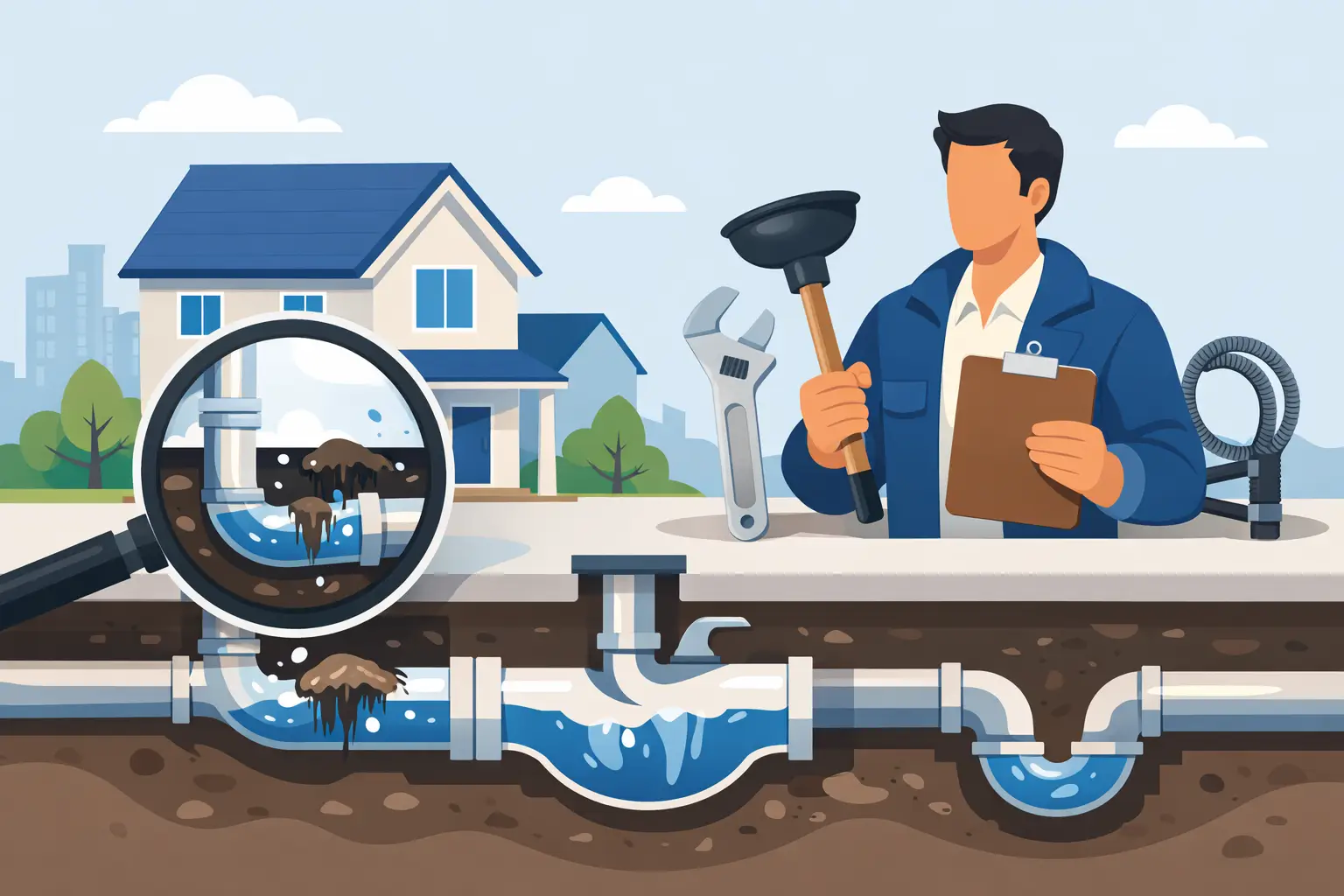
Landlord Guide to Blocked Drains
A blocked drain rarely arrives at a convenient time. More often, it starts with a tenant reporting a bad smell, slow drainage in the kitchen sink, or overflowing gullies outside just before a viewing, a checkout, or the weekend. This landlord guide to blocked drains is designed to help you act quickly, protect the property, and avoid turning a small drainage issue into a larger repair, insurance claim, or tenant dispute.
For landlords, blocked drains are not just a maintenance nuisance. They can affect habitability, cause water damage, trigger complaints, and in some cases create environmental health concerns. The right response depends on what is blocked, where the blockage sits, and whether the cause is accidental use, gradual build-up, or an underlying defect in the drainage system.
Why blocked drains become a bigger issue in rented property
In an owner-occupied home, a slow-draining bath might be left for a few days. In a rental property, that same issue can escalate faster because more people may be using the system, tenants may not spot early warning signs, and communication is often delayed until the problem becomes disruptive.
There is also the question of responsibility. Landlords are generally responsible for keeping drains, pipes and sanitary installations in repair. But that does not always mean every blockage automatically falls to the landlord. If a tenant has caused the issue through misuse, such as flushing wipes or pouring fat down the sink, recovering costs may be reasonable. The difficulty is proving cause, especially once the blockage has already been cleared.
That is why a practical approach matters. Deal with the immediate problem first, then establish whether the blockage points to tenant use, poor maintenance history, or a defect that needs proper repair.
A landlord guide to blocked drains and first response
The first priority is to understand the scale of the problem. If one sink is draining slowly, the issue may be local to that appliance. If the toilet, bath and kitchen are all backing up, or an external chamber is surcharging, the blockage may sit further down the line.
Ask the tenant a few direct questions. Which fixtures are affected? Is there a foul smell? Has anything overflowed inside or outside? Did the issue appear suddenly or build over time? These details help decide whether this is a simple unblocking job or something that needs a fuller investigation.
If sewage is backing up into the property, treat it as urgent. That is not a wait-until-Monday problem. Wastewater inside a home creates hygiene risks and can damage floors, walls and fittings very quickly. Fast attendance matters, but so does sending the right contractor. A drainage specialist can clear the blockage and identify whether there is a collapsed section, root ingress, displaced joints or another fault behind it.
The most common causes in rental properties
In lettings, the same causes appear again and again. Kitchens often block because of fat, oil and food waste. Bathrooms suffer from hair, soap residue and excessive toilet paper. Toilets are frequently affected by wipes, sanitary products, cotton pads and other items that should never be flushed, even when packaging claims otherwise.
Outside, drains can become blocked with leaves, silt and debris, particularly where gullies are poorly maintained. Older properties may have pitch fibre drains, cracked clay pipework, or sections affected by tree roots. In those cases, the blockage is often only the visible symptom. Clearing it restores flow, but if the pipe is damaged, the problem is likely to return.
This is where landlords can lose money by choosing the cheapest short-term fix. A quick unblock has its place, especially in an emergency, but recurring drainage issues usually need evidence and a proper diagnosis. CCTV drain surveys are often the most efficient way to establish whether the problem is misuse, build-up, or structural failure.
Who pays when a drain is blocked?
This is usually the question landlords ask first, but it is better asked after the immediate issue is made safe. In broad terms, landlords remain responsible for the drainage system itself. Tenants may be responsible where misuse is clear and documented.
The grey area sits in the middle. If a blockage has built up over years because the pipework has poor falls, rough internal surfaces, or a partial collapse, it is hard to place that on current tenants. If a contractor removes a mass of wipes and sanitary products from an otherwise sound drain, the position is different.
Good records help. Check your inventory, welcome pack, and maintenance communications. If tenants have been given clear guidance on what not to flush and how to use waste systems properly, cost recovery is easier to justify. Without that paper trail, disputes can become subjective.
When unblocking is enough and when repair is the real answer
Not every blocked drain needs excavation. In fact, many do not. Professional rodding or high-pressure water jetting can restore flow quickly and cleanly where the line is basically sound. For landlords, that often means less downtime, less tenant disruption and a faster return to normal use.
But if the same property suffers repeated blockages, there is usually an underlying reason. A CCTV survey may show root ingress at joints, a fractured section of pipe, scale build-up, or a slight collapse holding back waste. In these cases, repair is often more cost effective than repeated call-outs.
Modern drainage work has moved on from the days when every repair meant digging up a driveway or lifting half the garden. In many situations, patch lining or other no-dig methods can repair localised defects with far less disruption. That matters in occupied properties, blocks with shared access, and homes where reinstatement costs can quickly outstrip the drain repair itself.
Preventing blocked drains between tenancies
The best time to reduce future drainage problems is between tenants, when access is easier and there is no live complaint to manage. A basic check of gullies, traps and external chambers can pick up early signs before they become emergencies.
If a property has a history of drainage trouble, it is sensible to go further. A pre-tenancy CCTV survey can be worthwhile on older housing stock or homes that have already seen repeat blockages. It gives you a clear record of the drain condition at handover and helps separate historic defects from new misuse later.
Simple tenant guidance also makes a difference. Keep it practical. Tell tenants not to flush wipes, nappies, cotton buds or sanitary products. Remind them not to pour cooking fat or oil down the sink. Ask them to report slow drainage early rather than waiting for a full blockage. Most tenants are not trying to damage the system. They often just do not realise how easily domestic drains block.
Choosing the right contractor as a landlord
Speed matters, but so do competence and accountability. A contractor dealing with blocked drains in rental property should be able to do more than just get the water moving again. You need someone who can explain the likely cause, recommend next steps, and provide clear evidence if the issue points to misuse or a repair requirement.
For landlords and property managers, practical details count. Can they attend urgently when sewage is backing up? Can they carry out CCTV surveys if the issue keeps returning? Can they repair the defect with minimal disruption if the line is damaged? Are they properly insured and used to working in occupied homes?
This is especially relevant where driveways, paved paths or landscaped gardens sit above the drainage run. Contractors with trenchless and no-dig repair capability can often resolve defects with less mess and less reinstatement. That is good for tenant relations and good for your maintenance budget.
Watermains & Drains UK works with landlords and property managers across the North West on urgent unblocking, drainage investigation and repair, with modern methods that help keep disruption to a minimum.
Warning signs landlords should not ignore
Some drainage issues look minor at first. A recurring bad smell outside the back door, water sitting around a gully after rain has passed, or a toilet that bubbles when the bath empties may all point to a developing blockage. Ignoring these signs usually makes the final repair more expensive, not less.
It also affects the tenant experience. Delayed responses to wastewater problems are remembered. Prompt action, clear communication and tidy completion are often the difference between a manageable maintenance job and a formal complaint.
A practical landlord guide to blocked drains in older properties
Older properties across Manchester, Stockport, Warrington, Cheshire and surrounding areas often come with drainage systems that have seen decades of use, mixed repairs and occasional alterations. Pipe materials vary, falls are not always ideal, and tree roots are a common factor in external lines.
That means landlords should be cautious about assumptions. If an older terrace or semi suffers repeat blockages, there may be more going on than tenant use. A proper survey can save time and argument. It also gives you a stronger basis for planning repairs, speaking to insurers if needed, and showing tenants that the issue is being handled professionally.
Blocked drains are rarely convenient, but they are manageable when handled early and properly. The most cost-effective approach is usually the same one that causes the least disruption – respond quickly, establish the cause, and fix the real problem rather than paying for the same emergency twice.