How to Fix Low Water Pressure in Your House
A weak shower, slow-filling bath and kitchen tap that barely rinses a plate are more than minor annoyances. If you need to fix low water pressure in a house, the first job is identifying whether the restriction is inside the property, in the incoming supply pipe, or affecting the wider area. The right repair can make a noticeable difference. The wrong one can mean spending money on a new pump when the real problem is an ageing or leaking supply pipe.
Start by working out where the problem occurs
Low pressure is not always the same as low flow. Pressure is the force pushing water through the pipework. Flow is the volume that reaches the tap. A blocked tap aerator can reduce flow at one outlet even when the property has good incoming pressure. A restricted service pipe, however, can leave several taps weak at the same time.
Begin with a few straightforward checks. Try the cold taps downstairs and upstairs, then compare them with the hot taps. See whether the pressure drops only when another appliance is running, such as a washing machine, dishwasher or shower. It is also useful to ask a neighbour whether they have noticed a recent change.
If just one tap is affected, the cause is usually local. If every cold tap is poor, particularly at busy times, the issue may lie with the stop tap, meter, external supply pipe or water network. If hot water alone is weak, your boiler, cylinder, valves or internal hot-water pipework may need attention instead.
Check for a local supply problem
Before arranging work at your property, check whether your water company has reported a burst, planned maintenance or temporary pressure reduction in your area. These issues can affect whole streets and are normally resolved by the water supplier.
A sudden loss of pressure, muddy water, unusual noise from the pipework or wet ground near the boundary should not be ignored. These can point to a leak or damaged pipe. Turn off the internal stop tap if water is entering the property, then arrange professional help promptly.
Simple checks that can fix low water pressure house issues
Some causes are minor and can be resolved without excavation. The internal stop tap, usually found under the kitchen sink, in a utility room, or near where the water pipe enters the building, should be fully open. Older valves can seize or fail internally, so do not force one that has not been moved for years. A damaged stop tap may need replacing by a qualified contractor or plumber.
Check the external stop valve too, where accessible. This is often close to the property boundary or water meter. Again, it should be fully open. Only adjust equipment serving your own property, and take care around meter chambers and covers.
Limescale and debris can also restrict flow at individual outlets. Unscrew and clean a tap aerator or shower head where appropriate, then retest. If a filter or pressure-reducing valve has been fitted, it may require inspection. These checks are worthwhile, but they will not solve a poor incoming supply caused by an undersized or deteriorated pipe.
Avoid turning up boiler settings or fitting a pump as a first response to weak water across the whole house. Pumps can help in certain plumbing arrangements, but they do not repair a restricted mains supply. In some cases, they are unsuitable or require careful design to avoid affecting the incoming main.
When the incoming water supply pipe is the cause
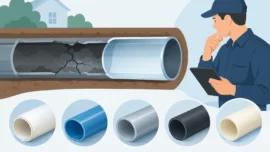
Many older UK properties are still connected by lead supply pipes, particularly homes built before the 1970s. Lead pipes can be narrow, distorted or heavily restricted over time. Older galvanised iron pipework can corrode internally, reducing the usable diameter until water flow becomes poor.
The supply pipe is the private pipe running from the boundary point or water company connection to your internal stop tap. Responsibility can vary around the property boundary, so a survey is the sensible way to establish what is in place and where the issue lies.
A leaking supply pipe can also cause low pressure. Not every leak produces a visible puddle. Water may disappear into soil beneath a driveway, lawn or paved area, while the house experiences reduced flow, rising bills or a constantly moving water meter when all taps are off.
Professional leak detection can help locate the problem before unnecessary excavation begins. Depending on the site, this may involve pressure testing, acoustic methods and tracing equipment. The aim is to repair or replace only what is needed, with a clear understanding of the route and condition of the existing pipe.
Lead pipe replacement and larger new supplies
Replacing an old lead or restrictive supply pipe is often the most reliable long-term solution where poor pressure affects the whole property. A new polyethylene water pipe provides a clean, durable route from the connection point to the internal stop tap. It can also be sized appropriately for the property’s expected demand.
Pipe size matters. A small household with one bathroom has different requirements from a large family home with multiple bathrooms, a loft conversion, garden taps and appliances running at the same time. Commercial premises, flats and rental properties may have additional demands and compliance considerations. A contractor should assess the route, available connection arrangements and likely water use before recommending a pipe diameter.
Replacing the private supply pipe does not guarantee a specific pressure if the wider water network is limited. However, it removes a common restriction within the homeowner’s control and is frequently the decisive improvement in properties with old pipework.
Choose the least disruptive installation method
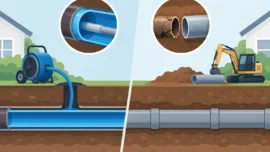
Traditional trenching involves excavating a continuous channel across the garden, driveway or paths. It can be the right method where ground conditions demand it, but it is not the only option.
Trenchless moling creates a narrow underground bore so a new water pipe can be installed with far less excavation. Small entry and exit holes are used rather than opening the full route. This can be particularly effective beneath lawns, block paving, patios and driveways, reducing reinstatement work and the time your property is disrupted.
Horizontal directional drilling, often called HDD, may be suitable for more complex or longer routes. It gives greater control over the bore path and can help avoid obstacles where site conditions allow. The best method depends on access, depth, ground type, existing services and the pipe route. A proper site survey is more valuable than a one-size-fits-all promise.
Watermains & Drains UK carries out new water supply installations and lead pipe replacement using trenchless methods where suitable, helping homeowners and property managers protect finished surfaces while getting a dependable new connection in place.
Do not overlook internal plumbing and hot water faults
If cold water pressure is good but hot taps are poor, the incoming mains is unlikely to be the main issue. Common causes include scaled pipework, a partially closed valve, a blocked filter, a faulty mixer tap, problems with an unvented cylinder or an issue within the boiler system.
This is where the diagnosis matters. A supply-pipe specialist can investigate poor incoming mains flow, while a Gas Safe engineer or suitably qualified plumber should assess boilers and hot-water systems. For landlords and facilities teams, recording the symptoms, affected outlets and timing of the fault will help the right contractor attend prepared.
When to arrange a professional survey
Arrange an inspection when weak water affects multiple taps, pressure has deteriorated gradually, a property has known lead pipework, or there are signs of leakage around the supply route. It is also sensible before renovating a kitchen, adding a bathroom or installing higher-demand appliances. Upgrading the supply pipe before new paving or landscaping can avoid lifting completed work later.
Ask for a clear explanation of the likely fault, the proposed pipe route, whether trenchless installation is suitable and what reinstatement is included. For larger works, homeowners and property managers should look for contractors with relevant water-industry approvals, appropriate insurance and a written workmanship guarantee. These details matter when work involves a potable water supply, buried services and finished external areas.
A good repair should leave you with more than a stronger shower. It should give you a supply pipe that is fit for the property, a tidy site and confidence that the underlying cause has been dealt with rather than masked.