How to Unblock Outside Drain Safely
A blocked gully or inspection chamber usually makes itself known at the worst possible time – after heavy rain, during a busy morning, or just before tenants call to report foul smells. If you are wondering how to unblock outside drain problems safely, the first job is not force. It is working out where the blockage is, how severe it is, and whether you can clear it without making the situation worse.
Outside drains can block for simple reasons such as leaves, silt and food waste, but they can also be affected by grease build-up, collapsed pipework or tree root ingress. That matters because the right response for a surface blockage is very different from the right response for a damaged drain line. A careful approach can save time, avoid mess, and reduce the risk of flooding around the property.
Before you unblock an outside drain
Start by checking whether the problem is isolated to one outside drain or affecting several points. If your kitchen sink is slow, the downstairs loo is backing up, and the external chamber is full of standing water, the blockage is likely further along the drainage run. If only one gully outside is overflowing, debris near the top may be the main issue.
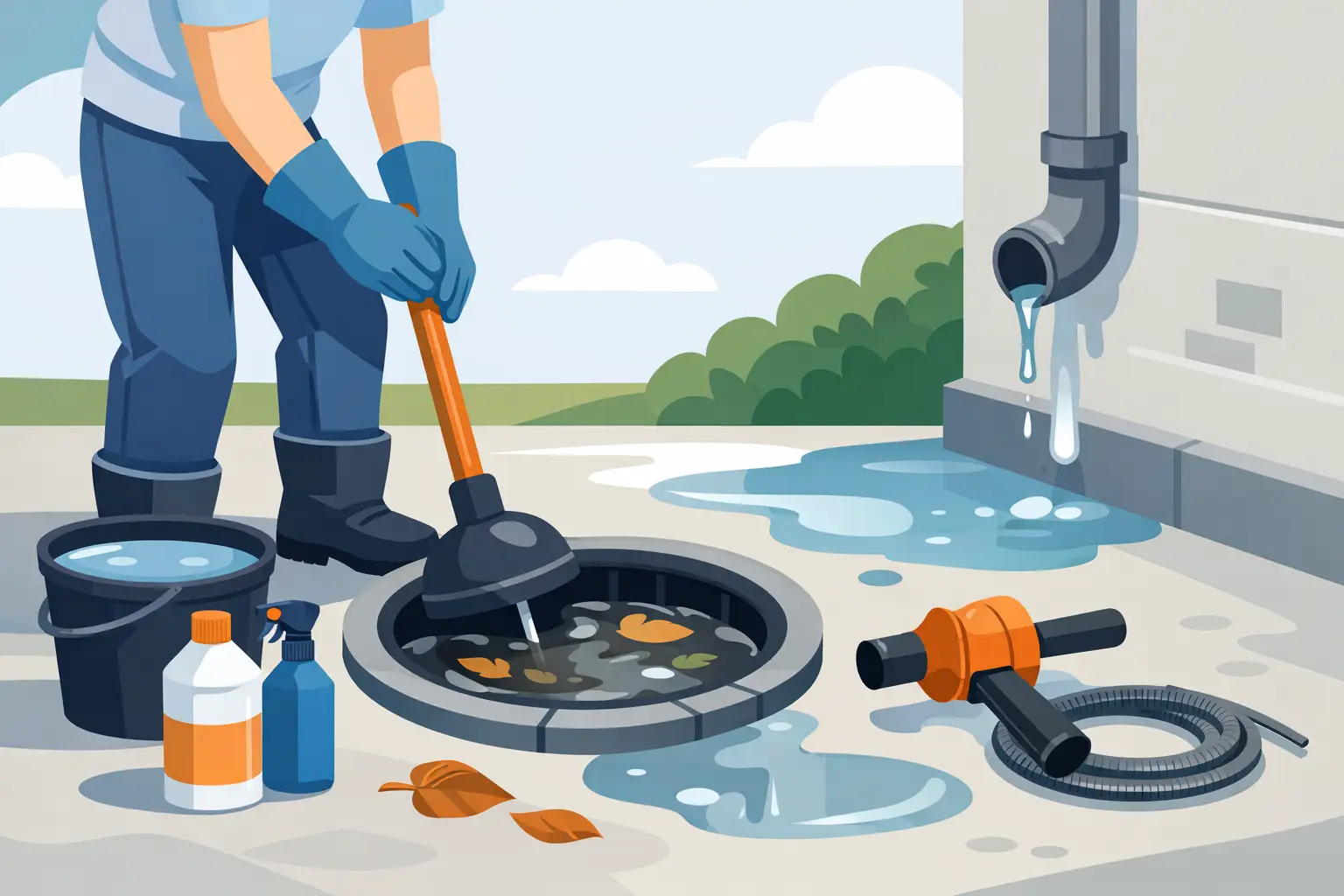
Put on waterproof gloves, sturdy footwear and eye protection. If there is foul water present, avoid direct skin contact and keep children and pets away from the area. Drain covers can be heavy, and some inspection chambers are deeper than they look, so lift covers carefully with suitable tools rather than improvising with screwdrivers or your hands.
If sewage is entering the property, toilets are overflowing, or a chamber is surcharging rapidly, this has moved beyond a simple DIY job. In those cases, a professional drainage contractor is usually the fastest and cleanest option.
How to unblock outside drain step by step
Begin with the most accessible point. Remove leaves, mud, paper and other visible debris from the drain grate or gully. In many domestic properties, the blockage sits just below the cover where waste has collected over time. Use a small shovel or scoop and place waste straight into a heavy-duty bag for disposal.
Next, run water into the drain slowly. A bucket of hot water, not boiling, can help shift soap residue and light grease in gullies connected to kitchen waste. If the water level drops away normally, you may have cleared the problem. If it rises and sits there, the obstruction is probably deeper in the line.
A drain rod is the next sensible step. Feed the rods into the drain gently, turning them clockwise as you go so the joints do not loosen inside the pipe. Do not ram them forward aggressively. If you meet resistance, work the rods back and forth with steady pressure until the blockage starts to break up. Once the water begins to move, keep rodding a little further to make sure you have cleared the full obstruction rather than just punching a small hole through it.
After that, flush the system with plenty of water. This is the part people often skip, and it is why some drains block again a few days later. A proper flush helps carry loosened debris down the line and shows whether the water is now flowing at a normal rate.
Tools that help – and mistakes to avoid
For most homeowners, a pair of gloves, a bucket, a scoop and a basic set of drain rods are enough for first checks. A hose can help with flushing, although high-pressure home washers should be used carefully. Too much pressure in the wrong place can push waste back towards the property or disturb weak joints in older pipework.
Chemical drain cleaners are rarely the best answer outside. They often do very little against silt, wipes, roots or compacted debris, and they can create a hazard for anyone handling the drain afterwards. They also do not tell you why the blockage happened in the first place.
Another common mistake is assuming every outside drain belongs to your property drainage only. Some chambers serve multiple waste lines, and in some layouts surface water and foul drainage run separately. If you are unsure what you are opening or where the run leads, caution is sensible.
Signs the blockage is deeper than it looks
Sometimes the drain clears briefly and then backs up again after a shower, washing machine cycle or spell of rain. That usually points to a restriction further down the pipe. Repeated blockages can also suggest a structural issue rather than a simple build-up of waste.
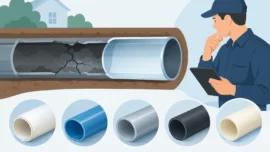
Watch for bad odours that persist even after clearing the chamber, gullies that empty slowly, or water levels rising in the nearest inspection chamber when appliances discharge. Damp ground, sunken paving or unexplained soft spots near the drainage run can indicate a cracked or collapsed pipe. In older properties across the North West, root ingress and ageing clay drainage are common enough that a recurring blockage should not be dismissed as bad luck.
When not to attempt DIY drain unblocking
There is a point where practical home maintenance becomes false economy. If the rods will not pass, if the chamber is full of sewage, or if you suspect a collapsed drain, forcing the issue can make clean-up harder and repair costs higher. The same applies where the blockage affects a tenanted property, commercial premises, or shared access areas where hygiene and duty of care matter.
Professional drainage contractors can usually identify the cause far more quickly with the right equipment. High-pressure water jetting clears stubborn grease, scale and debris more thoroughly than basic rodding, while a CCTV drain survey shows whether the pipe itself is sound. That matters because clearing the symptom without addressing a displaced joint, root ingress or fracture simply delays the next call-out.
For landlords and facilities teams, there is also the issue of documentation. Where repeated blockages, tenant complaints or insurance queries are involved, a clear record of inspection and remedial work is useful. A specialist contractor is better placed to provide that level of assurance.
Preventing the outside drain from blocking again
Good drainage maintenance is mostly about keeping the wrong materials out of the system. Leaves and moss should be cleared from external gullies regularly, especially in autumn and after storms. In kitchens, fat, oil and grease should never be washed into the drainage line, as they cool and harden surprisingly quickly.
It also helps to keep an eye on how the drain behaves during heavy rain. If surface water consistently ponds around a gully, the issue may be capacity, poor falls, or a partially restricted line rather than a one-off blockage. That is worth addressing early before water starts affecting brickwork, paving or internal floors.
For properties with older drains or a history of recurring issues, periodic inspection can be more cost effective than repeated emergency attendance. A CCTV survey is often the quickest way to confirm whether the system is basically sound or whether patch lining, repair or localised replacement would be the better long-term fix.
Choosing the right contractor if DIY is not enough
If you need help, look for a drainage specialist rather than a general handyman. The difference shows when a simple blockage turns out to be a deeper defect. You want a contractor who can clear the line, inspect it properly, explain the findings in plain English, and if needed carry out repair work with minimal disruption.
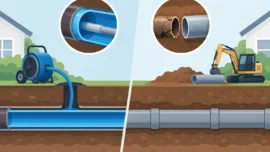
For homeowners, that means fast attendance, clear pricing and tidy completion. For landlords and commercial clients, it also means public liability cover, recognised accreditations where relevant, and a method of working that does not leave gardens, driveways or access routes unnecessarily disturbed. Where excavation is needed, modern no-dig repair methods can often reduce mess and shorten the job.
Watermains & Drains UK deals with both emergency drain unblocking and the follow-on work that sometimes sits behind it, from CCTV surveys to repairs, so customers are not left starting again with a second contractor if the problem proves more than a simple blockage.
Outside drains rarely block without a reason. If you clear the immediate issue and the water flows away cleanly, that is a good result. If the same problem keeps coming back, the smartest next step is not more force – it is getting the drain properly checked so the fix lasts.