Trenchless moling for water supply explained
If your water supply pipe needs replacing, the part most property owners worry about is not the pipe itself. It is the thought of trenches across the drive, dug-up paving, damaged lawns and the mess that follows. That is exactly why trenchless moling for water supply has become the preferred method for many homes and commercial sites where access, speed and reinstatement matter.
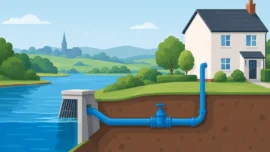
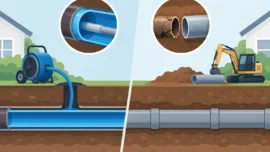
Moling allows a new underground water pipe to be installed with very little surface disturbance. Instead of opening a full trench from the boundary to the property, specialist contractors excavate small launch and reception pits and use a pneumatic mole to create the underground path. The new pipe is then pulled through along that route. In the right ground conditions, it is a fast, cost-effective way to replace old supplies or install a completely new connection without turning the whole front garden or driveway into a building site.
How trenchless moling for water supply works
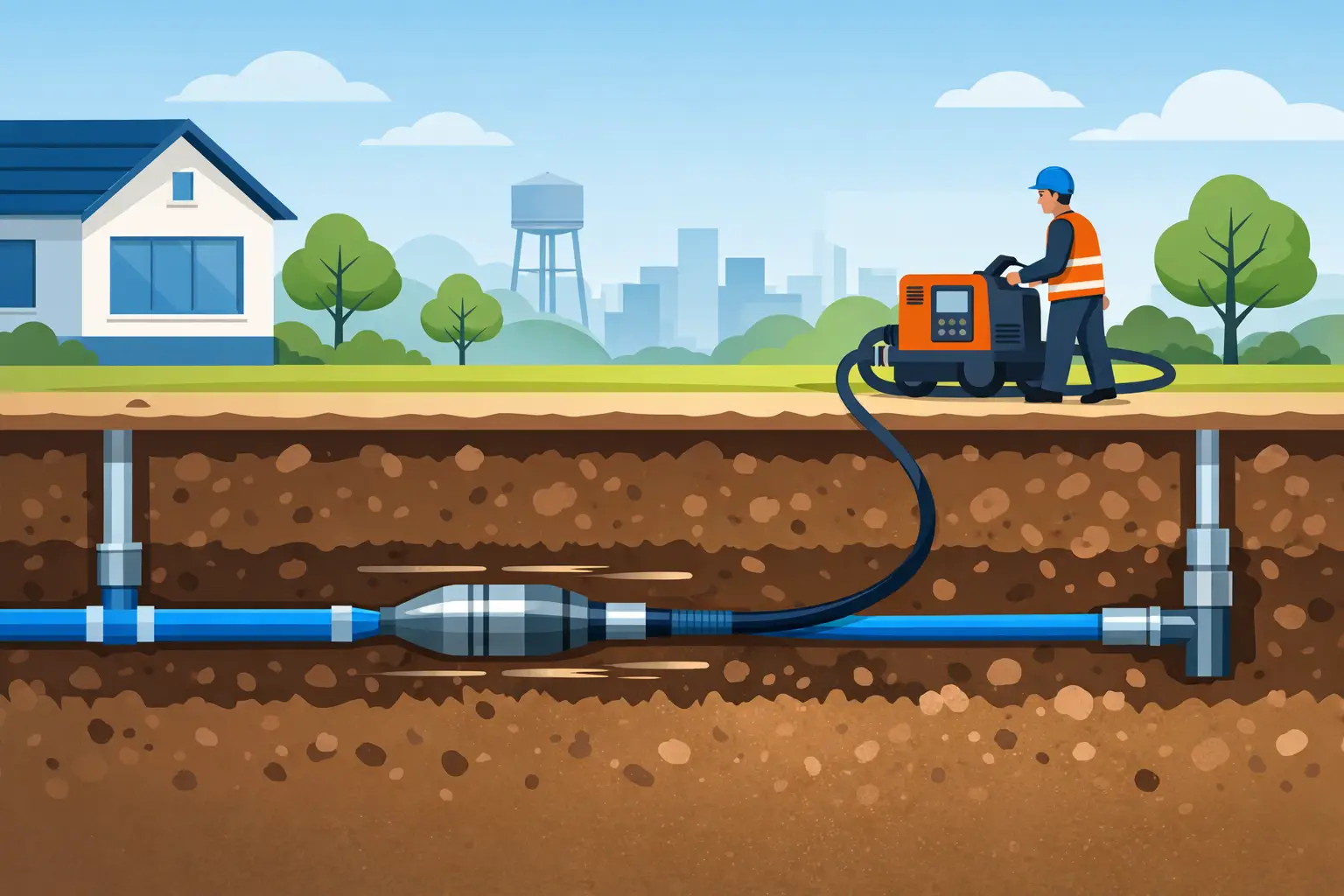
A moling machine is a compact, air-powered tool that drives through the ground in a straight line, creating a bore for the new pipe. The process starts with a survey of the route, the depth required and any likely obstructions. Small pits are dug at each end, usually one near the property and one near the connection point or stop tap area.
Once the route has been checked, the mole is launched underground. After it reaches the reception pit, the new water supply pipe is pulled back through the bore. The pipe is then connected, tested and commissioned, and the small excavations are reinstated.
For most domestic properties, the appeal is obvious. Instead of a long open trench across tarmac, block paving, concrete or landscaped areas, there are only limited excavation points. That reduces labour, cuts reinstatement work and keeps the site far tidier from start to finish.
Why homeowners and landlords choose moling
The main advantage is reduced disruption, but that is only part of the picture. If a property has a finished driveway, decorative paving, established planting or restricted access, traditional excavation can quickly become the most expensive part of the job. Not because digging is difficult in itself, but because putting everything back properly takes time and money.
Trenchless installation helps avoid that problem. In many cases, the new supply can be installed beneath gardens, paths and drives with minimal impact on the surface above. For landlords, that means less disturbance for tenants and fewer complaints about mess. For homeowners, it often means the difference between a straightforward upgrade and a project they have been putting off for years.
There is also a practical benefit around programme. A no-dig installation is often completed more quickly than an open-cut trenching job, particularly where reinstatement would otherwise be extensive. That matters when a leaking, undersized or ageing supply pipe is affecting water pressure or reliability.
When trenchless moling is the right option
Moling is particularly well suited to replacing old supply pipes, including lead pipe replacement projects, and installing new MDPE water service pipes from the boundary into the building. It is commonly used where the route crosses:
- driveways
- patios and paved areas
- lawns and gardens
- paths and hardstanding
It is also useful where a cleaner site is a priority, such as tenanted housing, schools, commercial premises and properties with limited room for excavation spoil.
That said, moling is not automatically the best method for every site. Ground conditions matter. A straightforward run through suitable soil is ideal, while heavily obstructed ground, very shallow services, large tree roots or certain buried structures can make the route more complicated. A good contractor will not force a trenchless method onto a site where excavation would be safer or more reliable.
Ground conditions, access and other limits
This is where experience makes a real difference. Moling works best when the route has been properly assessed and the contractor understands both the utility layout and the practical risks on site. Existing gas, electric, telecoms, drainage and other buried services all need to be considered before work starts.
In some locations, trial holes may be needed to confirm service positions and depths. On other sites, the presence of substantial obstructions can mean adjusting the route, changing the depth or recommending an alternative installation method. There are also occasions where horizontal directional drilling is better suited than standard moling, particularly on longer or more technically demanding runs.
For the customer, the key point is simple. The best outcome comes from choosing the method to suit the ground, not choosing the ground to suit the method.
What kind of pipe can be installed?
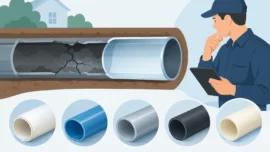
For domestic water supply upgrades in the UK, modern installations typically use MDPE pipework. This is durable, suitable for underground use and commonly specified for replacement water services. Where an older lead or galvanised supply is causing poor flow, leakage concerns or water quality worries, a new MDPE supply installed by moling can provide a long-term solution.
The exact pipe size and route depend on the property, the incoming main, demand levels and the water authority’s requirements. For a single dwelling, the specification is often straightforward, but larger homes, multi-occupancy buildings and commercial sites may need more planning around capacity, connection details and internal changeover works.
Why accreditation and compliance matter
A water supply installation is not just another digging job. It involves compliance, correct materials, proper testing and connection standards. That is why approvals such as WIAPS and Watersafe matter when appointing a contractor. They provide reassurance that the work is being carried out by specialists who understand water regulations and accepted installation practice.
For homeowners, that means less guesswork and lower risk. For landlords and commercial property managers, it helps with records, compliance and confidence that the installation will meet the required standard. Insurance cover and workmanship guarantees also matter, especially where finished surfaces, occupied buildings or business operations are involved.
A low quote can look attractive until reinstatement is poor, pipe depth is wrong or the job stalls because the contractor is not set up to manage the water supply side properly. In practice, dependable delivery is often worth more than shaving a little off the initial cost.
Cost, speed and what affects the quote
One reason customers ask about trenchless methods is the expectation that no-dig always means cheaper. Sometimes it does, but not always in the simplest sense. The installation cost itself may be similar to or slightly different from open-cut excavation depending on distance, access and ground conditions. The real saving often comes from avoiding extensive reinstatement.
If a traditional trench would cross block paving, patterned concrete, resin, mature landscaping or a busy access route, the reinstatement bill can be significant. In those cases, moling can offer much better value overall. It can also reduce the hidden costs of disruption, especially for rental properties and commercial premises where access needs to be maintained.
Quotes are usually shaped by route length, pipe size, access, ground conditions, connection arrangements and whether internal alterations are needed. The clearest way to price the job properly is through a site visit or survey rather than guesswork over the phone.
Choosing a contractor for trenchless water pipe installation
The method may be modern, but the basics of good contracting still apply. You want a specialist who can assess the route properly, explain whether moling is suitable, identify likely issues early and complete the work cleanly. Communication matters as much as equipment. Customers want to know what will happen, how long it will take and what the site will look like afterwards.
It is also worth asking about guarantees, public liability insurance and experience with reinstatement-sensitive sites. A contractor who regularly handles lead pipe replacement, new water supplies, leak investigation and trenchless installation is more likely to spot problems before they become delays.
For property owners in the North West, that local knowledge can be just as valuable as the machinery. Ground conditions, access constraints and authority requirements vary from job to job, and there is no substitute for a team that deals with these issues every week.
A practical solution when disruption needs to stay low
Trenchless moling for water supply is not a sales gimmick and it is not suitable for every single site. What it offers, when conditions are right, is a simpler way to get essential pipework installed with less digging, less mess and less reinstatement. For many homeowners, landlords and commercial sites, that is the difference between a disruptive civil works project and a controlled, professional installation.
If your current supply pipe is leaking, made of lead, suffering from poor pressure or simply due for replacement, it is worth asking whether a trenchless route is possible. A proper assessment will tell you quickly. Companies such as Watermains & Drains UK carry out these installations with the focus customers actually care about – fast quoting, tidy work, minimal disruption and a result that lasts.
The best water supply jobs are usually the ones that solve the problem without leaving the property looking like one.