How to Choose Water Industry Approved Contractors
When a water pipe fails under a driveway or a lead supply needs replacing before a sale completes, the wrong contractor can cost you twice – once in the initial work, and again in delays, reinstatement, or rejected connections. That is why approvals matter.
For homeowners, landlords, and property managers, the phrase water industry approved contractors usually comes up at the point where the job has become serious. It might be a leak on a private supply pipe, a new connection for an extension, or drainage work where disruption needs to be kept to a minimum. At that stage, you do not just need somebody with a van and a breaker. You need a specialist who can carry out the work properly, meet the relevant standards, and leave the site in good order.
What water industry approved contractors actually means
In simple terms, water industry approved contractors are contractors who hold recognised approvals or accreditations relevant to work on water supply systems. In the UK, that often means schemes such as WIAPS and Watersafe, depending on the type of work being carried out.
Those approvals are not just marketing badges. They are there to show that the contractor understands the regulations, materials, installation standards, and testing requirements involved in water supply work. That matters because work on pipework is not purely about getting water from one point to another. It also affects water quality, compliance, future maintenance, and whether the work will be accepted by the relevant parties.
For a homeowner, that may mean confidence that a lead pipe replacement has been installed to the correct standard. For a facilities team, it may mean the contractor can provide the documentation, method statements, and professional assurance needed for occupied or sensitive sites.
Why approvals matter on private water supply work
A lot of customers assume approvals only matter for major infrastructure projects or works carried out directly by the utility. In practice, they matter just as much on domestic and small commercial jobs.
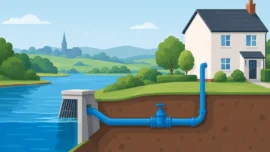
If you are replacing an old supply pipe, installing a new water main, or altering a connection, the work needs to be done to recognised standards. If it is not, you risk poor flow, contamination issues, avoidable leaks, or additional remedial work later on. In some cases, poor workmanship only becomes obvious after the ground has been reinstated, which makes correction far more disruptive and expensive.
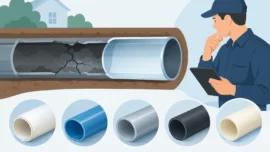
Approved contractors reduce that risk because they are working within an established framework. They know the correct pipe materials, burial depths, insulation requirements, and commissioning processes. They also understand the difference between a quick fix and a proper long-term solution.
That does not mean every approved contractor is identical. Experience, methods, communication, and site standards still vary. But approvals are a sensible starting point, especially where compliance and reliability matter.
Water industry approved contractors and drainage work
This is where a bit of care is needed. Water industry approvals are particularly relevant to clean water supply installations and related works. Drainage is a separate discipline, although there is often overlap in the type of contractor customers call.
A specialist contractor working across both water supply and drainage should be able to explain clearly which approvals apply to which service. That is a good sign. It shows they understand the difference between regulated water supply work and drainage repairs, surveys, or unblocking.
If you are dealing with blocked drains, patch lining, CCTV drain surveys, or damaged underground drainage, the right questions are more about experience, equipment, reinstatement quality, insurance, and response times. If the same contractor also handles water supply installations, that can be useful because it means you are dealing with one supplier for related underground infrastructure problems rather than trying to coordinate multiple trades.
What to look for beyond the approval itself
An approval should never be the only reason you appoint a contractor. It should sit alongside practical evidence that they can deliver the job cleanly and with minimum disruption.
The first thing to look at is specialism. A contractor focused on underground water and drainage infrastructure is usually a safer choice than a general builder taking on occasional pipework. Ground conditions, existing services, reinstatement standards, and access constraints all need planning before the first excavation starts.
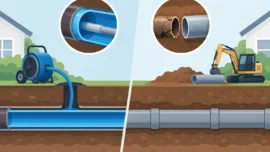
The second is method. Traditional excavation is sometimes necessary, but it is not always the best answer. Modern trenchless methods such as moling and HDD can often install or replace pipework with far less disturbance to driveways, gardens, paths, and paved areas. For occupied homes, rental properties, schools, care settings, or commercial premises, that reduction in disruption can be the difference between a manageable job and a major headache.
The third is accountability. Proper insurance, written guarantees, and clear scope of works matter. If a contractor is confident in their process, they should be able to explain what is included, how reinstatement will be handled, and what happens if they uncover an issue once the ground is opened.
Questions worth asking before you book
The best contractors make this easy. They do not hide behind jargon, and they do not expect customers to know the technical detail.
Ask what approvals they hold and whether those approvals are relevant to your specific job. Ask who will carry out the work, not just who priced it. Ask whether the installation will be excavated traditionally or completed using no-dig methods where suitable. Ask how they will protect surfaces, what reinstatement is included, and how long the work is likely to take.
If you are a landlord or property manager, also ask about access arrangements, tenant communication, and whether they can work around occupied buildings with minimal disruption. If the site is commercial, it is sensible to ask for insurance limits and any health and safety paperwork needed before works start.
A good answer is usually a straightforward one. If the contractor becomes vague when discussing standards, approvals, or reinstatement, it is worth pausing there.
When the cheapest quote is not the best value
Underground works can look similar on paper but differ a lot in execution. One quote may allow for proper materials, pressure testing, clean reinstatement, and a trenchless installation method. Another may look cheaper because it leaves out key elements or assumes a more basic approach.
That is why value matters more than headline cost. A slightly higher price from a specialist contractor can still be the better decision if it means faster completion, less mess, fewer return visits, and a lower risk of future failure.
This is especially true where the work affects access, hard landscaping, or business operations. Digging across a finished driveway or disrupting a tenanted property often creates hidden costs that do not appear in the first quote. An experienced contractor will usually discuss those trade-offs early, rather than waiting until the job is underway.
Why local knowledge still counts
Approvals and accreditations are important, but so is practical local delivery. Ground conditions, property types, access restrictions, and utility layouts vary across the North West. Contractors who regularly work in areas such as Manchester, Stockport, Warrington and Cheshire tend to understand the common issues that affect both older housing stock and busier commercial sites.
That local experience often shows up in the parts customers care about most – realistic scheduling, quicker site visits, cleaner reinstatement, and better communication when an urgent problem needs attention. For reactive work such as leaks or blocked drains, response time is not a minor detail. It can prevent further property damage and reduce downtime for occupants.
For customers comparing options, a specialist firm such as Watermains & Drains UK brings that combination of water industry approvals, trenchless capability, and practical delivery focus that many general contractors cannot match.
Choosing with confidence
The right contractor should make the process feel clearer, not more complicated. You should come away understanding what needs doing, why that method has been recommended, how disruption will be managed, and what assurance sits behind the work.
That is the real value of using water industry approved contractors. It is not only about compliance. It is about getting a dependable result from people who know how to work safely, professionally, and with respect for your property.
If you are planning a lead pipe replacement, new water supply installation, leak repair, or related underground works, choose the team that can prove both approval and practical competence. The ground will be opened only once, so it is worth getting the job done properly the first time.