Drain Camera Inspection Review: What Matters
A blocked toilet that keeps returning, a gully that backs up in heavy rain, or damp smells around the kitchen waste line usually means one thing – guessing is no longer good enough. A proper drain camera inspection review helps you understand whether a survey is likely to save time and money, or simply add another call-out without clear answers.
For homeowners, landlords and facilities teams, the real question is not whether a camera can go into a drain. It is whether the inspection gives you a reliable basis for the next decision. If a contractor is recommending a repair, patch lining, excavation or a full replacement, the quality of the survey matters just as much as the repair itself.
What a drain camera inspection actually does
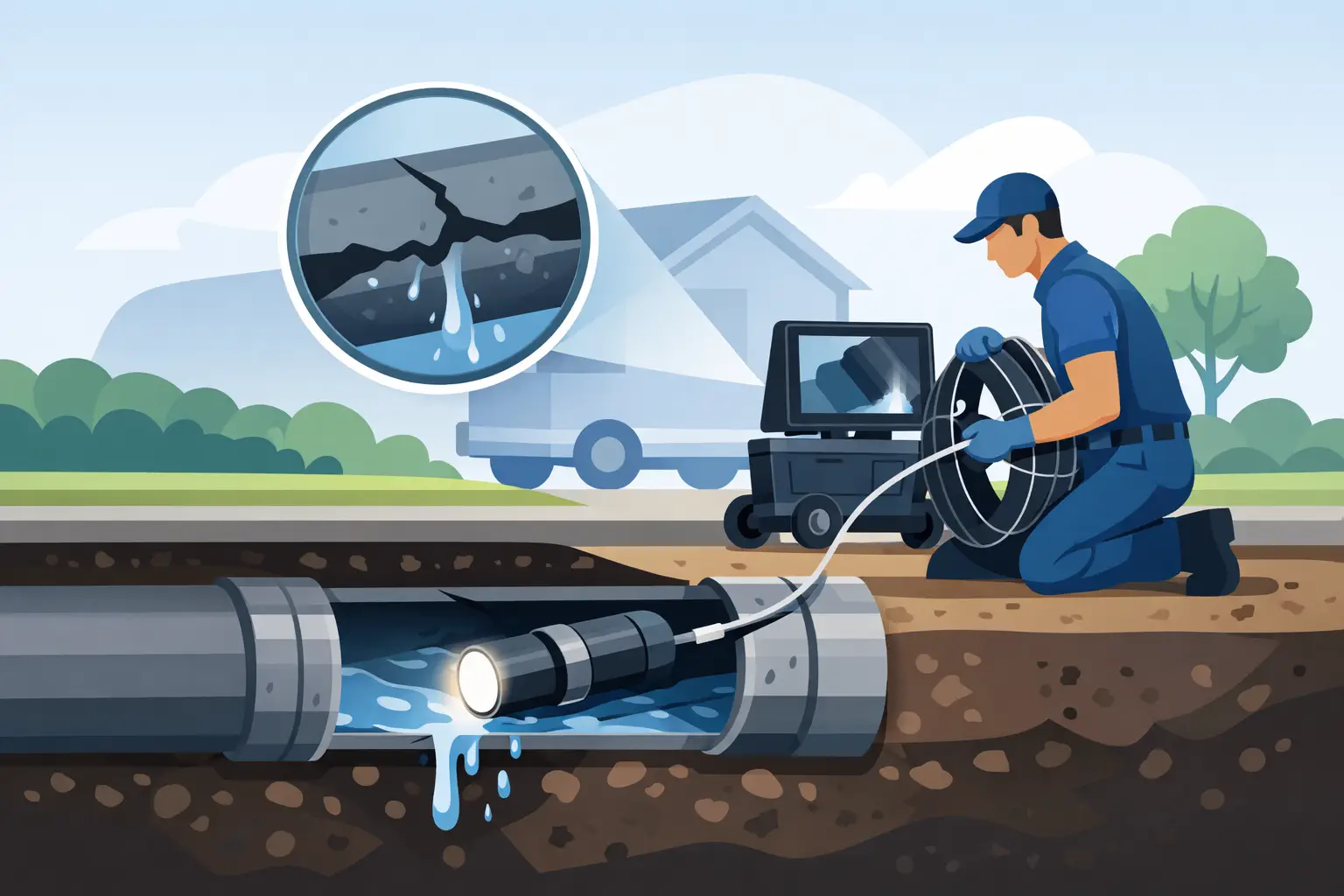
A drain camera inspection, often called a CCTV drain survey, sends a specialist camera through the drainage system to record the condition of the pipework from the inside. It can show blockages, displaced joints, root ingress, cracks, scale build-up, collapses and poor previous repairs. In many cases, it also confirms whether the issue is isolated to one section or part of a larger problem affecting the line.
That sounds straightforward, but there is a difference between putting a camera down a drain and carrying out a survey that is genuinely useful. A proper inspection should do more than produce video footage. It should help identify the defect, estimate its location, and guide the least disruptive and most cost-effective repair method.
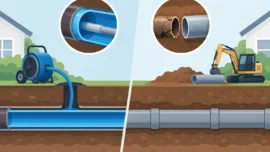
For example, if the issue is a localised crack in an otherwise serviceable line, a no-dig patch repair may be enough. If the camera shows a collapsed section or severe deformation, excavation could still be necessary. The value of the inspection is in narrowing down the right remedy before unnecessary work starts.
Drain camera inspection review: when it is worth booking
Not every drainage problem needs a full camera survey on day one. If a simple blockage is cleared quickly and performs normally afterwards, a survey may not be essential. On the other hand, repeated blockages, slow drainage in multiple fixtures, foul odours, subsidence concerns or signs of structural damage are strong reasons to investigate properly.
It is also worth booking when buying a property, managing tenanted homes, handling insurance-related drainage concerns or checking the condition of older pipework. In those situations, the camera inspection is not just about today’s blockage. It is about reducing uncertainty before a bigger cost lands later.
For landlords and commercial sites, this matters even more. Repeat attendances for the same issue cost money, disrupt tenants or operations, and create avoidable frustration. A good survey can move matters from reactive guesswork to planned repair.
What a good survey should include
A useful drain camera inspection review has to look beyond the phrase CCTV survey and focus on what is actually delivered. The best inspections combine clear footage with practical interpretation. You should expect the findings to explain what the defect is, where it is, how severe it appears to be, and what action is sensible next.
Location is especially important. Knowing there is damage somewhere in the line is only half the job. Knowing whether it sits under a flower bed, driveway, extension, public footpath or internal floor makes a major difference to cost, access and disruption.
The reporting also needs to be plain enough for a homeowner to understand, but detailed enough for a landlord, insurer or facilities manager to rely on. If the outcome is simply a vague statement that the drain is damaged, that is not much use. A competent contractor should be able to explain whether the defect is urgent, whether it is likely to worsen, and whether trenchless repair is a realistic option.
What camera inspections do well – and what they do not
Camera surveys are excellent for seeing internal drainage defects without digging first. That is the main advantage. They reduce guesswork, avoid unnecessary excavation and often allow faster planning of remedial work.
They are particularly effective for finding root ingress, cracked joints, scale build-up, displaced connections and sections that are holding water because of poor falls. In many cases, they also help prove that a blockage is a symptom of pipe damage rather than a one-off misuse issue.
But there are limits. A camera can only see where it can physically travel and where conditions allow a clear view. Heavy debris, standing water, severe blockages or collapsed sections can prevent a full inspection. Pipe condition may also appear worse or better on camera depending on lighting, access and the amount of cleaning done beforehand.
That is why a survey sometimes needs jetting or mechanical cleaning first. It is not a sign the inspection has failed. It is often the correct preparation for getting an accurate result. Still, it is worth asking whether the quote includes pre-cleaning, because this can affect both time and cost.
Common findings and what they usually mean
The most common result is a blockage caused by wipes, fats, scale or foreign objects. If the pipe itself is sound, clearance and routine maintenance may be all that is needed.
Cracks and open joints are another regular finding, especially in older systems. These can allow water to escape and tree roots to enter. If the damaged area is short and accessible from existing chambers, patch lining can often provide a tidy repair with less disruption than digging.
Root ingress is common where joints have deteriorated over time. Cutting the roots out will restore flow in the short term, but if the point of entry is not repaired, the issue can return. That is where the inspection becomes useful – it helps separate a temporary fix from a durable one.
A more serious result is a displaced or collapsed pipe. In that case, no-dig options may still be possible in some situations, but not always. This is one of those areas where it depends on the pipe shape, depth, access and extent of damage. Any honest review of drain camera inspections should say that cameras improve decision-making, but they do not guarantee that every repair can be done without excavation.
How to judge the quality of the contractor, not just the camera
The camera matters less than the operator. Modern equipment is widely available, but interpretation, reporting and repair advice vary a great deal.
A specialist drainage contractor should be able to explain the findings in practical terms and connect them to a realistic repair plan. They should also think about site impact. If a defect can be resolved with patch lining or another no-dig method, that should be considered before recommending full excavation through drives, paving or landscaped areas.
For property owners, reassurance often comes from the wider picture. Accreditations, insurance cover, clear quotations, professional reporting and long workmanship guarantees all reduce risk. If a contractor can inspect, explain and then carry out the repair with minimal disruption, that is usually far more valuable than splitting the job between several firms.
This is where specialist contractors such as Watermains & Drains UK tend to stand apart from general trades. The drainage survey is not treated as a stand-alone gadget service. It is part of diagnosing the problem properly and getting to the right fix with the least disruption possible.
Drain camera inspection review: the trade-offs on cost
People often ask whether a camera inspection is worth paying for when they already know there is a drainage problem. In many cases, yes – especially where issues are recurring, structural or linked to property damage. Spending on a survey can prevent spending far more on unnecessary excavation or repeated emergency visits.
That said, there are situations where it may be more efficient to clear a straightforward blockage first and only survey if symptoms return. A good contractor should say so. The right approach depends on the age of the system, the nature of the symptoms and whether there are signs of pipe failure rather than simple obstruction.
If you are comparing quotes, check what is included. Some inspections cover only basic camera access and footage. Others include cleaning, tracing, reporting and repair recommendations. The cheapest option is not always the one that leaves you with the clearest answer.
What to ask before you book
Before agreeing to a survey, ask whether the line may need cleaning first, whether you will receive a written report, how defects will be located above ground, and whether the contractor can also carry out repairs if a fault is found. It is also sensible to ask how disruptive the next step is likely to be if damage is confirmed.
These questions matter because the inspection is only useful if it leads to a clear and workable outcome. If the answer to every finding is simply dig it up, the survey has limited value. If the contractor can explain options such as targeted repair, patch lining or replacement only where necessary, you are in a much better position.
The best time to book a camera survey is usually when the problem has become repeatable or when the consequences of getting it wrong are high. At that point, certainty is worth more than another temporary fix, and a well-carried-out inspection can be the step that turns an ongoing nuisance into a proper solution.