Leak Detection: Signs, Causes and Next Steps
A damp patch that keeps coming back. A water bill that has jumped for no clear reason. Low pressure at the tap, or the sound of running water when everything is switched off. In most cases, leak detection starts with one of these small warning signs rather than a dramatic burst pipe. Acting early usually means less damage, less disruption and a simpler repair.
For homeowners, landlords and property managers, the difficulty is not always knowing whether there is a leak. It is knowing where it is, how serious it is, and whether finding it will mean digging up a driveway, opening walls or disrupting tenants. That is why professional leak detection matters. The aim is to locate the source accurately, confirm the condition of the pipework or drainage involved, and plan the most practical repair with the least disruption.
What leak detection actually involves
Leak detection is the process of tracing unwanted water loss in supply pipes, internal plumbing or drainage systems. The method depends on the type of property, the layout of the pipework and the symptoms on site.
A hidden leak on a mains supply pipe will behave differently from a leaking underground drain. Clean water leaks often show up as pressure loss, unexplained meter movement or saturated ground. Drainage leaks can present as foul odours, slow flows, subsidence, staining or recurring blockages. The right investigation starts by narrowing down which system is at fault.
This is where experience matters. A specialist contractor will not treat every leak the same way. They will assess whether the issue is likely to be on the incoming water main, a private supply pipe, an internal pipe run, or the drainage side. That avoids wasted time and unnecessary excavation.
Common signs you may need leak detection
Some leaks are obvious. Many are not. Underground supply pipe leaks can continue for weeks before there is any visible pooling, particularly if the water is dispersing into surrounding ground.
The most common signs include higher-than-usual water bills, reduced flow or pressure, damp areas on floors or walls, mould growth, soft or sunken patches outside, and the sound of water movement when no fixtures are in use. On commercial sites, you may also notice repeated top-ups, unexplained consumption patterns or complaints from occupiers about inconsistent supply.
It depends on the location of the leak. A pipe leak beneath a driveway may leave very little visible evidence at first, while a leak under suspended flooring can create staining and odour surprisingly quickly. If the problem is on an older lead or MDPE supply pipe, material condition can also be part of the issue rather than just a single split or failed joint.
Why hidden leaks are more expensive than they look
A small leak rarely stays small in terms of cost. Water escaping underground can wash away fine material, soften sub-bases and affect paths, paving and foundations. Inside a building, long-term moisture can damage plaster, flooring, decorations and stored contents.
There is also the cost that does not show up on the invoice straight away. Tenants may be inconvenienced. Commercial premises may have operational disruption. Insurance claims can become more complicated if there has been a delay in reporting or investigating the issue. Early leak detection reduces that risk because it turns guesswork into evidence.
How professional leak detection is carried out
The first stage is usually straightforward site assessment. This includes speaking to the occupier or facilities contact, checking the property layout, reviewing symptoms and identifying the likely route of the affected pipework or drain.
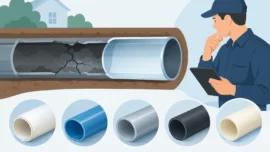
From there, the investigation may involve pressure testing, meter checks, acoustic methods, tracer techniques or CCTV survey work, depending on the suspected source. Clean water leaks and drainage defects require different approaches. A supply pipe leak is often traced by isolating sections and identifying pressure loss or listening for the leak path. Drain issues are more commonly assessed with CCTV to confirm cracks, displaced joints, root ingress or failed connections.
The important point is accuracy. Good leak detection is not just about finding water. It is about finding the exact defect, or narrowing it down enough to repair the right section first time. That is what keeps costs under control and limits disruption on site.
Leak detection for supply pipes
Private water supply pipes are a common source of hidden leaks, especially on older properties. If you have low pressure, rising consumption or wet ground between the boundary and the building, the incoming supply is often the first place to investigate.
Older pipe materials can be more vulnerable to age-related failure, movement in the ground or poor historic repairs. In some cases, the most cost-effective solution is not a local patch repair but a full replacement of the affected supply pipe. That can be particularly true where lead pipework is still in use, or where repeat leaks suggest the line has reached the end of its service life.
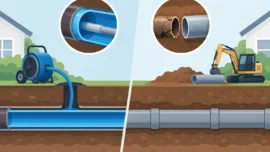
This is where modern installation methods make a difference. If a leak is confirmed on an underground supply pipe, trenchless techniques such as moling can often install a new line with far less disturbance than traditional excavation. Instead of opening up the full route across gardens or driveways, access pits are used to keep the work tidy and efficient.
Leak detection for drains and underground waste pipes
Not every leak relates to the clean water side. Drains can leak too, and the signs are often less direct. You may see repeated blockages in the same run, smell foul odours outside, notice damp patches around inspection chambers, or find sections of ground becoming unstable.
In these cases, a CCTV drain survey is usually the clearest way to identify the problem. It shows whether the issue is a crack, displaced joint, collapsed section or root ingress. It also helps decide whether the drain can be repaired with a localised patch lining or whether excavation is genuinely required.
That distinction matters. Some defects can be resolved with no-dig repair methods that avoid major reinstatement. Others need a more direct excavation-led repair because the pipe has collapsed or the line has been badly displaced. A reliable contractor should explain that trade-off plainly rather than pushing one method for every job.
What to expect from a specialist contractor
When you call in a contractor for leak detection, you should expect more than a rough opinion. You need a clear diagnosis, practical options and a realistic route to repair.
For domestic customers, that means straightforward advice, transparent quoting and a tidy approach on site. For landlords, managing agents and commercial clients, it also means dependable attendance, documentation where needed, and confidence that the contractor understands reinstatement, compliance and the need to minimise disruption for occupiers.
This is one reason customers often prefer a specialist civil and drainage contractor over a general plumber for external and underground leak issues. The investigation is only one part of the job. The real value is in being able to locate the fault and then carry out the repair, replacement or reinstatement properly.
When repair is enough, and when replacement makes more sense
There is no one answer for every leak. A localised repair can be the right call where the pipe is otherwise in good condition and the failure is isolated. It is usually quicker and cheaper in the short term.
But if the pipe is ageing, made from outdated material, or has already leaked more than once, replacement can be the better long-term decision. This is especially true for lead supply pipes or older external water lines where future leaks are likely. Paying for repeated investigations and reactive repairs often costs more over time than replacing the line once and having confidence in it.
A good contractor will talk through both options honestly. The cheapest immediate fix is not always the best value.
Choosing the least disruptive solution
Property owners are often less worried about the leak itself than the mess they expect while it is being found and fixed. That concern is understandable. Traditional excavation can affect paving, landscaping, access routes and day-to-day use of the property.
Modern leak detection and trenchless repair methods reduce that impact significantly where conditions allow. Accurate tracing means less exploratory digging. No-dig installation and repair options can keep surfaces intact or limit the area that needs reinstatement. For busy homes and occupied sites, that can make a major difference to timescales and overall cost.
For customers across the North West, Watermains & Drains UK focuses on that practical outcome – finding the problem quickly, recommending the right repair, and completing the work with as little disruption as possible.
If you suspect a leak, the most useful next step is not to wait for clearer evidence. Small signs are often enough to justify a proper investigation, and early action usually gives you more repair options, cleaner works and a better result.