Your Water Main, Drainage & Trenchless Solution Specialists

News

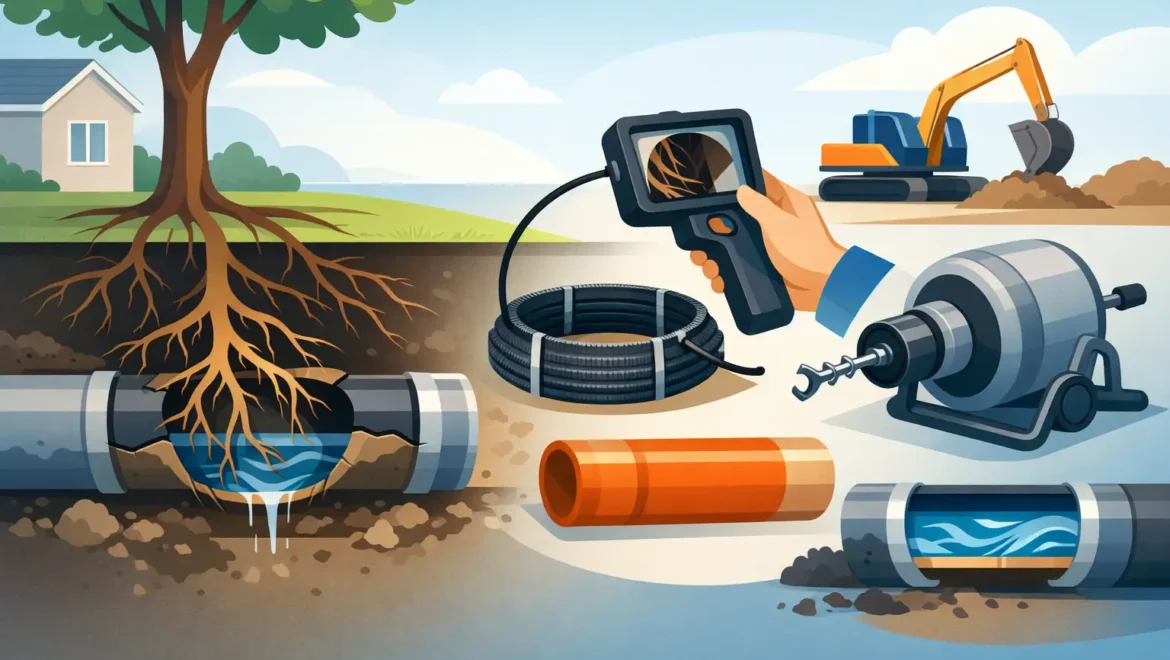
Best Drain Repair Options for Root Ingress
Blog

Best Drain Repair Options for Root Ingress

A drain can seem fine for months, then suddenly start backing up after heavy rain, gurgling at the gullies, or leaving slow-draining sinks and foul smells around the property. When a CCTV survey shows roots inside the pipe, the next question is usually the same: what actually needs repairing, and how much disruption will it cause?

Root ingress is common in older drainage systems across the UK, especially where pipes have aged joints, minor cracks or displaced sections. Tree roots do not usually break into a perfect pipe on their own. They exploit a weak point, then expand as they search for moisture and nutrients. That means removing the roots is only part of the job. The real fix is choosing the right repair method for the condition of the drain.

Understanding tree root ingress drain repair options

The best tree root ingress drain repair options depend on three things: how severe the damage is, what the pipe is made from, and whether access allows a no-dig repair. In many cases, the least disruptive solution is not full excavation. Just as importantly, the cheapest short-term option is not always the most cost effective once repeat blockages are factored in.

A proper diagnosis usually starts with a CCTV drain survey. This shows whether roots have entered through a small joint gap, a fracture, a collapsed section, or multiple defects along the run. It also helps identify whether the issue is localised or part of a wider drainage problem. For homeowners, that means clearer quoting. For landlords and commercial property managers, it means the repair method can be matched to the asset condition rather than guessed.

Why root ingress keeps coming back

If roots are simply cut out and nothing else is done, they often return. The opening in the pipe remains, moisture is still present, and the root mass continues to grow externally. Mechanical root cutting can restore flow quickly, but on its own it is usually a holding measure rather than a full repair.

That is why experienced drainage contractors look beyond the blockage itself. The priority is to restore the pipe structurally, seal the entry point, and do it with the least disruption practical for the site. On a driveway, in a landscaped garden, or beneath a commercial access route, that choice matters.

Root cutting and drain cleaning

Where the pipe is still structurally serviceable, the first stage is often root removal using specialist cutting heads or high-pressure water jetting. This clears the obstruction and allows a better inspection of the host pipe once the root mass has been removed.

This option is useful when a customer needs immediate relief from backing-up drains, but it should not be mistaken for a permanent cure unless the follow-on repair is also completed. It works best as part of a wider repair plan, not as the end result. If the defect is minor and highly localised, the next step may be a patch repair or lining rather than excavation.

Localised patch lining

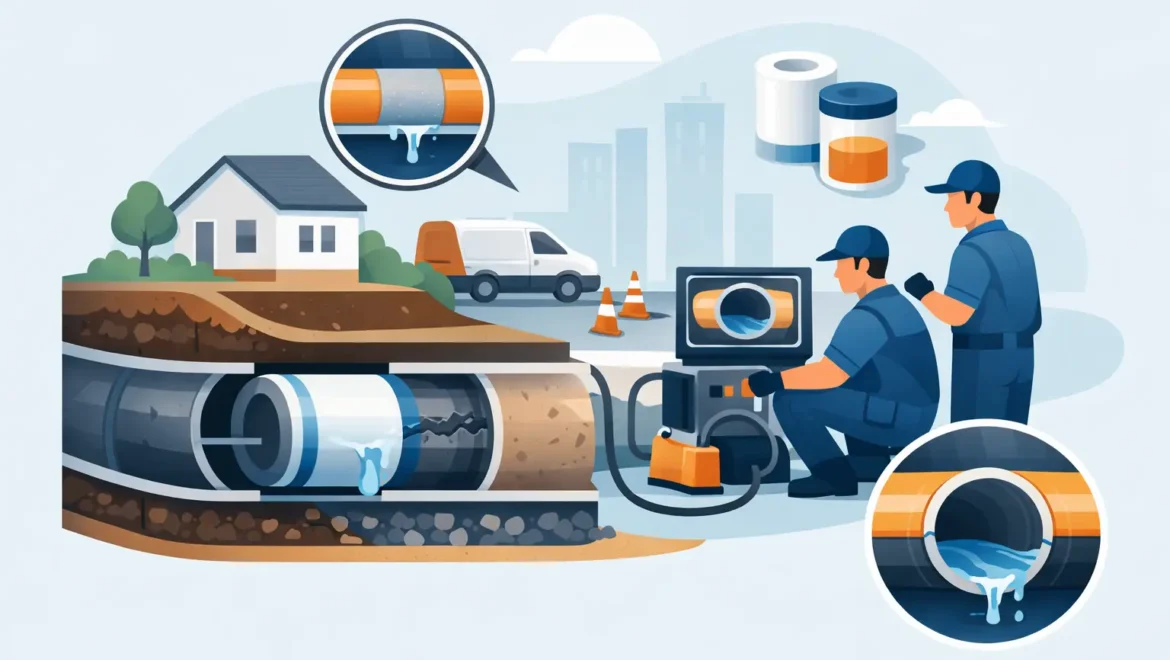
For many properties, patch lining is one of the most practical tree root ingress drain repair options. A resin-impregnated liner is inserted into the drain and positioned over the damaged section. Once cured in place, it forms a new sealed section within the existing pipe.

This is especially effective where roots have entered through one or two isolated cracks or displaced joints. It avoids digging up long runs and can often be completed from existing access chambers. For homeowners, that usually means less mess and faster completion. For commercial sites, it can reduce downtime and limit disruption to parking areas, footpaths or service yards.

That said, patch lining has limits. If the pipe is heavily deformed, badly collapsed, or affected over a long distance, a short repair sleeve may not be enough. The survey findings need to support it.

Full drain lining

Where defects extend along a longer stretch of pipe, full structural lining can be the better option. This no-dig method creates a continuous liner inside the existing drain, sealing cracks, poor joints and root entry points across a greater length.

In the right conditions, full lining provides an efficient repair with minimal excavation. It is often a strong choice where there are repeated root ingress issues on older clay drains that are otherwise still broadly intact. The advantage is clear: one installation can address multiple weak points at once rather than dealing with them one by one.

The trade-off is that lining slightly reduces the internal diameter of the pipe. In most domestic drainage systems this is not a problem, but the drain still needs to be correctly assessed for flow and condition first. If there is a major collapse or severe displacement, lining may not be suitable without preparatory work.

Excavation and traditional drain replacement

Sometimes excavation is simply the right answer. If a section of drain has collapsed, if there is significant deformation, or if root damage is so extensive that the pipe cannot reliably support a liner, excavation and replacement may be the only sound repair.

This tends to be more disruptive than trenchless methods, but local excavation of one failed section is still very different from replacing an entire run. A specialist contractor should aim to keep excavation targeted, reinstate properly, and avoid unnecessary disturbance to the surrounding area.

Traditional repair can also make sense where the damaged section is shallow, easy to access, and unlikely to affect paving, structures or mature landscaping. In those situations, the cost difference between digging and no-dig methods may be smaller than people expect. The right choice depends on location, depth and reinstatement requirements, not just the pipe defect itself.

When a full drain replacement is worth considering

If CCTV inspection shows repeated faults across the system, multiple intrusions, poor historical repairs or ageing pipework near the end of its serviceable life, piecemeal repairs can become false economy. A fuller replacement may offer better long-term value, especially for landlords dealing with recurring tenant reports or commercial sites where repeat attendance is disruptive.

This is where a clear condition-led recommendation matters. There is no benefit in selling a major replacement if a local trenchless repair will solve the issue properly. Equally, there is little value in carrying out isolated patches on a drain that is failing in several places. Good drainage advice is practical, not generic.

Choosing the right repair for your property

The best repair method is influenced by more than the drain itself. Access restrictions, surface finishes, urgency, budget and future plans for the property all play a part. A root ingress problem under a block-paved driveway calls for a different approach from a damaged drain in open garden ground. A rental property with active tenant complaints may prioritise speed and reliability. A commercial site may need method statements, scheduling around operations and clear reinstatement standards.

For that reason, quotes should be based on survey evidence and site conditions, not guesswork. The right contractor will explain what the camera has found, which options are suitable, and where a lower-cost repair may only be temporary. That allows the customer to make an informed decision rather than facing repeated call-outs.

Preventing root ingress after repair

Once the drain has been repaired, preventing recurrence is mostly about ensuring the entry point has genuinely been sealed and the pipe has enough structural integrity to resist further intrusion. Cutting back roots externally can help in some situations, but it is not always practical or advisable, particularly with mature trees subject to legal protection or close to buildings.

The better approach is usually to repair the drain correctly and monitor if needed. Follow-up CCTV checks may be sensible on higher-risk systems or where there has been a history of repeated blockage. For many customers, a durable no-dig repair gives the balance they want: minimal disruption now, with a reliable result that reduces the chance of the same problem returning.

Getting a repair that lasts

When comparing tree root ingress drain repair options, the key is not just removing the blockage. It is choosing a repair that suits the actual condition of the pipe and the realities of the site. In many cases, that means a no-dig solution such as patch lining or full lining. In others, a targeted excavation is the correct and more durable choice.

At Watermains & Drains UK, the focus is on identifying the defect properly, recommending the least disruptive effective repair, and completing the work to a professional standard with clear quoting and tidy reinstatement. If your drains are showing signs of root ingress, the most useful next step is a proper survey and a repair recommendation based on evidence, not assumption.

A blocked drain is frustrating enough once. If roots are the cause, a repair that deals with the defect as well as the symptoms is usually the option that saves the most time, cost and disruption over the long run.
Patch Lining Drain Repair Explained
Blog

Patch Lining Drain Repair Explained

A cracked drain under a drive or patio used to mean one thing – digging. For many property owners, that is the part they worry about most. Not just the repair bill, but the mess, the delay, and the disruption to access, tenants, customers, or everyday life.

That is exactly where patch lining drain repair comes into its own. When the damage is localised rather than spread through the full drain run, it can often be repaired internally with no need to excavate the whole area above. Done properly, it is a fast, clean, and cost-effective way to restore a pipe and keep disruption to a minimum.

What patch lining drain repair actually is

Patch lining is a no-dig drain repair method used to fix isolated defects within an existing pipe. Instead of replacing the full drain line, a specialist resin-impregnated patch is positioned over the damaged section from inside the pipe. Once in place, it is inflated, bonded to the host pipe, and left to cure. The result is a new structural lining over the defect that seals cracks, small fractures, displaced joints, and minor areas of infiltration.

In practical terms, it is a targeted repair rather than a full reline. That makes it particularly useful when a CCTV drain survey shows one or two problem areas in an otherwise serviceable drainage system.

For homeowners, that can mean avoiding excavation across a driveway, lawn, extension approach or decorative paving. For landlords and commercial sites, it often means less downtime and a quicker return to normal use.

When patch lining is the right solution

Patch lining drain repair is best suited to local defects. Common examples include a crack in a clay pipe, a leaking joint, root ingress at one connection point, or a small section of pipework weakened by age or movement.

If the surrounding drain is still in reasonable condition, patch lining can be the simplest option. It avoids replacing more pipe than necessary, which helps keep costs under control and limits disturbance to the property.

Typical defects it can address

A properly specified patch liner can often deal with isolated cracks, open joints, minor deformation, water ingress and root entry points. It is also used where a short section has started to deteriorate but the rest of the line remains structurally sound.

This is why a survey matters. The decision should not be based on guesswork. A CCTV inspection shows the exact location, condition, and extent of the fault so the repair method matches the actual problem.

When it may not be enough

Patch lining is not the answer to every drain issue. If a pipe has collapsed, if there are repeated defects across a long run, or if the drain has major displacement or heavy deformation, a local patch may only be a temporary improvement. In those cases, full lining or excavation may be the better long-term repair.

That is the trade-off. Patch lining is excellent for isolated defects, but it should not be used to avoid a more appropriate repair where the drain is broadly failing.

How the process works on site

The repair usually starts with a CCTV drain survey. This confirms the defect, measures its distance, and checks whether the rest of the line is suitable for patching. If there is a blockage, root mass, scale build-up or debris, the drain is cleaned first so the liner can bond properly.

The patch itself is then prepared to suit the pipe diameter and the length of the damaged section. It is wrapped around an inflatable packer, inserted into the drain, and guided to the exact position. Once aligned over the defect, the packer is inflated to press the patch firmly against the inside wall of the pipe.

After curing, the packer is removed, leaving the patch in place as a sealed internal repair. A further CCTV check is typically carried out to confirm the finish and ensure flow is unobstructed.

For clients, the key benefit is straightforward – the work is completed within the pipe, often from an existing access chamber, so there is far less disruption than open-cut excavation.

Why property owners choose this method

The strongest advantage of patch lining drain repair is minimal disruption. That matters whether the damaged drain runs beneath a tarmac drive, block paving, garden path, warehouse floor or shared access route.

Excavation still has its place, but when a no-dig repair is possible, it can reduce reinstatement costs as well as labour and programme time. There is also less impact on the surrounding area, which is important where finished surfaces need to be protected or access must be maintained.

Cost is another factor, although it depends on the location, pipe size, depth, and condition of the drain. A patch repair is often more economical than digging out and replacing a short section, particularly where the surface above would be expensive to reinstate. That said, if multiple patches are needed across one run, a full liner can sometimes offer better value.

What affects suitability and price

No responsible contractor should quote a drain repair method purely from a phone description. The same symptom – recurring blockage, foul odour, slow drainage, or local subsidence – can point to very different faults.

With patch lining, price and suitability usually depend on five things: the exact defect, the pipe material, the diameter, access to the line, and whether cleaning or root cutting is needed before repair. Depth also matters. Even though patch lining avoids full excavation, access arrangements and working conditions still affect the overall job.

This is why a clear survey-led recommendation is important. It gives homeowners confidence that they are not paying for more work than needed, and it gives landlords or facilities teams the documentation they may need for maintenance records, insurers or remedial planning.

Patch lining compared with full drain lining

These two methods are often confused, but they serve different purposes. Patch lining targets one isolated area. Full lining creates a continuous new lining through a longer section or entire pipe run.

If a CCTV survey shows one failed joint under a driveway, patch lining is often the sensible option. If the survey shows repeated cracking, root ingress in several places, and signs of general wear along the run, full lining may be more effective.

Neither is automatically better. It depends on the condition of the host pipe and the long-term objective. A good contractor should explain that clearly rather than pushing a one-size-fits-all solution.

The importance of a proper drain survey

The quality of the repair starts with the quality of the diagnosis. A CCTV drain survey does more than confirm there is a problem. It identifies where the problem starts, how severe it is, whether the pipe remains structurally viable, and which repair method is most suitable.

That matters because some defects look worse than they are, while others appear minor on the surface but point to broader movement or deterioration. Without a survey, patch lining can be misapplied. With the right survey, it becomes a precise and reliable repair method.

For older properties across the North West, where clay drains, ageing joints and root ingress are common, that level of accuracy is particularly valuable. It helps avoid unnecessary excavation while still making sure the repair is fit for purpose.

Choosing a contractor for patch repairs

Patch lining is specialist drainage work, not a general handyman task. The contractor should be able to inspect, diagnose, clean, repair and re-survey the drain properly, with suitable equipment and clear reporting.

For homeowners, the practical questions are simple. Will the repair solve the problem, how much disruption will there be, and will the site be left tidy afterwards? For landlords and commercial clients, there is usually another layer – insurance cover, scheduling reliability, health and safety compliance, and confidence that the recommendation is proportionate to the defect.

That is why many clients look for specialist contractors with no-dig capability, clear quoting, and a proven approach to reinstatement-sensitive work. At Watermains & Drains UK, that same focus on minimal disruption and dependable delivery runs across drainage and water infrastructure services alike.

When to get it checked

If drains are backing up repeatedly, if there is a persistent foul smell outside, if gullies are slow to clear, or if a survey has already identified cracks or joint defects, it is worth getting the pipe assessed before the problem spreads. Local damage rarely improves on its own.

A patch repair carried out at the right time can prevent water escaping into surrounding ground, reduce the chance of further root ingress, and avoid a larger structural failure later on.

The helpful thing about patch lining is not that it works everywhere. It is that, in the right situation, it solves a very specific problem cleanly and efficiently – which is usually exactly what property owners want.

What a CCTV Drain Survey Report Shows
Blog

What a CCTV Drain Survey Report Shows

If you have been handed a drainage report full of pipe references, defect codes and recommendations, it can look more complicated than the problem itself. The good news is that a good CCTV survey report should make decisions easier, not harder. Whether you are dealing with a blocked drain, buying a property, or trying to prove the cause of repeat issues, the report should show what was found, where it is, how serious it is, and what needs doing next.

A CCTV drain survey report example in plain English

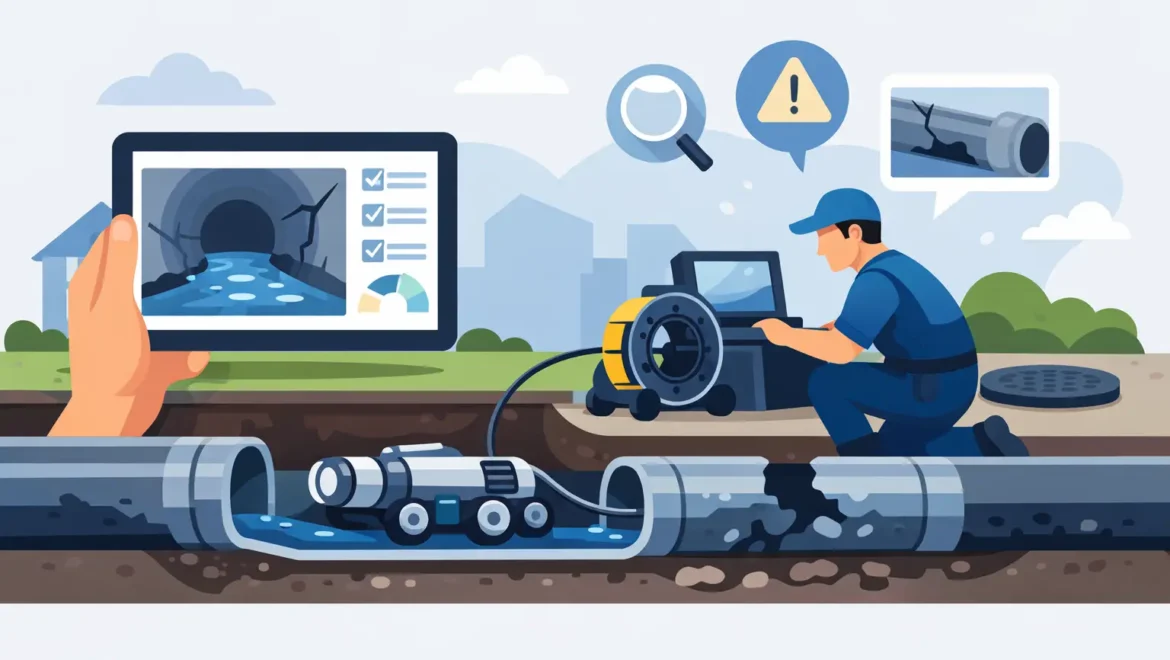
A CCTV drain survey report is the written record that sits behind the camera footage. The survey itself captures the condition of the drainage system using a specialist camera. The report turns that footage into something practical – a document that property owners, landlords, insurers and contractors can actually use.

A typical CCTV drain survey report example will usually include the property address, survey date, the reason for inspection, a drainage layout or asset references, observations from each section of pipe, still images from the camera, and a conclusion with recommendations. In many cases, it will also include defect grading so you can tell the difference between a minor maintenance issue and something that needs repair work now.

That distinction matters. A hairline crack in an older pipe may be worth monitoring if there is no leakage or displacement. A displaced joint with root ingress, by contrast, can quickly turn into repeated blockages, ground loss or structural damage if left alone.

What a proper report should contain

The best reports are clear enough for a homeowner to follow but detailed enough for property managers, insurers and builders to rely on. If a report is too vague, it becomes difficult to quote accurately for repairs or prove the condition of the drain at the time of inspection.

Property and survey details

The opening section should identify the site, access points inspected and the reason for the survey. That reason could be a recurring blockage, a pre-purchase inspection, a suspected collapsed drain, or an investigation before building work.

This part sounds basic, but it is important. If the report does not clearly say which lines were surveyed and from where, there can be confusion later about whether the affected section was actually inspected.

Drain runs and pipe references

Each section of drain is normally recorded as a run between two points, such as from a manhole to another manhole, or from a gully to a chamber. These references help locate the issue precisely.

For example, a report might note that the defect is 6.4 metres along the line from chamber R1 to chamber R2. That is far more useful than saying there is damage somewhere under the drive.

Observations and defect notes

This is the core of the report. It should record what the camera found within each pipe section, usually with distances, clock positions and condition notes.

A straightforward observation might read like this:

“Run R1-R2, 100mm vitrified clay pipe, surveyed from chamber R1. At 4.2m, minor root ingress at junction. At 6.4m, open joint with slight displacement. At 8.1m, scale build-up reducing bore by approximately 20 per cent. Flow present.”

That single note already tells you quite a lot. You know the pipe material, diameter, the exact points of concern, and whether water is still moving through the line.

Photographs and still images

A useful report includes still images taken from the footage. These are not just there for presentation. They help support repair recommendations and can be useful if you need to discuss liability, obtain quotations, or provide evidence to an insurer or another contractor.

Drainage map or sketch

Some reports include a marked-up sketch showing chambers, gullies and pipe runs. For domestic properties, this can be especially helpful where the drainage layout is unclear or shared with neighbouring properties.

Without a layout, a defect note may be technically correct but not very helpful to someone trying to understand whether the issue is under the garden, extension, driveway or public footpath.

Recommendations

This should be the practical part. A good contractor will explain what action, if any, is needed. That might be a high-pressure clean, root cutting, localised patch lining, excavation repair, or no immediate action at all.

Not every defect means a full replacement is needed. That is one of the main reasons the report matters. It helps separate defects that are inconvenient from defects that are structurally significant.

Sample extract from a CCTV drain survey report example

To make this more concrete, here is a simplified example of how part of a report might read:

Survey summary

Property: 24 Example Road, Stockport Survey date: 14 February 2026 Reason for survey: Repeated foul water backing up to rear inspection chamber System surveyed: Rear foul drain serving kitchen and downstairs WC

Run reference: MH1 to MH2

Pipe size and material: 100mm uPVC Length surveyed: 12.6m Direction of survey: Upstream from MH1

Observations: At 2.3m – light silt deposits to invert. At 5.8m – fine roots entering through joint at 11 o’clock position. At 5.9m – joint slightly displaced, estimated 10mm. At 9.7m – paper and debris build-up causing partial restriction. At 12.4m – junction connection from gully, serviceable condition.

Assessment: Pipe generally serviceable but root ingress and joint displacement are likely contributing to recurring blockage. No evidence of full collapse during survey.

Recommendation: Initial root removal and high-pressure clean. Re-survey if required following cleansing. If recurring ingress continues, local patch lining repair recommended at 5.8m to 6.0m.

That is the level of clarity most customers need. It explains the problem, the likely cause, and the most proportionate next step.

How to read the findings without getting lost in jargon

Some drainage reports use coding systems based on industry standards. These can look technical, but the main point is usually simple: what was found, how severe it is, and whether it affects flow or structural condition.

If your report mentions root ingress, displaced joints, fractures, deformation, scale, silt or standing water, these all point to different kinds of problems. Roots and displaced joints often suggest water is escaping or there is movement in the pipe. Silt and scale may point more towards maintenance and restricted flow. Standing water can indicate poor fall, a deformation, or a downstream obstruction, but it depends on the rest of the run.

That is why camera footage alone is not always enough. Two drains can show similar symptoms on screen but require different remedies once the pipe material, depth, access and extent of the defect are considered.

When a report is used for more than repairs

A CCTV report is not only for fault finding. In practice, customers ask for them in several different situations.

Homebuyers may want one before exchange if there are signs of historic drainage issues or an extension has been built over existing lines. Landlords may need a report to investigate recurring tenant complaints and demonstrate that repairs were properly assessed. Commercial sites often need survey records before planned works, reinstatement, or insurance discussions.

In these cases, presentation matters as much as diagnosis. The report needs to stand up to scrutiny and show a clear chain from inspection to recommendation.

What makes a report genuinely useful

A report is only valuable if it helps you make the next decision with confidence. That usually comes down to three things: location accuracy, clear grading of severity, and practical repair advice.

For example, if the report identifies a defect but does not say whether it is suitable for no-dig repair, excavation may be priced when it is not actually necessary. On the other hand, if a contractor understates a serious collapse to keep the report simple, the customer is left with a recurring problem and a bigger repair later.

This is where experience matters. A specialist drainage contractor should not just identify defects. They should explain the most cost-effective remedy with the least disruption where possible.

Why recommendations can vary from one property to another

Two reports can show similar defects and still lead to different repair plans. Pipe depth, access, material, the age of the drainage system, whether the line is shared, and whether the area above is paved or built over all affect what is sensible.

A short section of displaced pipe beneath a lawn may be excavated and repaired directly. The same issue beneath a finished driveway or extension may be better suited to patch lining if the structure of the surrounding pipe allows it. That is why a written report should never be treated as a generic checklist. It needs to reflect the site.

For homeowners and landlords across the North West, that practical approach matters more than technical language. You want to know whether the drain can be cleared, repaired locally, or needs a bigger intervention – and how much disruption to expect. That is the standard we work to at Watermains & Drains UK.

If you are reviewing a survey report, the key question is not whether the document looks impressive. It is whether it gives you a clear, evidence-backed route to the next step, with no guesswork left buried underground.

Should Home Buyers Get a Drain Survey?
Blog

Should Home Buyers Get a Drain Survey?

Most buyers expect the survey to flag subsidence, damp, or roof issues. Fewer think about what is happening underground until a toilet backs up a week after completion.

That is the problem with drains. They can be in poor condition for years without leaving obvious signs inside the property. By the time the issue becomes visible, you are no longer negotiating with the seller – you are paying for the repair. A cctv drain survey for home buyers is often the simplest way to check whether the drainage system is sound before you commit.

What a CCTV drain survey for home buyers actually covers

A CCTV drain survey uses a specialist camera to inspect the underground drainage serving a property. The camera is fed through the pipework, allowing the contractor to assess the internal condition of the drains and identify defects that cannot be seen from above ground.

For a buyer, that matters because drainage problems are rarely cosmetic. A cracked pipe, root ingress, displaced joint, collapsed section or poor historic repair can lead to repeated blockages, foul smells, leaks into the surrounding ground, and in some cases structural concerns if defects are left unresolved.

The survey should also help clarify how the drainage system is laid out. That can be useful where extensions have been added, where older properties have altered pipe runs, or where ownership and responsibility are not immediately clear. On some properties, particularly older homes, the layout below ground is less straightforward than buyers expect.

Why drainage issues are missed during a normal purchase

A standard property survey is not designed to inspect underground drains internally. Even a thorough building surveyor can only comment on visible clues and general risk. If drains are flowing on the day and no covers are lifted for a detailed internal inspection, serious defects may go unnoticed.

That does not mean the surveyor has missed something. It means drainage needs its own specialist assessment when there is reason to look closer. Buyers often assume that if the sinks empty and the toilet flushes, all is well. In reality, many defective drains still function – until heavy use, tree root growth or ground movement turns a manageable defect into a larger repair.

This is especially relevant if the property is older, has large trees nearby, has a history of extensions, or appears to have had patch repairs over time. It is also worth considering where there are signs of recurring drain blockages, foul odours outside, damp low down on walls, or inspection chambers that show poor flow or standing water.

When a CCTV drain survey makes most sense

Not every purchase needs the same level of investigation. On a relatively new property with a clean history and no warning signs, some buyers may decide not to commission a survey. That is a judgement call.

Where a CCTV drain survey for home buyers becomes more valuable is when the risk of hidden defects is higher or the consequences of getting it wrong are more expensive. Older housing stock across the North West often includes ageing clay drains, previous alterations, and mature landscaping – all of which can increase the chance of defects below ground.

It is also a sensible step if you are buying a property to let. Landlords inherit the practical consequences of drainage faults quickly, particularly where blocked drains affect tenants, cause emergency call-outs, or lead to complaints and disruption.

If you are already stretching your budget to buy, paying for a drain survey can feel like one more cost. But compared with the price of excavating a collapsed drain under a driveway, replacing damaged sections, or dealing with repeated blockages after moving in, it is often a modest one.

What defects a drain survey can uncover

The value of the survey depends on what it finds and how clearly those findings are explained. A professional inspection can identify common defects such as cracks, fractures, displaced joints, root ingress, scale build-up, deformities, open joints and partial or full collapses.

It can also reveal poor installation work. We regularly see drains with incorrect falls, bad connections, intruding laterals and historic repairs that were never carried out to a proper standard. These issues do not always cause immediate failure, but they can increase the likelihood of blockages and future repair work.

There is an important difference between a defect that should be monitored and one that needs prompt attention. A good report should make that distinction clear. Buyers do not need drama. They need enough information to understand the condition of the drains, the likely implications, and whether remedial work is advisable before exchange or can be planned later.

How the results can help during the purchase

A drain survey is not just about deciding whether to walk away. In many cases, it gives buyers practical leverage and better certainty.

If defects are identified, you may be able to renegotiate the purchase price, ask the seller to arrange repairs, or at least factor the works into your budget with open eyes. That is far better than discovering the problem after completion with no room to negotiate.

It can also help keep a purchase on track. Uncertainty tends to delay decisions. A clear drainage report, supported by survey footage and practical recommendations, allows solicitors, buyers and sellers to deal with facts rather than assumptions.

For some buyers, the reassurance is the main benefit. If the drains are in good condition, that is useful information too. Buying a house comes with enough unknowns already.

What to expect from the inspection process

In most cases, the survey is carried out through existing access points such as manholes and inspection chambers. A specialist drainage contractor will feed the camera through the system, record the findings and assess the condition of the pipework.

Access, layout and the condition of the drainage system affect how straightforward the survey is. Some properties have limited access or complex drainage runs, and occasionally heavy blockages need clearing before a proper inspection can be completed. That is why it helps to use a contractor who can do more than simply operate a camera. If the line needs cleaning, tracing or follow-on repair advice, you want practical answers rather than a vague report.

The final report should set out what was inspected, what defects were found, where those defects are located, and what action is recommended. If you are buying, clarity matters as much as technical accuracy. You need information that can actually support a decision.

Choosing the right contractor matters

There is a difference between a quick camera look and a survey you can rely on. Buyers should look for a specialist contractor with proper drainage experience, clear reporting, and the ability to explain findings in plain English.

That is particularly important if defects are found and you need a realistic view of what happens next. Some issues can be repaired with minimal disruption using patch lining or no-dig methods. Others may require excavation, depending on the location and severity of the defect. The right contractor will tell you which is which instead of treating every problem as a major job.

Professional standards matter as well. For homeowners, landlords and property professionals, reassurance comes from working with insured, competent contractors who understand both survey work and remedial drainage repairs. Watermains & Drains UK carries out CCTV drain surveys alongside drain repair and trenchless work, which means findings can be followed through with practical, cost-effective solutions where needed.

Is it always worth it?

It depends on the property, your appetite for risk, and how much uncertainty you are prepared to carry into the purchase.

If you are buying a newer home with no signs of drainage trouble, you may decide the risk is low enough to proceed without one. If you are buying an older property, a house with trees close by, or somewhere that already raises drainage questions, the case becomes much stronger.

The key point is simple. Drains are expensive to ignore because the fault is out of sight until it turns into disruption, repair costs and avoidable stress. For many buyers, a CCTV drain survey is less about adding another box to the purchase process and more about removing one of the hidden risks that can come back to bite later.

Before you exchange, it is worth asking not just whether the house looks right above ground, but whether the infrastructure beneath it is in equally good order. That small check can make the move-in period a lot simpler.

Why Drains Keep Blocking
Blog

Why Drains Keep Blocking

A drain that blocks once can be bad luck. A drain that keeps blocking is usually telling you there is a fault somewhere in the system.

That matters because repeated blockages are rarely solved by clearing the immediate build-up alone. If your kitchen sink backs up every few weeks, your outside gully overflows after rain, or tenants keep reporting slow toilets and foul smells, the real issue is often deeper in the pipework. The quickest fix is not always the lasting one.

What causes drains to keep blocking?

In most cases, recurring blockages come down to one of two things – something is regularly entering the drain that should not be there, or the pipe itself has a condition that keeps catching waste and restricting flow.

For homeowners, that often means grease, wipes, hair or scale building up over time. For landlords and commercial properties, usage patterns can make the problem worse, especially where multiple occupants are putting pressure on older drainage systems. And in some cases, the drain is structurally damaged, poorly laid or affected by tree roots, so even normal wastewater struggles to pass through properly.

The reason this question matters is simple: if you only treat the symptom, the blockage usually comes back.

The most common reasons drains keep blocking

Grease, fat and food waste in kitchen drains

Kitchen drains are one of the biggest repeat offenders. Cooking oil, fat, sauces and food scraps do not always wash away as cleanly as they seem to. As they cool, they cling to the inside of the pipe and gradually narrow the passage.

At first, you may only notice water draining a little slower. Later, the sink may start gurgling, unpleasant smells can develop, and eventually the pipe blocks completely. If this has happened more than once, there is often a thick internal build-up that simple shop-bought cleaners will not remove fully.

Newer pipework can still suffer from this, but older drains with rougher internal surfaces tend to catch grease more easily.

Wipes, sanitary products and excess toilet paper

Toilet and soil pipe blockages are often caused by what gets flushed. Even wipes labelled as flushable can create problems, particularly where the drainage run is long, has bends, or already contains a partial obstruction.

Sanitary products, cotton pads and paper towels are even more likely to snag and build into a larger blockage. In rental properties, this is a frequent cause of repeat call-outs because the issue is behavioural as much as mechanical. Unless the source is addressed, the same blockage pattern can continue.

Too much toilet paper can also be enough to tip a restricted drain into a full blockage, especially if there is already scale, root ingress or a pipe defect further along.

Hair, soap and bathroom residue

Bathroom sinks, showers and baths commonly block because hair binds with soap residue and forms a dense mass inside the waste pipe. This usually starts near the plughole or trap, but over time it can extend further into the line.

The reason these blockages repeat is that partial cleaning often leaves material behind. If the pipework is awkwardly routed or has poor falls, waste catches more easily and the problem returns sooner.

Tree root ingress

If an external drain keeps blocking, tree roots are a serious possibility. Roots naturally seek moisture and can enter drains through cracked joints, small fractures or displaced sections of pipe. Once inside, they trap paper, debris and other waste passing through.

This is one of the clearest examples of why unblocking alone is not always enough. The drain may run again after clearance, but if the roots remain, they will continue to obstruct flow. A proper repair, such as patch lining or replacing the damaged section, is usually the lasting answer.

Broken, cracked or collapsed drains

Structural defects are a common cause of recurring drainage problems, particularly in older properties. A cracked pipe may allow surrounding material to enter. A displaced joint can catch waste. A section with minor collapse can hold standing water and slow everything behind it.

From the surface, this can look like an ordinary blockage. The difference is that it keeps coming back, often in the same location. If you have recurring issues with one toilet, one branch line, or one outside drain, there may be a defect that needs locating properly rather than guessed at.

Poor pipe gradient or bad installation

Drainage relies on gravity, so the pipe needs the correct fall. If the gradient is too flat, solids can settle instead of moving away. If it is too steep, liquids may run off and leave solids behind. Either way, repeat blockages become more likely.

This is sometimes found in extensions, altered bathrooms, garden rooms or replacement drainage runs where installation standards were poor. It can also affect commercial sites where previous alterations were made in stages over the years.

The trade-off here is that clearing the blockage is relatively quick, but correcting the fall may involve more work. The right approach depends on how severe the issue is, how accessible the run is, and whether trenchless repair methods are suitable.

Scale, silt and general ageing of the system

Not all blockages are caused by misuse. Older drains can become less efficient simply because scale, silt and mineral deposits reduce the internal diameter over time. In surface water systems, leaves, grit and external debris can do much the same.

This is why some properties seem to suffer more than others, even when occupants are careful. Age, material and condition all play a part.

Signs the problem is deeper than a simple blockage

A one-off slow drain does not always justify a major investigation. But there are clear signs that the issue may be more than surface-level build-up.

If several fixtures are draining slowly at once, if you can smell foul odours outside or indoors, if gullies overflow in wet weather, or if the same drain blocks again soon after being cleared, it is worth looking beyond the immediate obstruction. Gurgling sounds after flushing or water backing up in unexpected places can also point to a restriction further down the system.

For landlords and facilities teams, frequency matters. If you are paying for repeated unblocking visits at the same property, there is usually a more cost-effective route than treating each event as isolated.

Why temporary fixes often fail

Chemical drain cleaners can sometimes open up a small local blockage, but they do not solve structural defects, root ingress or poor gradients. They can also be harsh on pipework and are not ideal as a repeat solution.

Plungers and hand tools may help near the fixture, but they only reach so far. If the blockage is deeper in the line, or if the drain wall is heavily coated with grease and debris, the relief is often short-lived.

That is why persistent problems usually need the drain properly cleaned, inspected and assessed. Otherwise, you are working blind.

When a CCTV drain survey makes sense

If a drain keeps blocking, a CCTV survey is often the quickest way to establish why. It shows whether the problem is caused by a build-up issue, root intrusion, a broken section, displaced joints, standing water, or poor installation.

For homeowners, that means less guesswork and a clearer repair plan. For landlords, commercial sites and insurance-related cases, it also provides evidence of condition and helps support decisions on repair scope.

In many cases, the most practical route is to clear the line first and then inspect it while access is available. That approach identifies whether you need ongoing maintenance, localised repair, or a more substantial drainage upgrade.

The right fix depends on the cause

There is no single answer to recurring drain blockages because the cause can vary from simple misuse to underlying pipe failure.

If the issue is grease or waste build-up, high-pressure jetting and better disposal habits may be enough. If roots have entered through a damaged section, the drain may need patch lining or repair. If the pipe has collapsed or was poorly installed to begin with, replacement may be the only dependable long-term option.

Where excavation is needed, the least disruptive method is usually preferable, especially on driveways, paved areas and landscaped ground. This is where specialist drainage contractors can often offer cleaner, faster solutions than a general reactive approach.

If you are dealing with repeat blockages in Manchester, Stockport, Warrington, Cheshire or surrounding areas, Watermains & Drains UK can inspect the problem properly and recommend the most cost-effective repair with minimal disruption.

If your drains keep blocking, treat it as a fault worth investigating, not just an inconvenience to clear again. The sooner the real cause is identified, the sooner you stop paying for the same problem twice.

Need Emergency Drain Unblocking Near Me?
Blog

Need Emergency Drain Unblocking Near Me?

A toilet that will not flush, a kitchen gully backing up, or foul water rising outside is not a job to leave until tomorrow. When people search for emergency drain unblocking near me, they are usually dealing with a problem that is already affecting the property, the people in it, or both.

In those situations, speed matters, but so does getting the right contractor. A blocked drain is not always a simple surface-level issue. What looks like a quick blockage can turn out to be a collapsed section of pipe, root ingress, a fat build-up, or a problem further down the line affecting more than one outlet.

When an emergency drain blockage is actually an emergency

Not every slow-draining sink needs an urgent call-out. Some problems can wait for a planned visit. Others should be treated as time-sensitive straight away.

If wastewater is backing up into sinks, showers, toilets, or outside gullies, that is usually the point where the issue moves beyond inconvenience. The same applies if there is a strong foul smell around the property, repeated overflowing after rain, or signs that multiple drains are blocked at once. For landlords and commercial sites, the threshold is often lower because tenant disruption, hygiene concerns, and business interruption quickly become bigger problems than the blockage itself.

A good rule is simple. If the drainage issue is causing overflow, preventing normal use of the property, or creating a health risk, it needs urgent attention.

What causes the need for emergency drain unblocking near me

The cause depends on the type of property, the age of the drainage system, and how the drains are used. Domestic blockages often build over time before suddenly becoming obvious. Commercial issues can appear faster, particularly where kitchens, washrooms, or shared systems are under heavier use.

Fat, oil and grease are common causes in kitchen lines. Wet wipes, sanitary products and excessive toilet paper are frequent causes in WCs. Outside drains often block because of silt, leaves, scale, or roots entering damaged joints. In some cases, the drain is not blocked by waste at all. It may have dropped, cracked, or partially collapsed, which means unblocking alone will only provide a short-term result.

That is why experienced contractors do more than clear the symptom. They look at whether the blockage is the real problem or just the first sign of a bigger drainage defect.

Why the nearest option is not always the best one

Searching locally makes sense. You want a fast response and somebody who knows the area. But choosing purely on distance can be a false economy if the contractor turns up without the right equipment or treats every blocked drain as the same job.

Drainage work can move quickly from simple clearance to survey, repair, or reinstatement-sensitive work. A specialist contractor is better placed to deal with that properly. That matters for homeowners who want the issue fixed once, and it matters even more for landlords, facilities teams and insurance-related work where records, method, and follow-on capability are often just as important as the initial attendance.

The better question is not only who is closest, but who can respond quickly, diagnose the cause, and carry out the next stage if needed without unnecessary disruption.

What to expect from a proper emergency drain unblocking service

A professional emergency visit should start with making the system safe and usable as quickly as possible. In many cases, that means high-pressure water jetting or mechanical clearance, depending on the type and location of the blockage.

But speed should not mean guesswork. If the drain repeatedly blocks, if there is evidence of damage, or if the issue affects multiple runs, further investigation is usually sensible. CCTV drain surveys are often the most efficient next step because they show whether there is a structural problem, root ingress, displaced joints, or a section that needs repair rather than repeated unblocking.

This is where specialist contractors stand apart from general trades. The best outcome is not just a cleared line on the day. It is a clear diagnosis, a practical remedy, and a tidy finish with as little disruption to the site as possible.

The trade-off between a quick fix and a lasting repair

Sometimes, a blockage really is a one-off. A drain is cleared, tested, and the problem is resolved. Other times, the clearance only reveals what was hiding underneath.

That can be frustrating for property owners, but it is better to know. If a pipe is cracked or suffering from root ingress, repeated emergency visits will cost more over time than dealing with the defect properly. The right solution might be patch lining, a localised repair, or replacing part of the run. The answer depends on the condition of the pipe, access, and whether excavation can be avoided.

Modern no-dig methods can make a real difference here. Where conditions allow, trenchless repair techniques reduce disruption to drives, gardens and paved areas and can shorten programme time compared with traditional excavation. It is not suitable for every defect, but where it fits, it is often the cleaner and more cost-effective option.

For homeowners, landlords and commercial sites, the priorities differ

Homeowners usually want the same three things – a fast arrival, a straightforward explanation, and confidence that the problem will not reappear next week. A clear quote for any follow-on work also matters, especially if the blockage turns out to be part of a wider drainage issue.

Landlords often need a contractor who can respond quickly while keeping tenants informed and minimising mess. The job has to be handled professionally, particularly where access is awkward or the blockage affects sanitation.

Commercial and facilities clients tend to need a little more. They may require RAMS, proper reporting, clear scheduling, and a contractor with the insurance and operational capability to manage repairs as well as reactive attendance. In those settings, reliability and compliance are not extras. They are part of the service.

Signs you may need more than unblocking

If the same drain blocks repeatedly, there is usually an underlying reason. Gurgling sounds, bad odours that keep returning, slow drainage across more than one fixture, or damp ground around an external line can all point to a defect further down the system.

At that stage, simply forcing the line open again is rarely the full answer. A survey helps establish whether the issue is poor condition, poor falls, intrusion from roots, or damage caused by movement in the ground. Getting that checked early can prevent more serious failure and avoid avoidable excavation later on.

Choosing a contractor with the right backing

In urgent situations, people understandably focus on who can attend fastest. That matters, but credentials matter too. Drainage work affects hygiene, property condition and, in some cases, insurance claims or landlord responsibilities.

A contractor should be able to explain the likely cause, outline the next step, and carry the right insurance for the work involved. If repairs are needed, guarantees and a clear scope provide reassurance that you are not paying twice for the same issue. For more complex infrastructure work, accreditations and specialist methods are a strong sign that you are dealing with a contractor rather than a general handyman.

For customers across the North West, that is where a specialist provider such as Watermains & Drains UK offers practical value – emergency response when required, but also CCTV surveys, repairs, reinstatement and no-dig options where those are the better fit.

When to call now and when to book a planned visit

If sewage or foul water is backing up, if toilets cannot be used, or if a commercial premises is facing disruption, call straight away. The same applies where children, vulnerable occupants, or tenants are affected.

If the drain is slow but still functioning, or if the issue is minor and contained, a booked visit may be enough. Even then, delaying too long can turn a manageable blockage into an out-of-hours emergency. It depends on the level of use, the type of property, and whether the symptoms are getting worse.

The key is not to wait for visible overflow before taking action. Drainage problems rarely improve on their own. They either stay inconvenient or they become expensive.

When you are searching for emergency drain unblocking near me, you are not really looking for a name on a map. You are looking for someone who can turn up promptly, work cleanly, identify the cause, and leave you with a functioning system and a clear plan if anything more is needed.

How Underground Pipe Leaks Are Found
Blog

How Underground Pipe Leaks Are Found

A hidden leak on a buried water pipe rarely announces itself properly. More often, it shows up as a higher bill, a patch of ground that never seems to dry out, a drop in pressure at the kitchen tap, or damp appearing where it should not. By the time the problem is obvious, a lot of clean water may already have been lost.

That is why water leak detection for underground pipes needs to be handled methodically. The aim is not simply to confirm that a leak exists. The real job is to narrow it down accurately, avoid unnecessary digging, and get to a repair plan that causes the least disruption to your property or site.

Why water leak detection for underground pipes matters

Underground leaks are different from visible plumbing faults inside a property. Because the pipe is buried, water can travel through soil, under paving, along service trenches, or into drainage runs before it becomes visible. That means the wet patch you can see is not always directly above the fault.

For homeowners, the main concern is usually waste, damage and disruption. A leaking supply pipe can soften ground beneath driveways, gardens and paths, and over time it may affect hardstanding or create repeated damp issues around the property boundary. For landlords and commercial sites, there is also the practical issue of tenant complaints, service interruption and the need for a contractor who can investigate properly and leave the site tidy afterwards.

There is also a cost point. A small leak left alone for months can become more expensive than the repair itself, especially if it leads to reinstatement works, emergency attendance or water charges that keep creeping up.

Signs of a buried water pipe leak

Not every sign points to the same type of fault, but a pattern usually emerges. If your water bill rises for no clear reason, your incoming pressure drops, or you can hear water movement when no taps or appliances are running, it is sensible to investigate. Soft ground, standing water, greener patches of lawn, subsidence around a path or driveway, and unexplained damp near the route of the supply pipe can all point to an underground leak.

Some cases are less obvious. On older properties, especially those with ageing external supply pipes or lead pipework, the problem may appear as intermittent pressure loss rather than visible flooding. On commercial sites, the first sign may be water pooling in a service yard or repeated top-ups on a private supply.

It depends on the pipe material, ground conditions and depth. A leak in sandy ground may show itself quickly. A leak under paving or concrete may travel some distance before it becomes visible.

What causes underground pipe leaks

There is no single cause. In the North West and across many older UK properties, ageing pipework is a common factor. Older metal pipes can corrode over time, joints can fail, and previous repairs may become weak points later.

Ground movement is another issue. Seasonal changes, traffic loading, poor backfill, tree root activity and general settlement can all place stress on buried services. Plastic pipework is often more flexible than older materials, but even modern systems can fail at joints, fittings or poorly installed connections.

External damage also plays a part. Landscaping works, fence posts, extensions and driveway installations sometimes disturb buried services without anyone realising until later. In those situations, proper detection matters because guessing and excavating in the wrong place only adds cost and disruption.

How specialists detect underground water leaks

The best leak investigations combine experience with the right equipment. There is no one tool that solves every case, which is why proper diagnosis usually involves more than one method.

Acoustic listening equipment

Many underground leaks create noise as pressurised water escapes from the pipe. Specialist acoustic devices help contractors listen for that sound through the ground, valves and fittings. This can be very effective on pressurised water mains and supply pipes, particularly where background noise is manageable and the pipe material carries sound well.

The limitation is that acoustic methods can be less reliable in some ground conditions, around busy roads, or on certain plastic pipes where the leak noise does not transmit as clearly. It is useful, but not always enough on its own.

Correlation technology

On longer pipe runs, leak correlators can help pinpoint the likely location by analysing sound travelling between two fixed points on the pipe. This is often used where access points are available and where a more precise location is needed before excavation.

For property owners, the benefit is straightforward: less guesswork and less unnecessary digging.

Tracer petrol testing

Tracer petrol is a strong option when other methods are less clear. A safe petrol mixture is introduced into the isolated pipe, and specialist detectors are then used above ground to identify where the petrol escapes. This can be particularly helpful on plastic water pipes or where surface finishes make acoustic readings harder.

It is not always the first method used, but in the right setting it can be highly accurate.

Pressure testing and sectional testing

Sometimes the first step is to confirm whether the leak is actually on the private underground supply rather than inside the building or elsewhere on the system. Pressure testing helps establish that. By isolating sections, a contractor can narrow down where losses are occurring.

This matters because not every low-pressure problem is caused by a buried leak. Faulty internal valves, fittings or appliances can create similar symptoms.

Visual inspection and site assessment

Good leak detection still starts with practical site reading. Pipe routes, meter position, surface finishes, ground conditions and previous repairs all matter. An experienced contractor will look at how the property is laid out, where the supply is likely to run, and what repair access is realistic once the leak is found.

That practical thinking is what turns detection into a solution rather than just a report.

When leak detection leads to repair or replacement

Once the leak has been located, the next question is whether to repair a localised fault or replace the affected pipe run. That depends on the age and condition of the pipe, the number of previous failures, and how accessible the service is.

If the pipe is relatively modern and the defect is isolated, a targeted repair may be the sensible option. If the supply pipe is old, undersized, made of lead, or showing repeated issues, replacement is often better value over time.

This is where method matters. Traditional excavation still has its place, particularly where a short open dig is the safest route. But trenchless methods such as moling can often install a new water supply pipe with far less disturbance to gardens, driveways and paved areas. For many homeowners, that is the difference between a manageable job and a major headache.

What to expect from a proper leak detection visit

A professional visit should be clear and practical from the start. You should expect the contractor to ask about pressure changes, billing history, visible signs and any previous works on site. They should identify whether the issue is likely on the private supply, explain the detection method they intend to use, and set out what happens if the leak is confirmed.

For domestic customers, clear quoting and a straightforward explanation matter. For landlords, facilities teams and insurance-related works, documentation, access planning and reinstatement expectations are just as important.

The quality of the repair side should not be treated as an afterthought. There is little value in locating a leak precisely if the excavation is untidy, the reinstatement is poor, or the replacement work is not compliant.

Choosing a contractor for underground leak detection

This is specialist work, not a general handyman job. You want a contractor who understands underground water services, not just internal plumbing. That means looking for experience with supply pipe repairs and replacements, knowledge of trenchless installation where suitable, and recognised approvals such as WIAPS and Watersafe for relevant works.

Insurance and guarantees matter too, especially where driveways, paths, landscaping or commercial surfaces may be affected. A properly insured contractor with a clear workmanship guarantee gives you more confidence that the job will be completed professionally and any reinstatement handled properly.

If the leak turns into a full supply replacement, the difference between a specialist and a non-specialist becomes even more obvious. Accurate detection is only the first half of the job. The second half is delivering a repair or new installation with minimal disruption and a reliable finish.

For property owners across the North West, that usually means choosing a contractor who can investigate, quote and carry out the work without passing you between multiple trades. Watermains & Drains UK is set up for exactly that type of work, from leak investigation through to repair or replacement, including no-dig installation where it is the better option.

If you suspect a buried leak, the best next step is not to wait for the ground to get softer or the bill to get higher. Get it checked properly, get the location confirmed, and make a decision based on the condition of the pipe and the least disruptive route to a lasting repair.

Supply Pipe Leak Outside? What to Do Next
Blog

Supply Pipe Leak Outside? What to Do Next

You step outside and the paving looks darker than usual. There’s a faint hiss near the stop tap box, or a puddle that never quite dries – even in warm weather. Then the water bill lands.

A leak on supply pipe outside house is one of those problems that starts small and quickly becomes expensive, disruptive, and stressful. The good news is most supply pipe leaks can be located and repaired quickly when you know what you’re looking at and you act early.

What a supply pipe is – and why outside leaks are common

Your water supply pipe is the pipe that brings clean water from the water main in the street into your property. On many homes it runs under the front garden, driveway, or path, and enters the house near the internal stop tap.

Outside leaks are common for a simple reason: that section of pipe is buried and often out of sight for years. Small issues can build up unnoticed. Ground movement, older materials, poor historic joints, and even driveway works can all take their toll. In winter, freezing conditions can worsen hairline cracks. In summer, dry ground can shrink and shift, stressing pipework.

A lot depends on the age of the property. Older homes may still have lead or galvanised sections, or a mixture of materials where previous repairs have been pieced together. Those transitions can be weak points.

Signs you may have a leak on the supply pipe outside the house

Some leaks are obvious, but many are not. If the leak is under concrete or tarmac, the water can travel and show up in a different place.

The most common early signs are a persistently wet patch on the drive or lawn, a sudden drop in water pressure, or the sound of running water when nothing is on. You might also notice your boiler losing pressure more often than usual if you are topping up, although that can also point to internal issues.

The strongest clue is your meter. If you have an external meter chamber near the boundary and the little indicator wheel spins when all taps and appliances are off, that suggests water is moving somewhere. If you do not have a meter, an unusually high bill is often the first sign, particularly in rented properties where usage is fairly predictable.

Who is responsible for the pipe outside?

Responsibility is a grey area for many homeowners and landlords, and it matters because it affects who pays.

In most cases, you are responsible for the private supply pipe from your property boundary to the point where it enters the house – and sometimes back to the connection at the water main, depending on local arrangements and whether the pipe is shared. The water company is usually responsible for the water main in the street and the communication pipe up to the boundary.

If you share a supply pipe with a neighbour (common in older terraces), you may have shared responsibility for the section feeding both properties. These situations are fixable, but it helps to get clarity early so you can plan a repair without delays.

If you are unsure, a contractor can often advise from the layout and meter position, and your water company can confirm the typical responsibility split for your area.

What to do immediately (and what not to do)

If you suspect a supply pipe leak, the priority is to reduce wasted water and prevent damage.

Start by checking the internal stop tap and making sure it is accessible and working. If the leak is severe, turning the stop tap off can limit water loss, but be realistic – if you are in a busy household or managing tenants, you may need a planned shut-off window.

If you have a meter, take a reading, leave everything off for 30-60 minutes, and check again. This gives you a simple baseline that helps confirm it is not just heavy use.

Try not to break out paving “to have a look” unless the leak is clearly visible and you are confident you can reinstate safely. Random excavation often increases costs, damages other services, and still doesn’t guarantee you hit the leak.

Why quick action saves money

A supply pipe leak rarely fixes itself. Even a small pinhole leak can wash away bedding material around the pipe, creating voids under paths and driveways. That leads to sinking, cracking, and bigger reinstatement.

There’s also the bill. Metered properties can rack up significant costs quickly, and many water companies have limits and conditions on leakage allowances. Early documentation and fast repair improves your chances of support where applicable.

For landlords and facilities teams, speed is also about reputation and continuity. Low pressure, unplanned shut-offs, or repeated call-outs are disruptive for tenants and operations.

How the leak is found without unnecessary digging

Leak detection is about narrowing the search before any ground is opened up. The approach depends on the site and the likely pipe route.

A practical starting point is tracing the line from boundary to internal stop tap position, then looking at typical entry points and any historic works. Acoustic listening equipment can sometimes pick up the noise of pressurised water escaping, particularly on quiet streets and at night.

On some jobs, pressure testing sections of the supply line can confirm whether the leak is on the incoming supply or within the property. Where the pipe material and access allow it, isolating sections can save time.

The goal is always the same: locate accurately, excavate minimally, and keep reinstatement neat.

Repair vs replacement: what actually makes sense?

The right fix depends on the condition of the pipe, not just the leak itself.

If the pipe is relatively modern (for example MDPE plastic) and the leak is at a joint or a localised damage point, a targeted excavation and repair can be cost effective. You get the water back on quickly and disturbance can be limited to a small section.

If the pipe is lead, older copper, or a patchwork of materials, repairing one spot can be a short-term win but a long-term gamble. It is common to see repeat leaks as the rest of the line is the same age and condition. In those cases, full replacement is often the better value decision, especially if the route crosses under a driveway you don’t want digging up again next year.

There is also a health and compliance angle. Lead supply pipes remain a concern in older properties, particularly where you are renting out or managing a building with duty of care. Upgrading to a modern MDPE supply line removes that risk and is a clean reset.

“No-dig” options when the pipe runs under a driveway

Many homeowners delay dealing with a leak because they picture a trench across the front drive and weeks of mess. That is not the only way.

Trenchless moling and horizontal directional drilling allow a new supply pipe to be installed with minimal excavation points, typically at the boundary and at the entry point to the building. The new pipe is pulled through underground, leaving most of the surface untouched.

It is not a magic answer for every site. Ground conditions, existing services, and tight access can limit suitability. But when it is viable, it is usually the least disruptive route – particularly for block paving, patterned concrete, or recently tarmacked drives where reinstatement quality really matters.

For commercial sites, trenchless methods can also reduce downtime and keep pedestrian routes and entrances usable, which is often as important as the repair itself.

How long does it take and what affects cost?

Timeframes vary, but many outside supply pipe leaks can be addressed in a day once the route and method are agreed. Replacement can also be completed quickly where access is straightforward and the reinstatement scope is clear.

Cost depends on depth, surface type, pipe length, and whether the job is a simple repair or a full renewal. A leak under soil is usually quicker and cheaper to access than a leak under thick concrete. Shared supplies, unknown routes, or multiple historic repairs can add complexity.

A good quote should be clear about what is included: detection, excavation, materials, connection points, pressure testing, and reinstatement standard. If you are comparing options, make sure you are comparing like-for-like. A cheaper figure that excludes reinstatement can become expensive later.

What you should expect from a specialist contractor

With a leak on a supply pipe outside the house, you’re not just paying for someone to dig. You’re paying for accurate diagnosis, correct installation, tidy working, and a finish that does not leave you with a patchwork driveway.

Look for water industry approvals and evidence of proper insurance, especially if the work involves connection and compliance-sensitive installation. Ask what guarantee is provided on workmanship and what method will be used to minimise disruption.

If you are in the North West and want a contractor that can both locate and renew supply pipes using low-disruption methods, Watermains & Drains UK (https://www.watermainsanddrains.co.uk) carries WIAPS and Watersafe approvals, holds £10m public liability insurance, and backs workmanship with a 25-year guarantee.

A final thought before the leak gets worse

If you’ve spotted the signs, treat it as a time-sensitive job rather than a “keep an eye on it” issue. The quickest, cleanest fixes happen when the ground hasn’t been washed out, the route is still predictable, and you can plan access – so your driveway, your tenants, and your water bill don’t end up paying the price for delay.

Water Main Diversions: Method Statement Made Clear
Blog

Water Main Diversions: Method Statement Made Clear

A water main diversion usually lands on your desk when the job has to keep moving – an extension is going in, a driveway is being rebuilt, a new service needs a clear route, or a developer has found the existing main sits exactly where the foundations now need to be. The method statement is what turns that pressure into a controlled, safe piece of work that protects customers’ supply, reduces disruption, and keeps the site compliant.

This article sets out what a practical water main diversion method statement typically includes on UK domestic and commercial projects, and why each section matters. It is written for homeowners and landlords who want plain-English clarity, and for facilities teams who need confidence that the contractor has thought through isolation, hygiene, testing and reinstatement.

What a water main diversion method statement is (and who needs it)

A water main diversion method statement is a written, job-specific plan explaining how an existing water main will be diverted from its current alignment to a new one. It is not just a generic risk document. Done properly, it ties together permissions, temporary supply, excavation or trenchless techniques, connection details, disinfection and pressure testing, and the standard of reinstatement.

You will most often need one where the works affect the public water network, a shared private supply, or any area where third parties could be impacted. Commercial sites typically require it as part of pre-start packs. On domestic projects, you might not call it a method statement, but the same controls still apply – especially if a diversion runs under a highway, footpath, or shared access.

Early-stage checks that make or break the programme

Most disruption on diversion jobs comes from assumptions made too early. The method statement should start with the pre-construction checks that reduce surprises.

The first is confirming ownership and responsibility. Some pipework is the water company’s asset, some is private, and some is shared. That affects permissions, inspection requirements and who is allowed to connect.

Next is locating and proving the existing main. Plans help, but they are not proof. A good method statement will reference locating using utility drawings, site walkovers and detection equipment, then confirming position and depth with trial holes where needed. Trial holes are also where you find the awkward realities – shallow services, poor ground, or a main that has drifted from plan.

Finally, the statement should confirm the diversion route and constraints. That includes minimum cover, separation distances from other services, access for future maintenance, and how reinstatement will be handled in block paving, tarmac, concrete, landscaped areas or internal slabs.

Permits, approvals and notifications

Diversions sit in a compliance-heavy corner of civil work. Your method statement should spell out what approvals are needed, by whom, and in what order.

If the diversion affects a water undertaker’s main or requires a connection to the network, the correct approval route and competent, approved installers matter. For highways and public footpaths, permits and traffic management requirements may apply. On commercial premises, you may also need site permits to dig, hot works permits for any cutting operations, and client sign-off for working hours.

Notifications are just as important as paperwork. Where customers’ supply could be interrupted, the method statement should cover planned outage communications, expected durations, and what will be done if the isolation does not hold or the job runs long.

Safety and hygiene controls (why water work is different)

Water is not like drainage. You can’t treat it as “just another pipe” because the end product is drinking water.

A competent method statement will set out controls for safe digging and safe water hygiene in the same breath. That includes service avoidance, edge protection around open excavations, safe access and egress, and managing spoil and plant movements – but it also covers clean handling of fittings, keeping open pipe ends capped, and preventing contamination from ground water, silt, or site debris.

Where disinfection is required, it should be stated clearly, along with the process and record keeping. Even when a job is on a private supply, good practice is to treat the final pipework as potable and keep it clean from start to finish.

Isolation and maintaining supply

Isolation is the point where a diversion can either feel slick or turn into a long day for everyone involved.

A sound method statement identifies the isolation point(s), the type and condition of valves, and how they will be operated safely. It should also cover verification – checking that the isolation actually holds before cutting. On some sites, you may need to freeze the main or install temporary line stops, but that depends on pipe material, diameter, and the risk profile.

Where a shutdown will affect occupied buildings, the method statement should state whether a temporary supply will be provided and how. For example, commercial premises with welfare needs may require a temporary arrangement, and residential blocks may need careful scheduling to minimise inconvenience.

Choosing the diversion method: open-cut vs trenchless

This is where “it depends” genuinely applies. Your method statement should justify the chosen method rather than simply naming it.

Open-cut excavation is straightforward and often cost-effective when the route is short and reinstatement is simple. It also makes pipe laying and bedding very controlled. The trade-off is disruption – particularly in driveways, landscaped front gardens, or areas with finished surfaces.

Trenchless methods, such as impact moling or horizontal directional drilling (HDD), can reduce surface damage dramatically. They are often the right choice for diversions under paths, roads, or established gardens where the customer wants the least disruption. The trade-off is that trenchless requires suitable ground conditions, careful launch and reception pit planning, and experienced operatives to control line and level.

The method statement should describe how the route will be set out, what pits will be needed, and how the contractor will protect existing services during the bore. It should also specify the pipe material and size, and how it will be installed to meet required cover and separation.

Pipework installation details that should be written down

Diversion jobs go wrong when key details live only in someone’s head. The method statement should set out, in plain terms, what will be installed and how.

That includes pipe specification (material, diameter, pressure rating), fittings, valves, and any chambers or marker tape required. It should cover bedding and backfill requirements for excavated sections, and how entry pits will be formed and made safe.

Connection details matter. The statement should describe how the new section will be tied into the existing main, what cutting method will be used, and how the connection will be kept clean. If a new stop tap or boundary box is part of the works, its location should be described with future access in mind.

It should also state how redundant pipework will be dealt with. Sometimes it is removed; often it is capped and left in place if removal would cause unnecessary disturbance. The key is documenting it so there is no confusion later.

Testing, disinfection and commissioning

A diversion is not finished when the pipe is in the ground. The method statement should include the commissioning sequence.

Pressure testing verifies integrity before the excavation is closed up. The statement should note the test pressure, duration, and what constitutes a pass or fail, along with what happens if a failure occurs.

Disinfection and flushing should be included where required by the project scope and asset owner. The method statement should explain how the pipe will be flushed until clear, how disinfection will be carried out if specified, and how water quality will be protected during recharging.

Commissioning should include a controlled reintroduction of supply, checking for leaks, confirming valves are in the correct position, and ensuring affected properties have water back on with no airlocks where reasonably practicable.

Reinstatement: what “tidy” actually means

For most homeowners and property managers, reinstatement is the part you remember. A method statement should set a clear expectation of what will be reinstated and to what standard.

In soft ground, that means appropriate backfill, compaction and making good of turf or topsoil. In paved or tarmac areas, it means reinstatement that matches levels, avoids trip edges, and is built to withstand traffic where applicable. If the works are in the public highway or footway, the statement should address compliance with the relevant reinstatement requirements and inspections.

Just as important is site conduct. A good method statement will cover spoil management, protecting adjacent finishes, keeping access routes usable where possible, and leaving the site clean at the end of each shift.

Handover information and records

A professional diversion ends with paperwork that helps the next person. The method statement should include what will be handed over: as-built notes or sketches, test results, photos of key stages if required, and details of any capped sections left in place.

For commercial sites, facilities teams often need valve locations, isolation points, and any changes that affect planned maintenance. For landlords, it is often about having a clear record for future works and avoiding disputes about what was installed.

What to look for when you receive a water main diversion method statement

If you are reviewing a water main diversion method statement from a contractor, you are not looking for fancy wording. You are looking for evidence they understand your site.

It should reference the actual location, the route, the likely constraints, and the plan for keeping disruption down. It should also show competence in potable water hygiene, include a sensible isolation plan, and set out testing and reinstatement clearly. If it reads like a copy-and-paste document with no site specifics, it is worth challenging before work starts.

If you need a diversion planned around finished surfaces, tight access, or occupied buildings, choose a contractor that can offer both open-cut and trenchless options and explain the trade-offs. Watermains & Drains UK regularly delivers diversions alongside supply pipe replacements using low-disruption methods, backed by WIAPS and Watersafe approvals, £10m public liability insurance, and a 25-year workmanship guarantee – the kind of assurances that matter when the pipe you are moving is the one everyone relies on.

The best method statement is the one you barely notice on the day because the water stays on when it should, the digging is controlled, and the reinstatement looks like the job was never there.

Choosing Water Mains Installers Without Regret
Blog

Choosing Water Mains Installers Without Regret

A burst supply pipe can turn a normal morning into a cancelled workday, a soaking wet driveway, and a scramble to stop the damage. Even when it is not an emergency, a new connection for an extension, a split supply line under a path, or a persistent leak that keeps reappearing all come down to the same question – who do you trust to install or replace your water main properly, with the least disruption and the right approvals?

This is where choosing the right water mains installation contractors matters. The work sits in that awkward space between “it’s just a pipe” and “if it goes wrong, you are digging it up again”. A good contractor makes it feel straightforward: clear scope, tidy excavation (or no-dig where possible), compliant materials, proper testing, and a clean handover. A poor one leaves you with reinstatement issues, delays, and a job that becomes more expensive the second time around.

What water mains installation contractors actually do

For most homeowners and landlords, “water main” means the pipe bringing fresh water from the boundary into the property. Contractors install new supply pipes, replace old or lead pipework, divert supplies around building works, and repair leaks that cannot be fixed with a simple patch.

On commercial sites and managed properties, the scope can include multiple supplies, shared service routes, meter relocations, and access planning to keep tenants or operations running. The best contractors are set up for both planned projects and reactive call-outs, because a leak does not wait for a convenient slot.

The work is not only about the pipe. It is about locating the route, protecting other services, choosing the correct installation method, managing reinstatement, and leaving you with a result that is reliable and easy to evidence if you ever need paperwork for insurance or compliance.

The decision that changes the whole job: dig or no dig

A traditional open-trench replacement is sometimes the right answer. If the pipe route is short, the ground is soft, and you are already lifting a driveway or landscaping, open excavation can be efficient and cost effective. It is also more straightforward when you need to work around multiple unknowns or heavily congested services.

But many properties in the North West have exactly the surfaces you do not want to disturb: block paving, printed concrete, mature gardens, or a narrow side passage. In these cases, trenchless installation can be a better fit.

No-dig methods such as moling or horizontal directional drilling (HDD) allow a new pipe to be installed with small entry and exit pits, rather than a full trench. The trade-off is that trenchless work needs the right ground conditions and a contractor who does it routinely. If you are on very rocky ground, or the route has tight bends and obstacles, it may not be suitable. A competent contractor will explain that honestly rather than forcing a method that does not fit.

For many homeowners, the real benefit is not only speed. It is the difference between a couple of neat excavations and a full strip of reinstatement across the front of the property.

Questions to ask before you book anyone

When you are comparing quotes, the difference is often hidden in the assumptions. You are not being difficult by asking for clarity – you are protecting yourself from surprise extras.

Start with the basics: what exactly is being installed and where does the contractor believe the route will run? A good contractor will talk you through the proposed route, any known risks (like crossing a shared driveway), and what they will do if the actual route differs once they start.

Ask whether they are set up for water industry compliance. In the UK, you should be looking for recognised approvals such as WIAPS and Watersafe for installers working on water supply pipes. These give reassurance that materials and installation practices meet the expected standard.

Then get practical. How will they locate services before digging? How will they protect your surfaces and manage spoil? What is included for reinstatement, and to what standard? If the job requires a shut-off, how long will the water be off, and will they plan the work to minimise downtime?

Finally, ask about insurance and guarantees. Public liability cover is not a bonus – it is a basic safety net, especially if the route passes near neighbours’ property or shared access. A workmanship guarantee also matters, because many issues only show up after the ground has settled and the property is back in use.

Why costs vary so much (and when cheaper is not cheaper)

Water main installation costs are not one-size-fits-all, and that is not contractors being evasive. The price is heavily affected by route length, excavation difficulty, surface type, and whether trenchless installation is suitable.

A short run across a soft front garden is very different to a longer route under paving with limited access. Likewise, a straight run with clear entry pits is different to a route that needs careful navigation around other services.

The biggest “hidden” cost is reinstatement. Two quotes can look similar until you realise one includes making good to a proper standard and the other includes only a basic backfill. If you care about your driveway, paths, or kerb appeal, be very clear on what reinstatement you are paying for.

There is also the cost of uncertainty. If the quote is based on guesswork rather than a site survey, you are more likely to face changes once the ground is opened up. A proper site visit and route assessment often saves money overall, even if the initial quote is not the lowest.

Signs you are dealing with a specialist, not a generalist

Water mains work rewards routine. Specialists tend to have the right kit on the van, the right paperwork ready, and a calm way of handling the parts that worry customers – road access, messy excavations, and water shut-offs.

Look for contractors who talk in outcomes rather than just tasks. You want to hear about keeping disruption low, protecting surfaces, and leaving the site tidy, not just “we’ll dig it out and replace it”. You also want someone who can switch between methods. If they only do open-trench, every job becomes an open-trench job. If they only talk about no-dig, they may be overselling it when the ground conditions do not suit.

Specialists also tend to integrate related services. That matters because supply issues often overlap with drainage or leak detection. If a contractor can investigate a leak properly rather than replacing pipe on a hunch, you reduce the risk of spending money on the wrong fix.

Domestic jobs: lead pipe replacement and new supplies

For homeowners and landlords, lead pipe replacement is one of the most common drivers for new water supply installation. Apart from the health and compliance concerns, lead supplies are often older, more prone to leaks, and can restrict flow.

A modern replacement typically means installing a new MDPE supply pipe from the boundary into the property, routing it in a way that suits the building layout and reduces future risk. The best route is not always the shortest route. It is the route that avoids known problem areas, gives sensible access points, and minimises disruption.

If you are renovating or extending, timing matters. Getting the supply sorted early can prevent delays later when you are trying to book kitchens, bathrooms, or final inspections.

Commercial and managed sites: documentation and predictability

Facilities teams and property managers tend to care about different risks: scheduling, tenant disruption, and documentation. For these jobs, method statements, risk assessments, and clear communication are not “nice to have”. They keep the site safe and the programme moving.

You also need a contractor who understands that reinstatement is often politically sensitive on commercial sites. A poor patch repair outside a shopfront or a rough finish across a car park entrance becomes a complaint, even if the pipe is perfect.

If you are managing multiple properties, it is worth working with a contractor who can handle both planned upgrades and reactive leaks, so you are not reinventing the wheel every time.

What a well-run installation looks like

A professional job usually starts with a site survey, agreement on the route, and a plan for access and reinstatement. On the day, the team should protect surfaces, keep excavation tidy, and communicate clearly if they find anything unexpected.

After installation, pressure testing and commissioning should be handled properly, and you should be told what was done and where the new pipe runs. That last part is more valuable than many people realise – it helps with future works, and it can save a lot of time if a different trade needs to dig nearby.

If you want a local specialist that combines accredited water supply work with trenchless capability and a service-led approach in the North West, Watermains & Drains UK is set up for exactly these projects, from lead pipe replacement through to diversions and leak investigation.

A final thought worth keeping in mind: the best water main installation is the one you never have to think about again. If a contractor is planning around disruption, reinstatement, and long-term reliability from the first conversation, you are already on the right track.